
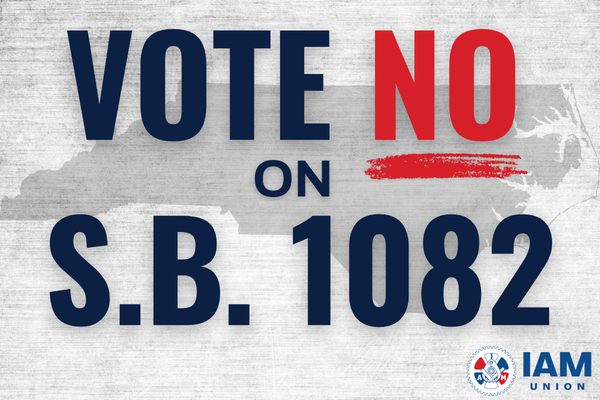
IAM Union Urges North Carolina House to Reject Anti-Worker ‘Right-to-Work’ Constitutional Amendment
The Battle for the American Worker: The Future of Labor Rights and “Right-to-Work” Laws
For decades, the term “right-to-work” has been one of the most polarizing phrases in American labor politics. While it sounds like a guarantee of employment, the reality is far more complex. We are currently witnessing a pivotal shift in how these laws are implemented, moving from simple state statutes to permanent constitutional amendments.
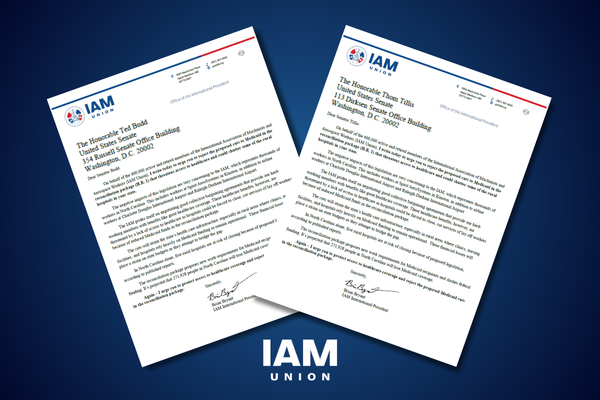
This shift isn’t just about legal jargon; it’s a strategic move to insulate anti-union legislation from future political swings. When a labor law is moved into a state constitution, it becomes significantly harder to repeal, effectively locking in a specific economic model for generations.
The Constitutionalization Trend: A New Legal Frontier
The move to enshrine “right-to-work” provisions in state constitutions represents a new phase of labor warfare. Historically, these laws were passed by legislatures and could be overturned by a subsequent administration or a change in party control. By moving these laws into the constitution, proponents are attempting to create a “permanent” barrier to collective bargaining.
This trend suggests a future where labor rights are no longer subject to the democratic will of the current electorate but are instead frozen in time. For workers in sectors like aerospace and transport, this could mean a long-term decline in their leverage to negotiate for safer working conditions and fair pay.
The “Michigan Effect” and the Potential for Repeal
While some states are doubling down on anti-union measures, others are moving in the opposite direction. The recent repeal of right-to-work laws in Michigan serves as a critical case study. Michigan’s move demonstrated that there is a growing appetite among voters to return to a system that strengthens collective bargaining.

This creates a fragmented economic landscape. We are seeing a “tug-of-war” between states that view low-union density as a competitive advantage to attract corporations and states that believe higher wages and stronger protections create a more stable, productive middle class.
Analyzing the Economic Impact: Wages, Safety, and Stability
The debate over these laws is often framed as “freedom of choice,” but the data suggests a more tangible economic cost. According to research from the Economic Policy Institute (EPI), there is a consistent correlation between right-to-work laws and lower average wages.
The logic is straightforward: when unions are weakened, their ability to negotiate “pattern settlements” (which raise the floor for all workers in an industry) diminishes. This doesn’t just affect union members; it often drags down wages for non-union workers in the same region as well.
Beyond the Paycheck: The Safety Gap
One of the most overlooked trends in the labor debate is workplace safety. Data indicates that states with right-to-work laws often experience higher workplace fatality rates. Unions provide a critical layer of oversight, empowering workers to report safety violations without fear of immediate retaliation.
As industries like advanced manufacturing and green energy expand, the need for rigorous safety standards becomes even more critical. The future of worker protection may depend entirely on whether the legal framework supports or suppresses collective voice.
The Rise of Gen Z and the New Wave of Unionization
Regardless of the legislation passed in state houses, a cultural shift is occurring. Younger generations—specifically Gen Z and Millennials—are viewing unions through a different lens than their parents did. We are seeing a surge in organizing efforts not just in traditional industrial sectors, but in service, tech, and retail.

This “bottom-up” pressure is creating a tension with “top-down” legislation. While state governments may try to limit union power through constitutional amendments, the organic demand for collective representation is rising. This suggests a future where labor conflicts may move from the legislative floor to more direct actions, such as strikes and grassroots organizing.
For more insights on how labor laws affect your industry, explore our latest analysis on labor market trends.
Frequently Asked Questions
What is a “right-to-work” law?
It is a state law that prohibits agreements between labor unions and employers that make union membership or the payment of union dues a condition of employment.
Do right-to-work laws actually help workers?
Proponents argue they protect individual freedom and attract business. However, economic data often shows they are associated with lower wages, fewer benefits, and higher workplace accident rates.
What is collective bargaining?
Collective bargaining is the process of negotiation between an employer and a group of employees (usually represented by a union) to determine wages, hours, and other conditions of employment.
Why put these laws in a state constitution?
Adding a law to the constitution makes it much harder to change or repeal, as it usually requires a public vote or a supermajority in the legislature, rather than a simple majority vote.
What do you think? Does the “right-to-work” framework protect worker freedom, or does it undermine the middle class? We want to hear your experiences. Leave a comment below or subscribe to our newsletter for more deep dives into the laws shaping your livelihood.