
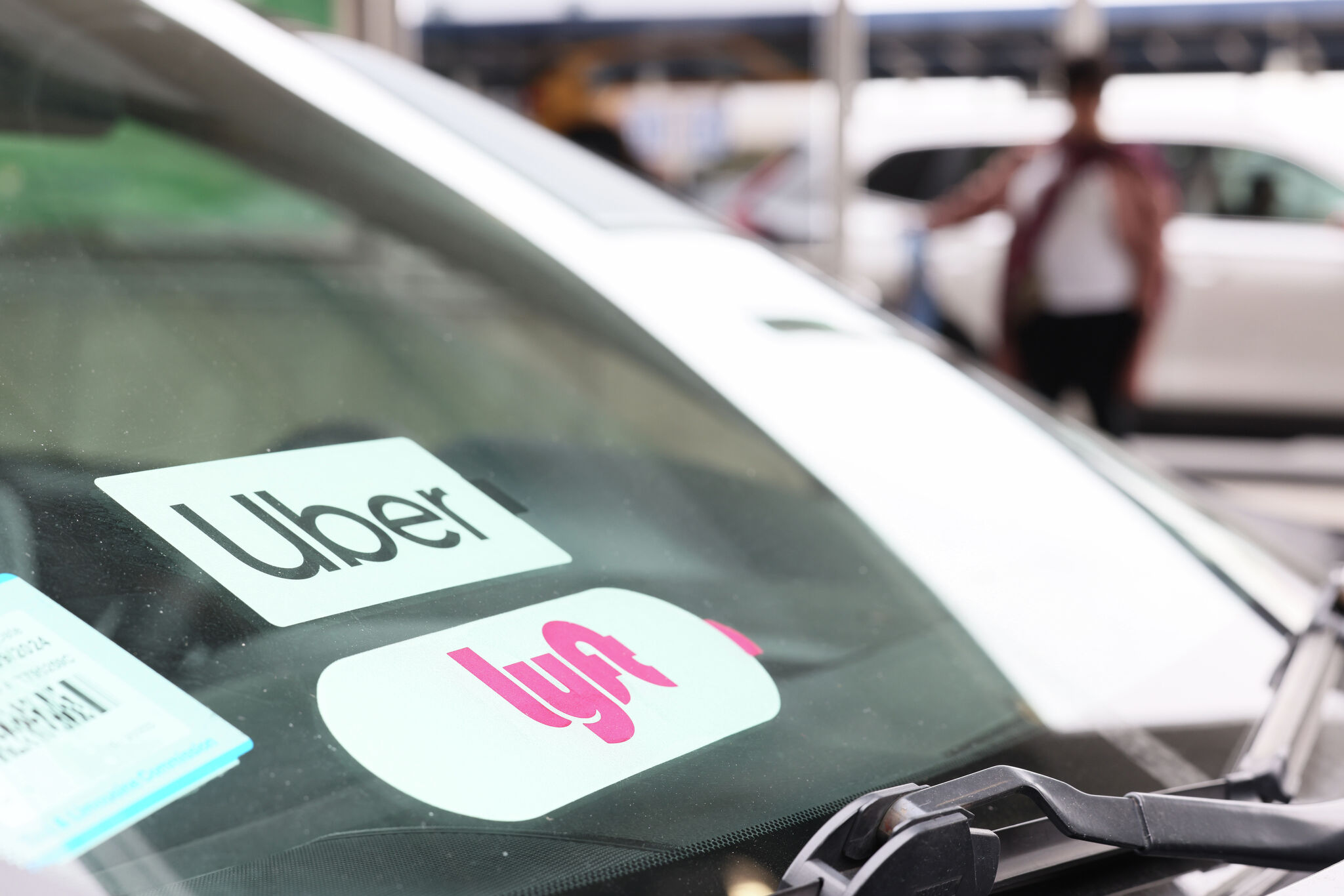
Illinois Passes Bill Allowing Uber and Lyft Drivers to Unionize
Rideshare drivers for companies such as Uber and Lyft may soon have the legal right to unionize in Illinois. The state House and Senate have passed a bill that establishes a framework for collective bargaining within the industry.
The legislation, known as the Transportation Network Driver labour Relations Act (House Bill 5090), is now awaiting the signature of Governor JB Pritzker to become law.
Expanding Worker Rights in the Gig Economy
House Bill 5090 is designed to provide transportation network drivers the ability to self-organize and designate their own representatives. This would allow drivers to engage in an industrywide bargaining process.
The primary goal of the act is to enable drivers to negotiate for sustainable wages, benefits, and improved working conditions. Rep. Yolanda Morris, a Chicago-based representative and House chief co-sponsor, stated that the bill aims to provide a “clear, transparent process for addressing workplace concerns.”
Legislative Path and Advocacy
The bill was originally introduced on Feb. 4 by Rep. Rick Ryan, who represents Illinois’ 36th House District in the Chicago suburbs. After the Senate returned the proposal with amendments, Rep. Morris filed the motions to concur, moving the bill toward its final passing vote.
Strong support for the measure came from the Illinois Drivers Alliance. This coalition is backed by the Service Employees International Union Local 1 and the International Association of Machinists and Aerospace Workers (IAM) Local 701.
Broader labour Context
The push for unionization comes amid a climate of active labour disputes. For example, IAM workers in the St. Louis region across both Illinois and Missouri were on strike against Boeing for three months in 2025, spanning from early August through mid-November.
Potential Next Steps
The future of the act now depends on the executive branch. If Gov. JB Pritzker signs the bill, rideshare drivers in Illinois could begin the process of organizing and designating representatives.
Once active, the legislation may lead to the first industrywide bargaining sessions for app-based drivers in the state. This could potentially result in new agreements regarding driver pay and workplace protections.
Frequently Asked Questions
What is the purpose of the Transportation Network Driver labour Relations Act?
The act, filed as Illinois House Bill 5090, seeks to give rideshare drivers the opportunity to self-organize, choose their own representatives, and bargain collectively for sustainable wages, benefits, and working conditions.
Who supported the passage of House Bill 5090?
The bill had 44 Democratic sponsors and strong backing from the Illinois Drivers Alliance, which is supported by the International Association of Machinists and Aerospace Workers Local 701 and Service Employees International Union Local 1.
What must happen before the bill becomes law?
Since the bill has already passed both the Illinois House and Senate, it now requires the signature of Governor JB Pritzker.
Do you believe collective bargaining will significantly change the experience of rideshare drivers in the United States?