

Immune Overlap Between AA and AD: New Treatment Approaches
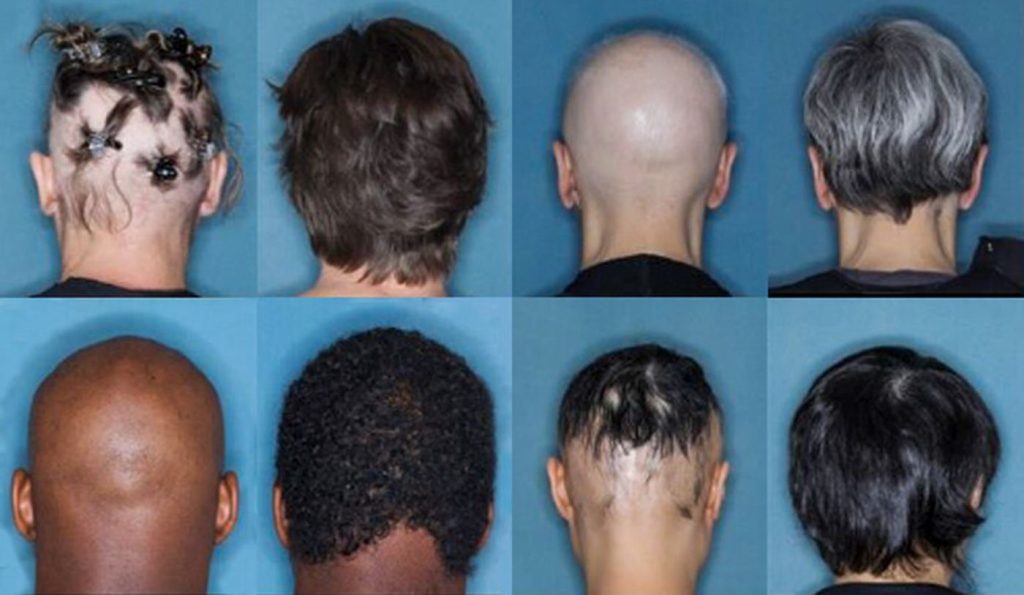
Alopecia areata (AA) and atopic dermatitis (AD)—two seemingly distinct autoimmune conditions—share deeper immune system connections than previously understood, opening new avenues for treatment. Recent research has uncovered overlapping immune pathways between the two disorders, suggesting that therapies developed for one could potentially benefit the other. This convergence is not just a scientific curiosity. it may reshape how doctors approach diagnosis, management and long-term care for patients with either condition.
Shared Immune Pathways: The Science Behind the Link
AA, an autoimmune disorder characterized by patchy hair loss, and AD, commonly known as eczema, have long been studied separately. However, emerging evidence reveals that both conditions feature similar immune signatures, including eczema-like inflammatory responses. Key players in this overlap include T cells and their associated cytokines, as well as signaling pathways that drive inflammation in both disorders. These shared mechanisms could explain why some patients experience both conditions simultaneously or why treatments targeting one sometimes influence the other.

The discovery also highlights the role of JAK (Janus kinase) inhibitors and OX40 pathway modulators as potential dual-use therapies. While JAK inhibitors are already approved for AD, their efficacy in AA suggests a broader therapeutic window. Similarly, targeting the OX40 receptor—a protein involved in T-cell activation—could offer a unified approach for patients with overlapping or comorbid conditions.
Why This Matters: Implications for Patients and Doctors
For patients, this overlap could mean fewer trials of ineffective treatments. If a therapy works for one condition, it may also address the other, reducing the need for multiple medications with differing side effects. For clinicians, it suggests a more personalized approach—one that considers the broader immune profile of a patient rather than treating symptoms in isolation.
The implications extend to disease stratification. Current guidelines for AD, last updated in 2012, may soon need revisiting to incorporate these new findings. A multidisciplinary approach—combining dermatologists, immunologists, and allergists—could become standard, ensuring that patients receive comprehensive care tailored to their unique immune signatures.
What’s Next? Possible Directions in Research and Treatment
Clinical trials may soon explore whether existing AD therapies—particularly JAK inhibitors—can be repurposed for AA. If successful, this could accelerate approvals and expand treatment options for patients with limited alternatives. Researchers may also investigate microbiome-targeting biologics and next-generation immune modulators, which could offer more precise control over the shared inflammatory pathways.
A possible next step is the development of combination therapies that simultaneously address multiple immune targets. For example, drugs that inhibit both JAK pathways and OX40 signaling could provide broader relief for patients with overlapping conditions. However, such approaches will require rigorous testing to ensure safety and efficacy.
Frequently Asked Questions
Can treatments for atopic dermatitis (AD) help with alopecia areata (AA)?
Recent research suggests that some AD therapies, particularly JAK inhibitors, may also benefit AA due to shared immune pathways. However, further clinical trials are needed to confirm their effectiveness for hair loss conditions.
Why do AA and AD share immune similarities?
Both conditions involve dysfunctional T-cell responses and cytokine activity, leading to similar inflammatory signatures. This overlap explains why some patients experience both disorders and why certain treatments may influence both.
Will this change how doctors treat these conditions?
Yes, it could lead to more personalized and unified treatment strategies. Doctors may increasingly consider a patient’s broader immune profile when prescribing therapies, potentially reducing trial-and-error approaches.
As research advances, could you imagine a future where a single therapy could address multiple autoimmune skin conditions? Share your thoughts in the comments.