
Impact of Federal DEI Cuts on Racial Health Disparities
More than a year has passed since President Trump signed executive orders eliminating federal diversity, equity, inclusion, and accessibility (DEIA) programs. These actions have fundamentally reshaped policies across federal agencies, research institutions, and education.
The administration has implemented workforce reshaping initiatives, including hiring freezes, early retirement incentives, and the Deferred Resignation Program. These measures have led to significant declines in the federal workforce, reducing the resources available to address health disparities.
While some actions have been modified or halted by court rulings, the administration continues to remove staff, funding, and data collection activities tied to diversity and equity. This shift may have broad implications for how the U.S. Monitors and addresses inequities in health care.
Federal Staffing and Program Reductions
Since January 2025, more than 420,000 people have separated from the federal workforce as of May 14, 2026. The Department of Health and Human Services (HHS) has seen staffing losses exceeding 20,000 employees.
At the Centers for Disease Control and Prevention (CDC), an estimated 15% of the workforce—roughly 3,000 employees—have departed. These reductions have left key programs understaffed or unable to maintain core functions.
Layoffs within the CDC’s Division of Reproductive Health in late March and early April reduced that workforce by about two-thirds. This disrupted programs focused on maternal and infant health, including the elimination of the Pregnancy Risk Assessment Monitoring System (PRAMS).
the HHS Office of Climate Change and Health Equity was removed from the agency’s website, with staff reportedly placed on administrative leave. The CDC’s Environmental Public Health Tracking Program was also eliminated, potentially limiting the ability to monitor environmental health disparities in low-income communities.
Impacts on Medical Research and Grants
Federal agencies have reduced funding for research initiatives with DEI-related goals. Grant review processes were revised to flag or exclude applications containing terms such as “race,” “equity,” or “discrimination.”
By late June 2025, more than 2,300 National Institute of Health (NIH) grants were terminated, with nearly 1,100 remaining terminated as of May 4, 2026. The National Institute of Minority Health and Health Disparities suffered the largest share of funding and grant losses.
Research indicates these terminations disproportionately impacted Black, Hispanic, Asian, and American Indian or Alaskan Native (AIAN) researchers. 160 NIH-funded clinical trials were affected, with 57% involving racial and ethnic minority populations.
HIV research has been severely impacted, with at least 145 NIH-funded grants totaling nearly $450 million terminated in early 2025. These included studies on HIV prevention and access to pre-exposure prophylaxis (PrEP).
Data Loss and Public Information
The suspension of national surveys has limited the availability of population-level data. The National Survey on Drug Use and Health (NSDUH) was halted, and the status of the National Youth Tobacco Survey (NYTS) and the National Intimate Partner and Sexual Violence Survey remains unclear.

Many data systems have removed or modified questions regarding gender identity, sexual orientation, race, and ethnicity. This reduces the capacity to measure differences in health outcomes across various populations.
Climate-related resources have also been affected. Official government websites no longer host national climate assessments, including a 2023 report that found climate change disproportionately affects the security and health of people of color and Indigenous populations.
Education and the Future Health Workforce
The Department of Education previously issued a “Dear Colleague” letter directing schools to stop using “racial preferences” in admissions. This followed a 2023 Supreme Court decision that ended race-conscious admissions.
These shifts have contributed to declines in the number of Black, Hispanic, and AIAN students entering medical school. This trend may exacerbate existing representation gaps in the physician workforce.
KFF analysis highlights that Hispanic people comprise 20% of the U.S. Population but only 7% of the physician workforce. Immigration restrictions may further affect fields that rely on internationally trained professionals.
Congressional and Legal Pushback
Some cuts have been mitigated through the FY 2026 appropriations process. Congress provided HHS with approximately $116 billion—$33 billion more than the administration’s budget request.
The Substance Abuse and Mental Health Services Administration (SAMHSA) was maintained as an independent agency with a funding increase of $65 million, bringing its total to approximately $7.4 billion.
Congress also maintained CDC funding at approximately $9.2 billion, rejecting a proposed 50% reduction. Funding was also preserved for the Teen Pregnancy Prevention Program and Title X.
Legal challenges have further limited some actions. Federal courts blocked the Department of Education’s “Dear Colleague” guidance, which the Department later withdrew. Court rulings have also delayed certain reductions in force during agency restructuring.
What May Happen Next
The landscape of federal health research could shift further if a proposed rule from the Office of Management and Budget (OMB) is finalized. This rule may increase political review of awards to ensure alignment with presidential priorities.
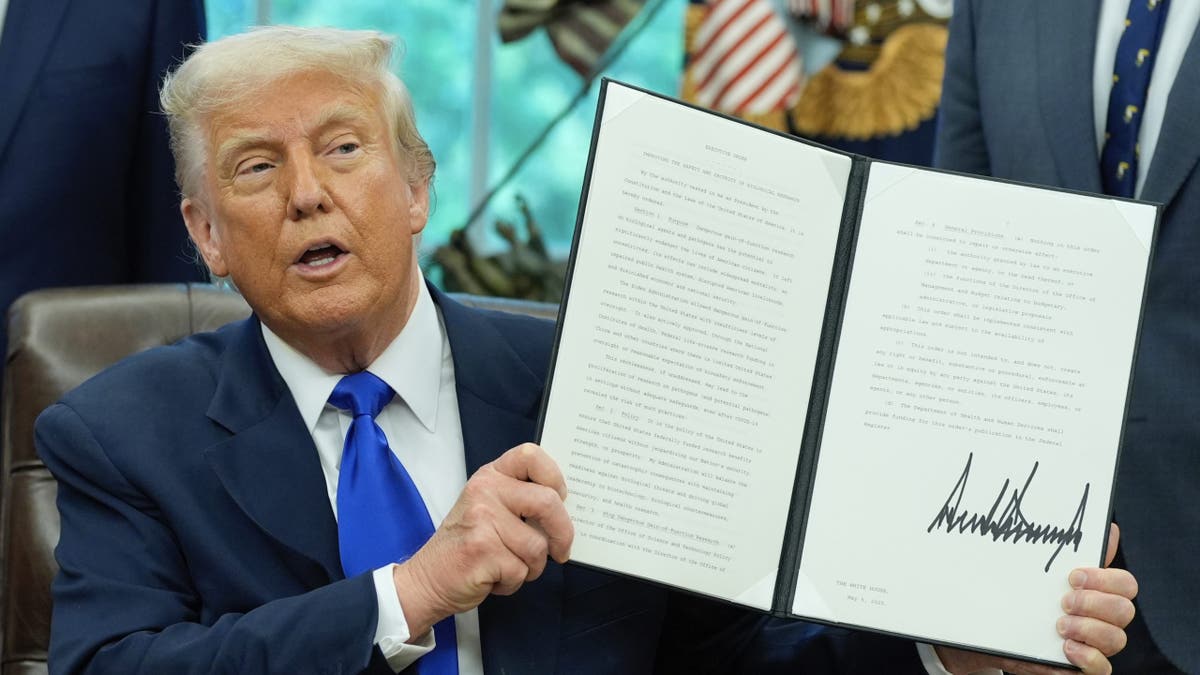
If implemented, this could expand the authority of agencies to terminate awards deemed inconsistent with the administration’s interpretation of civil rights laws. The long-term effects of these policies may continue to evolve as litigation and congressional oversight proceed.
Frequently Asked Questions
How many NIH grants were terminated due to these initiatives?
More than 2,300 NIH grants were terminated by late June 2025, with nearly 1,100 still terminated as of May 4, 2026.
What happened to the federal workforce at HHS and the CDC?
HHS lost over 20,000 employees since January 2025, while the CDC saw a departure of approximately 15% of its workforce, or about 3,000 employees.
Did Congress approve the administration’s proposed budget cuts for health agencies?
No, Congress rejected many proposed reductions in the FY 2026 process, providing HHS with $33 billion more than requested and maintaining CDC funding at approximately $9.2 billion.
How do you think the reduction in federal health data collection will impact community-level healthcare?