
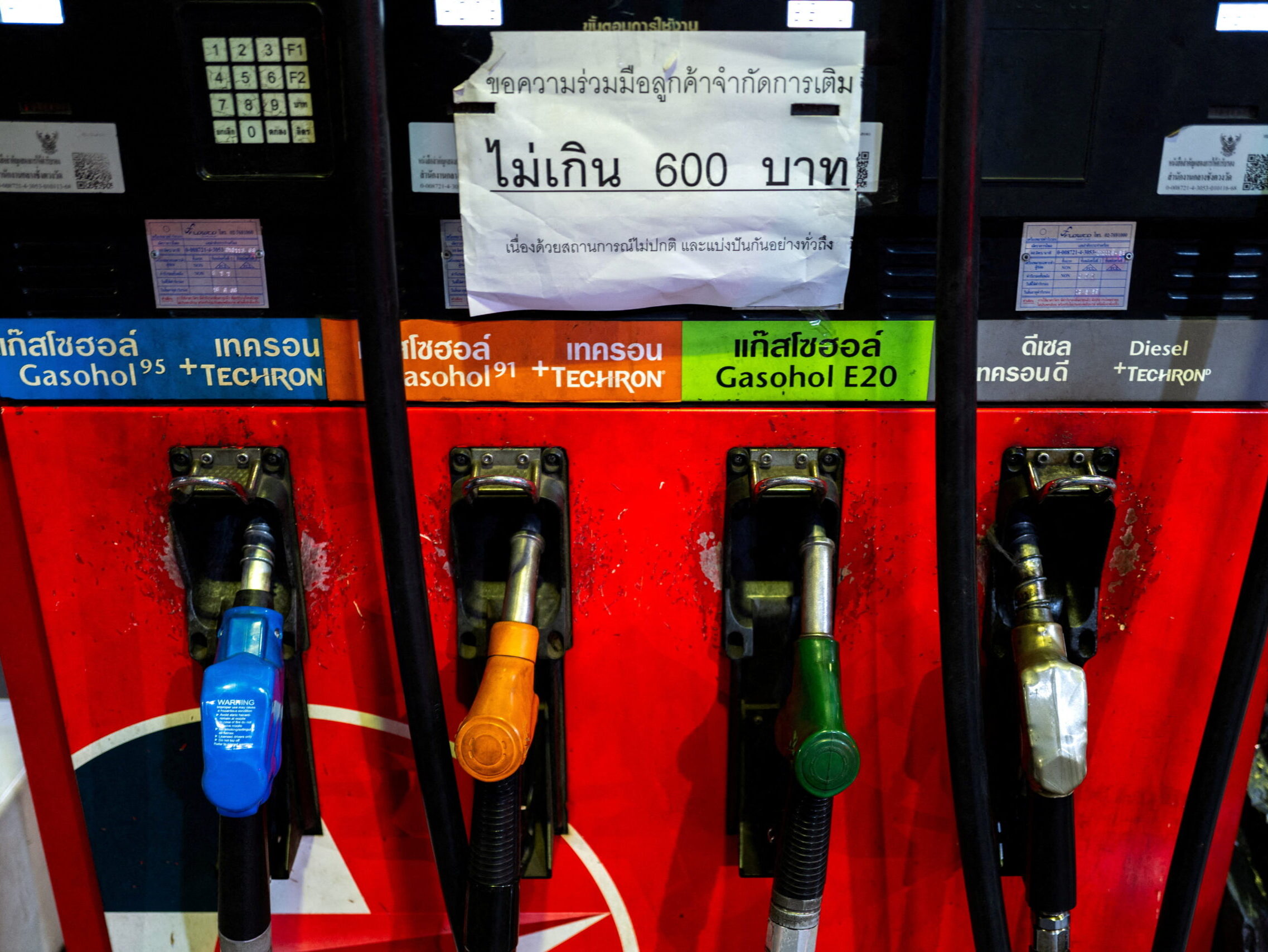
Impact of Gulf Energy Disruptions on Asian Emerging Economies
The global energy system is currently grappling with a significant disruption to traffic from the Gulf, exposing the vulnerabilities of one of the world’s most critical chokepoints.
Roughly 20 percent of global oil and a similar share of liquefied natural gas (LNG) trade pass through this strait. This concentration makes the region a primary focal point for energy security concerns.
The Asian Energy Stress Test
The impact of this crisis is heavily concentrated in Asia. According to the International Energy Agency (IEA), nearly 90 percent of the oil and LNG moving through the strait ultimately serve Asian markets.
For emerging economies in the region, this shock serves as a concentrated stress test. These nations are now forced to navigate difficult trade-offs between energy security, affordability, and macroeconomic stability.
Beyond Market Benchmarks
While global benchmarks like Brent crude provide some insight, they do not capture the full scope of the crisis for emerging markets.
The real pressures are found in physical cargo availability, rising freight costs, and increased insurance premiums. These factors are further complicated by substitution constraints.
Domestic vulnerabilities, including limited fiscal space and a reliance on imported fuels for power systems, vary by country and intensify the impact.
Outlook and Future Risks
The trajectory of the crisis may depend on the duration and the specific form of the disruption going forward.
Current views suggest that hopes for early stabilization are “optimistic.” The situation could lead to continued volatility depending on how adept and timely policy responses are implemented.
Frequently Asked Questions
How much of the global energy trade is affected?
Roughly 20 percent of global oil and a similar share of liquefied natural gas (LNG) trade pass through the strait.
Which region is most exposed to this disruption?
Asia is the most exposed, with nearly 90 percent of the oil and LNG moving through the strait serving Asian markets.
What factors beyond oil prices are impacting emerging markets?
Emerging markets are facing challenges involving physical cargo availability, freight costs, insurance premiums, and substitution constraints.
How should emerging economies balance energy security with macroeconomic stability during global supply shocks?