

Impact of Telepharmacy on Long-term Health Conditions
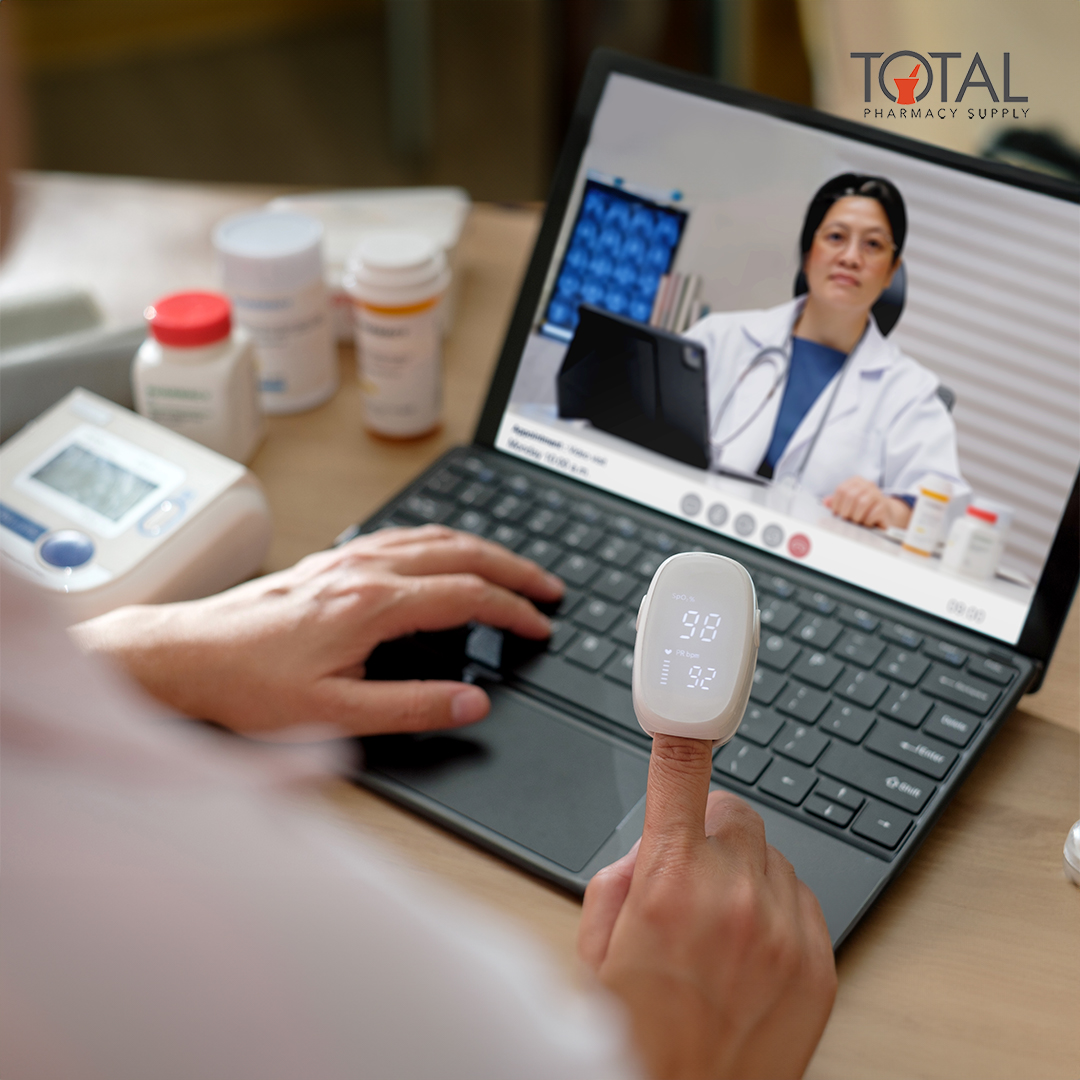
In a review of 21 studies involving 5,440 participants, telepharmacy—defined as pharmacy services delivered via phone, video, or apps—was associated with improved medication adherence and reduced systolic and diastolic blood pressure among people with long-term health conditions, according to a 2025 analysis. However, the approach showed little to no impact on blood sugar control (HbA1c levels) and limited evidence on patient satisfaction or safety outcomes.
What Happened
Telepharmacy, which includes medication guidance, health monitoring, and problem detection, was found to potentially improve how well patients follow prescribed medication regimens (10 studies, 2,978 people). It also showed a possible reduction in both systolic and diastolic blood pressure (5 studies, 1,254 people). However, the evidence on patient satisfaction with care remained “very uncertain” (3 studies, 422 people), and no studies tracked deaths or adverse effects linked to telepharmacy. Findings on medicine-related issues like side effects varied, as some studies aimed to identify problems while others focused on reducing harm.
Why It Matters
The findings highlight telepharmacy’s potential to address barriers to care, particularly for individuals in remote areas or with mobility challenges. By enabling pharmacist-led support without in-person visits, it could ease strain on healthcare systems. However, the lack of consistent data on long-term outcomes, such as quality of life or healthcare costs, underscores the need for more rigorous research. The review also notes that telepharmacy interventions differed widely in structure and frequency, complicating comparisons across studies.
What May Happen Next
Future research could clarify telepharmacy’s role in managing chronic conditions, particularly as digital health tools expand. If proven effective, telepharmacy might become a standard component of care for patients with diabetes, hypertension, or asthma. However, without clearer evidence on safety and cost-effectiveness, widespread adoption may remain limited. Policymakers and healthcare providers may prioritize studies that standardize telepharmacy protocols and track long-term patient outcomes.
Frequently Asked Questions
What conditions were studied? The review focused on long-term health conditions such as diabetes, high blood pressure, asthma, and heart disease.
How was telepharmacy delivered? Interventions included phone calls, video consultations, mobile apps, and other electronic communication to support medication management.
What were the main limitations? Many studies had small sample sizes, varied in design, and lacked data on long-term safety or cost-effectiveness.
Could telepharmacy become a routine part of chronic disease management, or will its adoption depend on further evidence of safety and cost savings?