
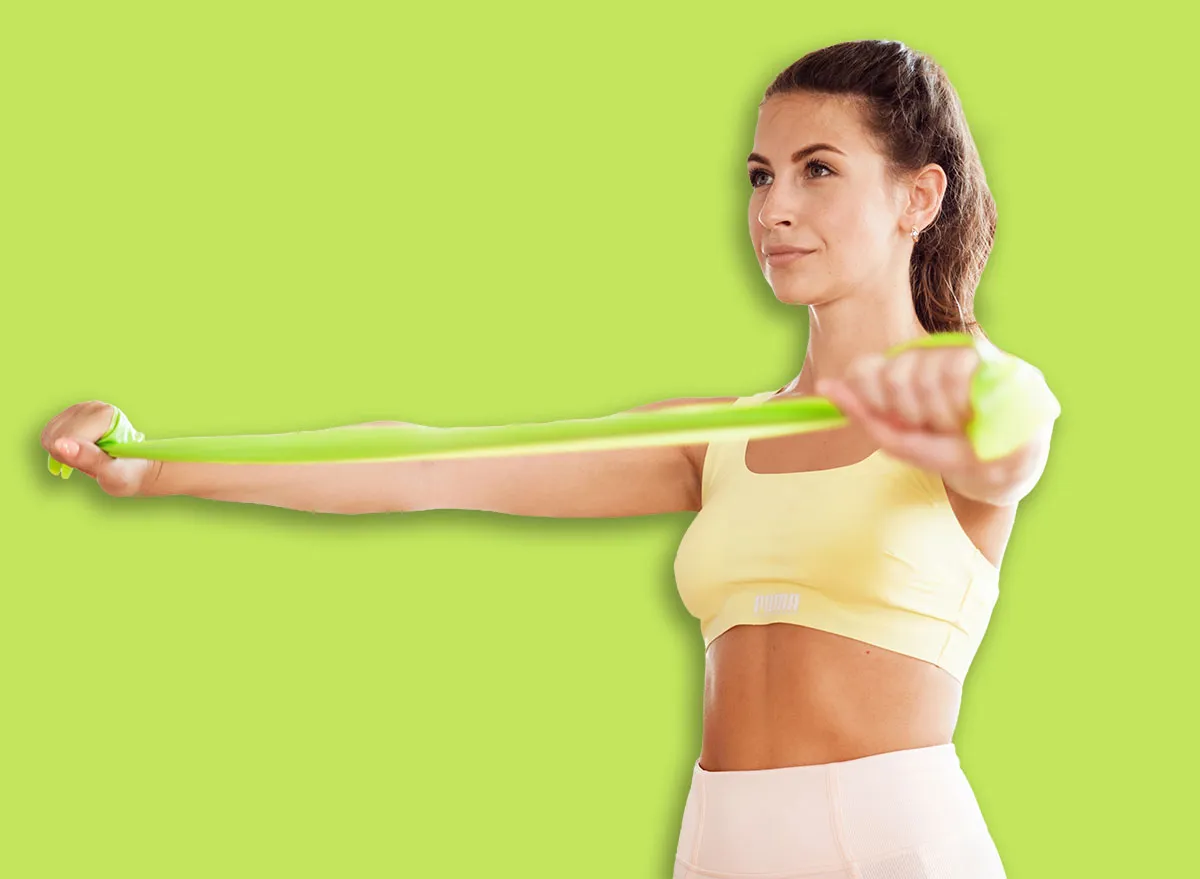
Improving Posture and Strengthening Your Upper Back After 60: 4 Essential Standing Exercises
Four standing exercises targeting the upper back and posture are recommended for adults over 60 to improve musculoskeletal support and daily functional strength, according to a 2023 study on posture correction. These movements focus on strengthening muscles involved in maintaining an upright position, including the upper back, shoulders, and core.
What are the key exercises for improving posture after 60?
The four standing exercises outlined include standing band rows, band pull-aparts, farmer carries, and wall angels. Each targets specific muscle groups to enhance posture stability. For example, standing band rows engage the upper back, lats, and core, while wall angels use a wall for alignment feedback to improve shoulder and mid-back control.
According to a 2015 study on posture correction programs, strengthening these muscle groups reduces musculoskeletal pain and improves body awareness. The exercises are designed to be performed with resistance bands or light weights, emphasizing controlled movements and core engagement.
Why do these exercises matter for older adults?
Posture deterioration in older adults often leads to increased strain on the spine and reduced mobility. Strengthening the upper back and shoulders helps counteract this by providing structural support during daily activities like carrying objects or walking. A 2023 behavioral study found that practicing correct posture in urban populations correlates with better physical function and reduced injury risk.
The exercises also emphasize practicality. For instance, farmer carries train the body to maintain an upright position under load, a skill directly applicable to tasks such as grocery shopping or yard work. This functional approach ensures that strength gains translate to real-world benefits.
What may happen next with these exercises?
As older adults incorporate these exercises into their routines, they may experience improved spinal alignment and reduced discomfort over time. However, individual results depend on consistency and proper form. A possible next step is to consult a physical therapist for personalized modifications, especially for those with pre-existing conditions.
Future research could explore long-term adherence rates to these exercises in diverse populations. Analysts suggest that community-based programs integrating these movements might enhance accessibility and effectiveness for broader demographics.
Frequently Asked Questions
What muscles do standing band rows target? Standing band rows train the upper back, lats, rear delts, biceps, and core to improve shoulder support and posture.
How long should each exercise session last? Each session includes 3 sets of exercises, with rest periods between sets. For example, farmer carries require 30 to 45 seconds per carry, with 60 seconds of rest between sessions.
Can these exercises be done without equipment? While resistance bands and dumbbells are recommended, variations like seated wall angels or bodyweight rows can be adapted for home use with minimal equipment.
How might these exercises impact long-term mobility for older adults?