
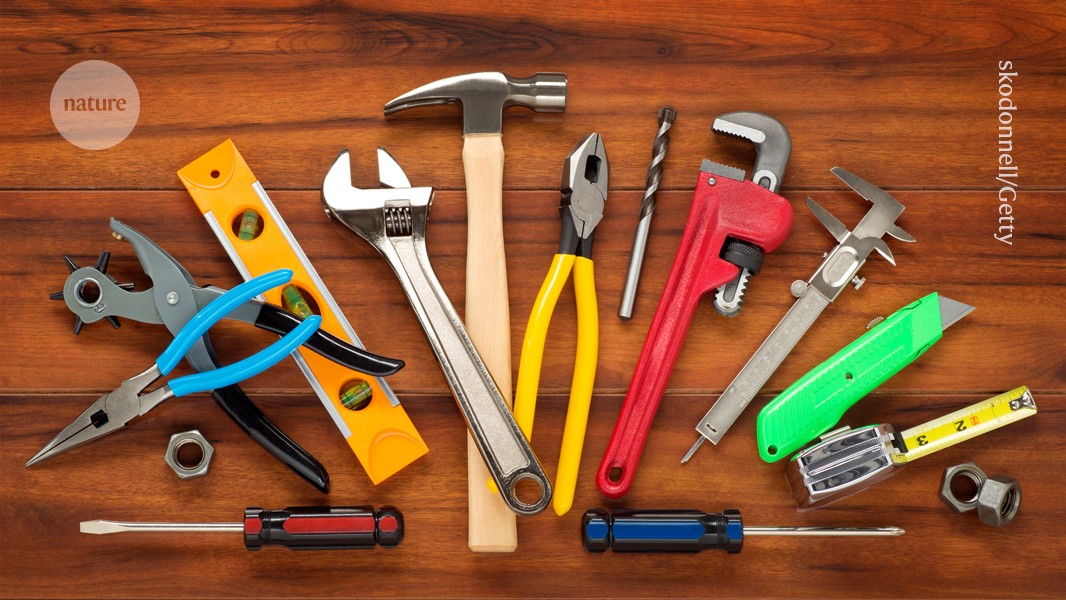
In the field – and sometimes in the lab – the simplest tool is best
Field researchers are increasingly bypassing high-cost, specialized scientific equipment in favor of household items and low-tech improvisations to solve complex data collection challenges. According to David Thomas, an Arctic researcher at the University of Helsinki, repurposing common tools like kitchen ladles and strainers provides a robust, cost-effective, and portable alternative to expensive proprietary gear in remote environments.
Why are scientists turning to DIY field kits?
The primary driver for the DIY movement in science is the need for immediate, rugged solutions in environments where specialized equipment often fails. David Thomas reports that while standard syringes clog or break in −40 °C Arctic conditions, a simple soup ladle attached to a pole effectively collects brine samples from deep ice holes. Similarly, Kristina Young, an ecologist at the University of Wisconsin–Madison, uses a jeweler’s chain to measure soil roughness across dryland ecosystems. These methods prioritize accessibility and portability over the potential precision of high-end, electronic sensors, which are often difficult to transport or repair in the field.
Kites, specifically the six-sided Japanese rokkaku dako design, are being used by researchers to carry meteorological equipment and cameras for hours at a time. Unlike drones, which are limited by short battery life and strict flight regulations, these kites can remain aloft indefinitely, according to Saša Iskrić of the non-profit group KAP Jasa.
How does DIY equipment improve scientific reproducibility?
Standardized, low-tech tools can actually enhance collaboration by ensuring that researchers in different parts of the world use identical, easily obtainable protocols. Kristina Young notes that the CrustNet project relies on simple, low-cost metrics—like the chain method for soil erosion—to facilitate a global study. Because the tools are cheap and widely available, researchers in diverse geographic regions can participate without needing to source proprietary, expensive, or restricted hardware. This approach contrasts with the use of drones, which may be legally prohibited in national parks or archaeological sites, thereby limiting the scope and reproducibility of a study.
What are the trade-offs between drones and manual tools?
While modern technology like drones offers superior precision, it introduces significant logistical hurdles that manual tools avoid. Researchers must navigate complex permitting processes for drone flights, which can be impossible in certain countries or sensitive heritage sites. Furthermore, according to Saša Iskrić, drones face severe limitations in flight duration due to battery depletion, especially when carrying payloads. Conversely, the “spirit of improvisation”—a phrase used by David Thomas to describe essential field skills—allows scientists to maintain momentum when equipment inevitably breaks in isolated, remote regions.

Comparison: Modern Tech vs. Low-Tech Improvisation
| Feature | Drones / High-Tech | Low-Tech / DIY |
|---|---|---|
| Cost | High | Low |
| Portability | Moderate | High |
| Regulatory Barriers | High | Minimal |
When planning a remote expedition, prioritize “universal” repair items. Researchers frequently cite zip ties and duct tape as the most reliable, on-the-fly fixes for field equipment failures.

Frequently Asked Questions
Are DIY tools less accurate than laboratory-grade equipment?
While often less precise, DIY tools like jewelry chains or ladles provide estimates that are sufficient for many ecological and biogeochemical studies, particularly when high-tech alternatives are inaccessible.
Why do researchers prefer kites over drones for aerial surveys?
Kites can remain aloft for hours, whereas drones are limited by battery life. Additionally, kites are permitted in many urban and protected areas where drone flights are strictly regulated.
Can anyone use these DIY methods for research?
Yes. The trend toward low-tech science is specifically designed to be accessible. Projects like CrustNet use shared protocols that allow researchers globally to contribute data using simple, repeatable methods.
Have you ever had to improvise a solution in the field? Share your stories in the comments below or subscribe to our newsletter for more insights into the future of scientific methodology.