
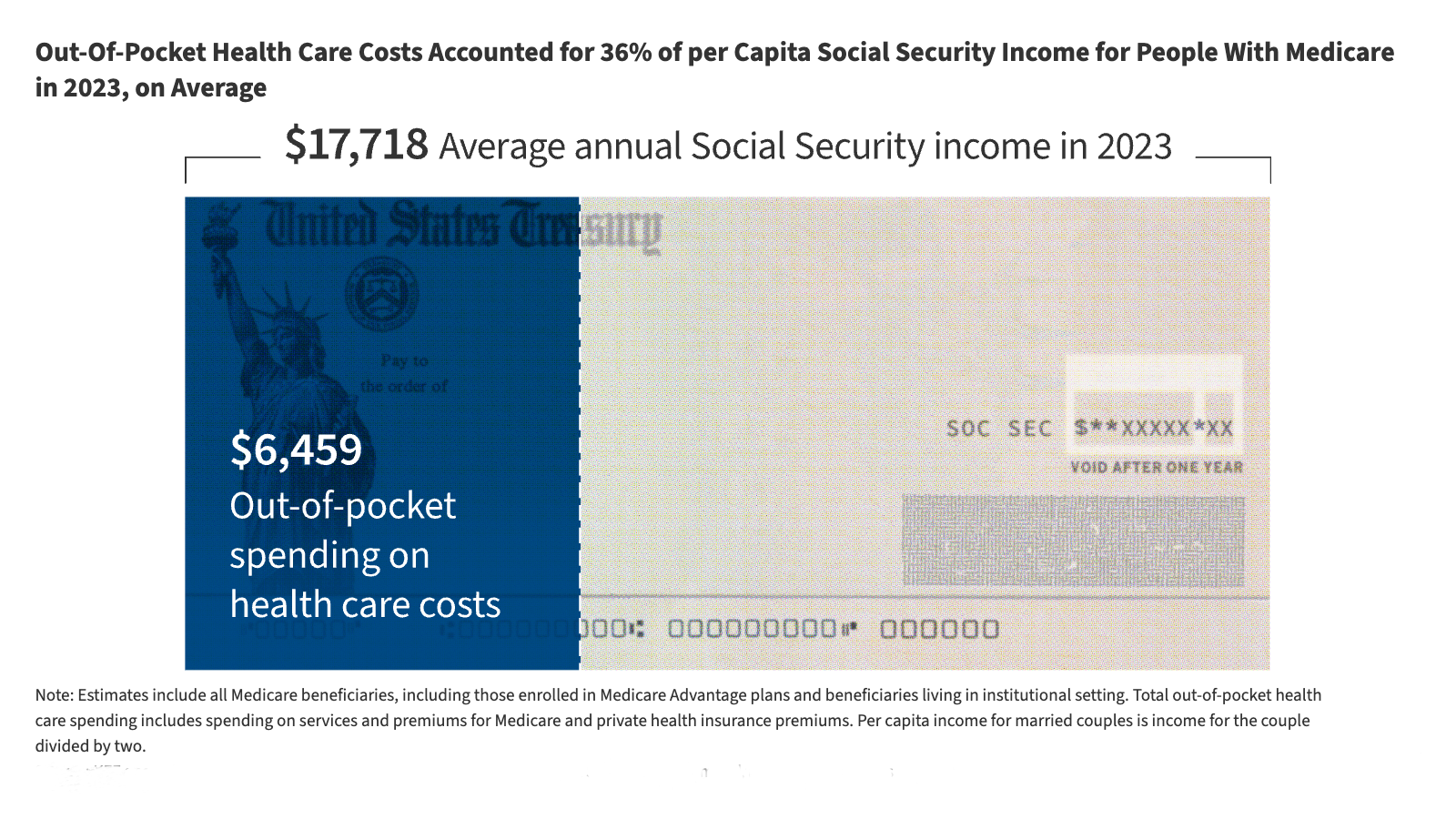
Income and Health Care Costs for Medicare Beneficiaries
Recent financial analyses provide a detailed look at the economic pressures facing Medicare beneficiaries, highlighting a complex intersection of fixed incomes and rising health care costs. By examining spending patterns and income sources, these data sets reveal how out-of-pocket expenses and premiums impact the daily lives of millions.
Understanding Income and Premium Burdens
Research utilizing the Urban Institute’s Dynamic Simulation of Income Model (DYNASIM4) tracks the financial stability of beneficiaries. This includes identifying the share of individuals who rely on Social Security for 75% or 90% or more of their total per capita income.
The data also highlights the specific burden of Part B premiums. Analysts have focused on the number of Medicare beneficiaries who must spend more than 10% of their annual per capita income to cover these costs.
Comparing Household Health Spending
To determine the financial weight of health care, the 2024 Consumer Expenditure Survey compares “Medicare households,” where all members are covered, against “non-Medicare households.” These findings provide a demographic look at how health spending differs across household types.
Complementing this is data from the Centers for Medicare & Medicaid Services (CMS) 2023 Cost Supplement File. This source provides critical details on out-of-pocket health care spending and how it relates to average per capita Social Security income.
Tracking Long-Term Cost Trends
Beyond basic premiums, Medigap premium estimates are derived from 2023 Medicare Supplement Market Data via the Mark Farrah Associates Health Coverage Portal. This helps illustrate the additional costs beneficiaries incur to supplement their primary coverage.
the 2025 Annual Report of the Boards of Trustees of the Federal Hospital Insurance and Federal Supplementary Medical Insurance Trust Funds provides a historical and current view of annual premiums, deductibles, and other cost-sharing requirements.
Potential Future Developments
As cost-sharing trends continue to evolve, future reports may show an increase in the number of beneficiaries relying more heavily on Social Security to cover basic health costs. This could lead to a possible shift in how supplementary insurance is utilized to mitigate out-of-pocket risks.

the ongoing tracking of premiums and deductibles is likely to inform future discussions regarding the affordability of Part B and other essential Medicare services.
Frequently Asked Questions
Which model is used to track Social Security reliance among beneficiaries?
The Urban Institute’s Dynamic Simulation of Income Model (DYNASIM4) is used to identify beneficiaries who rely on Social Security for 75% or 90% or more of their total per capita income.
How does the Consumer Expenditure Survey differ from the CMS survey?
The Consumer Expenditure Survey provides averages for demographic groups of “consumer units” (households) and excludes people in institutions. In contrast, the CMS Medicare Current Beneficiary Survey reports per capita estimates for out-of-pocket health care spending.
Where is the data for Medicare deductibles and premiums over time sourced?
This information is based on the 2025 Annual Report of the Boards of Trustees of the Federal Hospital Insurance and Federal Supplementary Medical Insurance Trust Funds.
How do you balance your monthly budget when faced with rising healthcare premiums?