
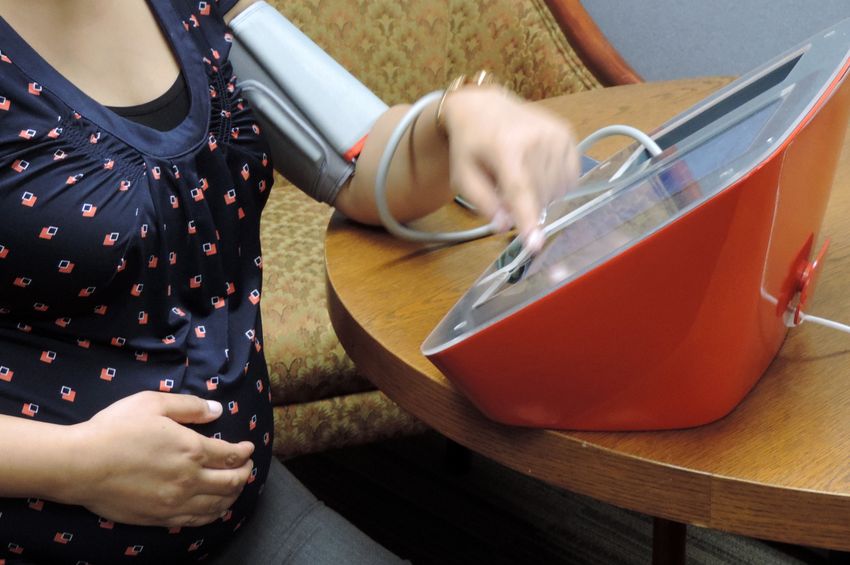
Increased awareness about heart failure symptoms during and after pregnancy is essential
Early detection of heart failure in pregnant and postpartum women is critical to preventing stroke and death, according to a June 24, 2026, American Heart Association scientific statement. The report highlights that heart disease is now a leading cause of pregnancy-related death in the U.S., often masked by common pregnancy symptoms.
The American Heart Association’s new scientific statement, “Heart Failure Occurring in the Perinatal Period,” was published in the journal Circulation. It emphasizes that prompt treatment and continued monitoring after delivery are essential to save lives.
Nearly 1 in 4 women aged 20-44 currently have some form of cardiovascular disease, according to a 2026 American Heart Association statement. Data from the U.S. Centers for Disease Control and Prevention’s Pregnancy Mortality Surveillance System confirms heart disease is a leading cause of pregnancy-related death in the U.S.
Why is heart failure often missed during pregnancy?
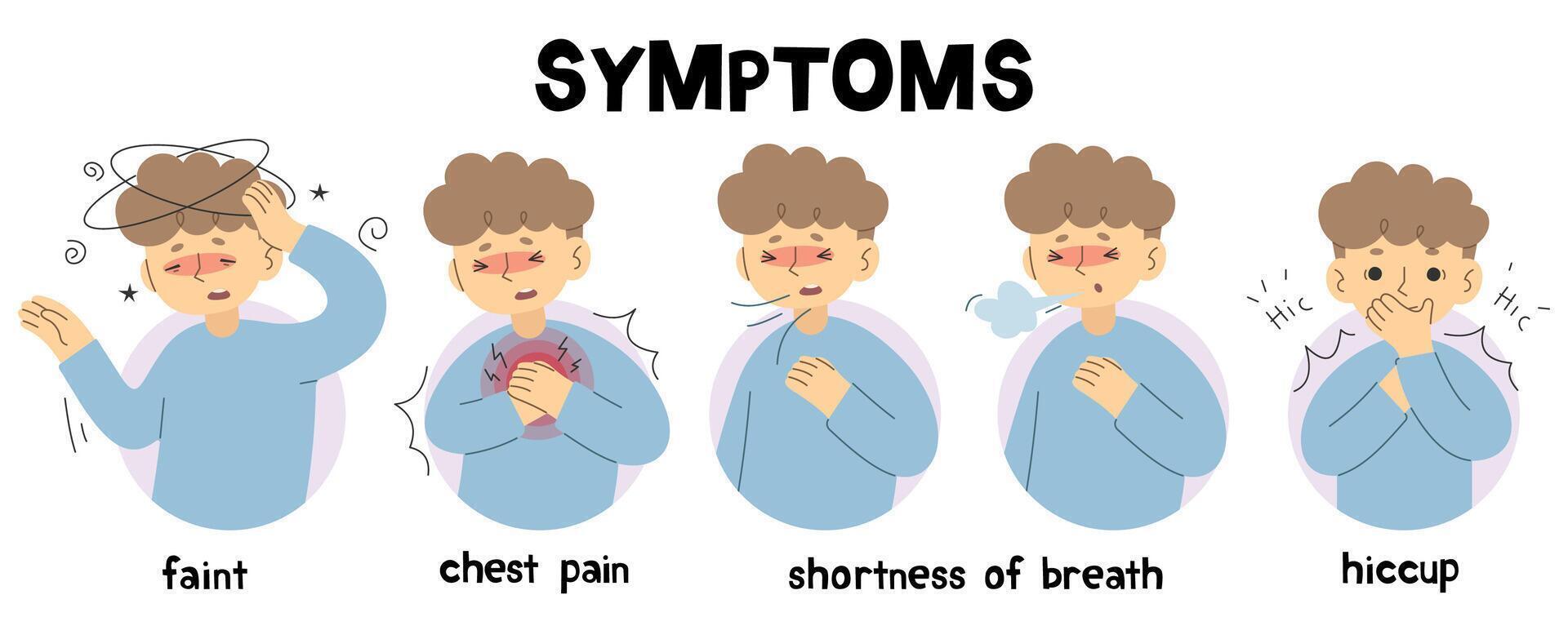
Symptoms of heart failure—including fatigue, shortness of breath, labored breathing, and swelling in the legs and feet—often mimic normal pregnancy changes. This similarity can delay diagnosis and treatment, which Demilade A. Adedinsewo, M.D., M.P.H., of the Mayo Clinic, says can lead to life-threatening consequences.

Some women develop peripartum cardiomyopathy (PPCM), a form of heart muscle failure that occurs late in pregnancy or months after delivery. Because these patients often report fluid retention, the condition can “hide in plain sight,” according to Dr. Adedinsewo.
Who is most at risk for perinatal heart failure?
Risk factors include high blood pressure, Type 2 diabetes, obesity, and metabolic syndrome. Perinatal-specific risks include older maternal age, multiple gestation, known genetic variants, and the use of assisted reproductive technology or tocolytic agents to suppress premature labor.
Among women with known heart disease, heart failure is the most common complication, affecting 11% during the perinatal period. Significant racial disparities exist in these outcomes.
- Black adults face a 19% higher risk of heart failure than white adults.
- Black and Native American women are diagnosed with PPCM more frequently than white women.
- Heart failure or abnormal cardiac function contributed to 14.5% of pregnancy-related deaths among American Indian/Alaska Native women and 14.2% among Black women.
What are the risks of delayed diagnosis?
Untreated heart failure can cause irregular heartbeats, stroke, and worsening cardiac function for the mother. It also increases the likelihood of caesarean delivery, postpartum hemorrhage, and poor mental health.
The fetus is also at risk. According to the statement, maternal heart failure increases the risk of restricted fetal growth, low birth weight, premature birth, stillbirth, or infant death within the first four weeks of life.
How is perinatal heart failure managed?
Clinicians use electrocardiograms (ECG), echocardiograms, and blood tests for cardiac biomarkers to distinguish heart failure from normal pregnancy changes. While there is no cure, the condition is managed through lifestyle changes and medications.
Beta blockers, diuretics, vasodilators, and anticoagulants are considered safe for use in pregnancy when appropriate. The American Heart Association recommends a multidisciplinary cardio-obstetrics team to stabilize maternal heart function and ensure adequate blood flow to the fetus.
Why is the first year after delivery critical?
The first year postpartum is a high-risk window for developing heart failure. Symptoms may appear days, weeks, or months after childbirth, meaning care must extend beyond the traditional six-week postpartum checkup.
The AHA suggests that referrals to cardiology or primary care, alongside telemedicine and remote monitoring, could improve outcomes. Additionally, hormonal intrauterine devices are the preferred contraception for these women; estrogen-containing methods are not recommended for moderate to severe heart failure due to thrombosis risks.
Improved access to care and standardized screening may help prevent serious complications in the future, according to Dr. Adedinsewo.
Frequently Asked Questions
What are the primary symptoms of heart failure during pregnancy?
Symptoms include shortness of breath, labored breathing, fatigue, and weight gain with swelling in the feet and legs.
What is peripartum cardiomyopathy (PPCM)?
PPCM is a form of heart muscle failure that can develop late in pregnancy or several months after delivery.
Which contraceptive methods are recommended for women with perinatal heart failure?
Long-acting reversible contraceptives (LARCs), specifically hormonal intrauterine devices, are preferred. Estrogen-containing methods are not recommended for those with moderate or severe heart failure.
How can healthcare systems better bridge the gap between obstetric and cardiac care for new mothers?