

INDIA bloc leaders unanimously demand Education Minister Dharmendra Pradhan’s resignation
Leaders of the INDIA bloc, a coalition of Opposition parties, convened at the Constitution Club of India in New Delhi on June 8, 2026, to solidify their political strategy. The meeting, which included high-profile figures such as Sonia Gandhi, Rahul Gandhi, Mallikarjun Kharge, and Mamata Banerjee, focused on addressing internal divisions, safeguarding democratic values, and tackling national economic concerns.
Strategic Decisions and Demands
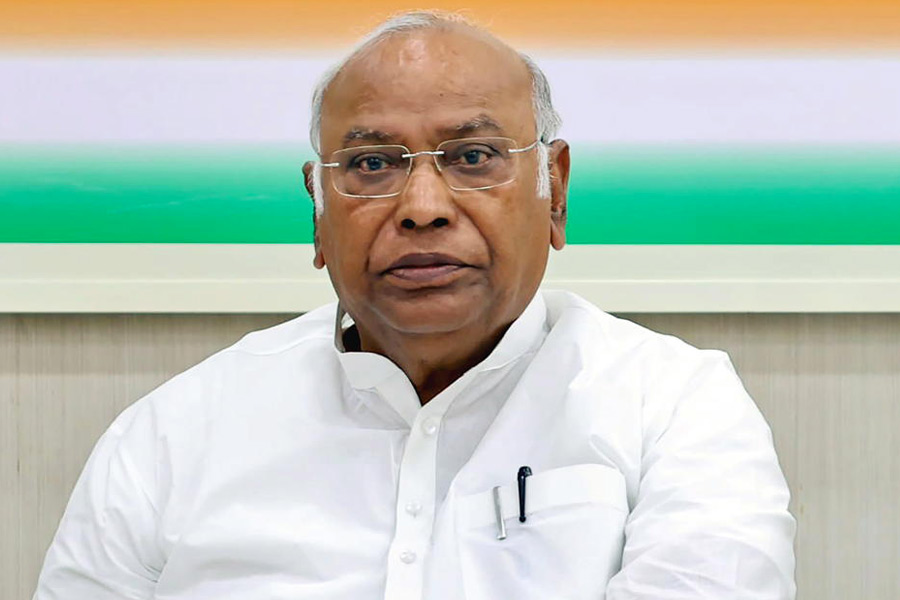
Congress president Mallikarjun Kharge announced that the bloc reached a unanimous decision to petition the Chief Justice of India regarding concerns over the Special Intensive Revision process, which the group characterized as involving “vote, loot, and stealing of elections.” Furthermore, the alliance issued a formal demand for the immediate resignation of Union Education Minister Dharmendra Pradhan.
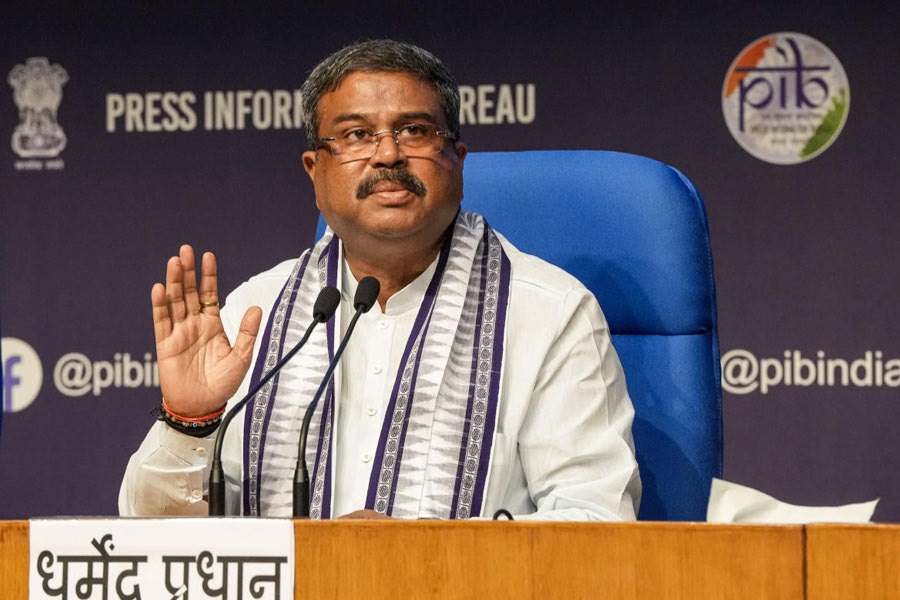
The coalition also pushed for the central government to convene an all-party meeting to address the country’s precarious economic situation. To maintain momentum, the leaders agreed to establish a more rigorous schedule, including meetings every two months and daily coordination regarding parliamentary proceedings.
The INDIA bloc meeting saw a diverse assembly of political leaders, including physical attendance by figures like Akhilesh Yadav, Tejashwi Yadav, Omar Abdullah, and Mehbooba Mufti, while Shiv Sena (UBT)’s Uddhav Thackeray participated virtually.
Implications for the Opposition
The gathering took place against a backdrop of emerging differences among the bloc’s constituents. By formalizing a calendar for regular meetings and strengthening parliamentary cooperation, the alliance is attempting to project a unified front despite these internal challenges. The focus on both specific policy demands—such as the resignation of the Education Minister—and broader democratic concerns suggests a strategy aimed at keeping pressure on the ruling government.
The decision to formalize frequent meetings and daily parliamentary coordination indicates that the INDIA bloc is moving toward a more structured operational model. By anchoring their platform on specific grievances like election integrity and economic stability, the coalition is likely attempting to bridge internal ideological gaps and present a cohesive alternative to the current administration.
What May Happen Next
Given the ultimatum regarding the Education Minister, the political climate could intensify if the government does not respond to the demand for his removal. The mention of potential nationwide agitation by other groups, combined with the bloc’s stated priorities, suggests that public demonstrations may become a more prominent feature of the opposition’s strategy. Furthermore, the commitment to regular, high-level meetings suggests that the bloc is preparing for sustained legislative friction in the coming months.
Frequently Asked Questions
Who attended the INDIA bloc meeting in New Delhi?
Attendees included Sonia Gandhi, Rahul Gandhi, Mallikarjun Kharge, Mamata Banerjee, Akhilesh Yadav, Tejashwi Yadav, Omar Abdullah, Mehbooba Mufti, Supriya Sule, John Brittas, D. Raja, and others, with Uddhav Thackeray attending virtually.
What is the primary demand regarding the Union Education Minister?
The INDIA bloc leaders unanimously agreed to demand the immediate resignation of Union Education Minister Dharmendra Pradhan.
What was the outcome regarding the bloc’s future coordination?
The leaders agreed to meet every two months and decided that parliamentary coordination will continue through daily meetings.
What specific steps do you believe the coalition should prioritize to effectively address their economic concerns?