
Indonesia targets to resolve 80 percent waste problem by 2029
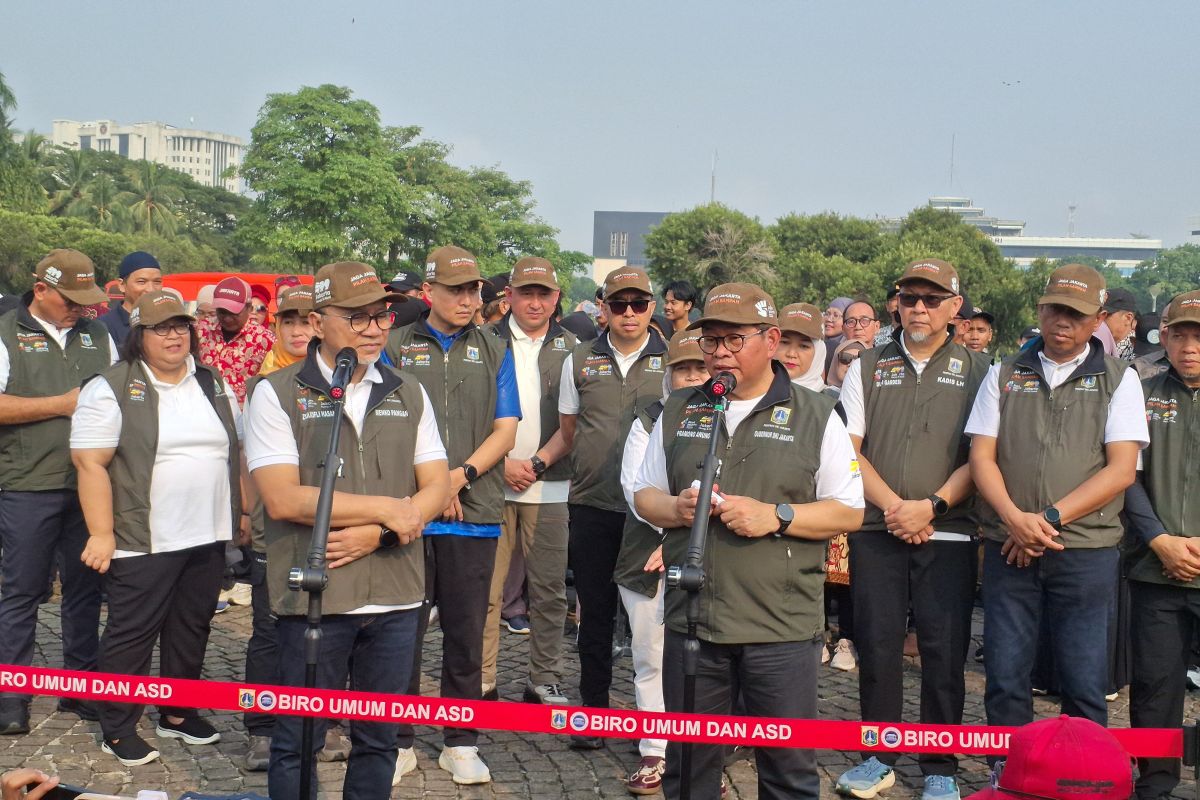
The Indonesian government has set a target to resolve 70 to 80 percent of the nation’s waste management challenges by 2029. Coordinating Minister for Food Affairs Zulkifli Hasan announced the goal on Sunday, detailing a strategy that relies on scaling up infrastructure, including waste-to-energy (WtE) facilities, alongside mandatory household waste sorting.
The initiative seeks to decentralize waste management by moving away from government-only reliance toward a model where public participation at the household level is integrated with industrial-scale processing. According to Minister Hasan, the success of this reform depends on a dual approach: providing the necessary technology while ensuring citizens manage waste at the source.
Expanding Waste-to-Energy Infrastructure
A primary component of the reform is the deployment of approximately 30 waste-to-energy (WtE) plants across the country. These facilities are intended to convert municipal waste into power, addressing the high volume of daily refuse in major metropolitan hubs.
Operations for the initial wave of these projects are targeted to begin in 2028. Currently, the government is preparing for the groundbreaking of three WtE plants, while Danantara Indonesia is overseeing the selection of partners for 12 additional projects to ensure the infrastructure is operational within the four-year timeline.
The Role of Public Participation
Minister Hasan emphasized that the government’s infrastructure projects will not succeed without complementary efforts from the public. He cited the Jakarta provincial government as a model for this approach, highlighting their success in utilizing neighborhood organizations and community groups to facilitate source-separated waste management.
By sorting waste at home, households can help separate organic matter for fertilizer production while ensuring recyclable materials are diverted for economic reuse. This strategy is presented as a necessary partner to the technical reforms being implemented under the 2025 Presidential Regulation.
Future Outlook
Looking ahead, the government may face challenges in synchronizing the rollout of the 30 planned WtE plants with the required behavioral shifts in household waste disposal. If the target of 70 to 80 percent resolution is to be met by 2029, the government will likely need to maintain a consistent “carrot and stick” approach to incentivize public compliance alongside the construction of its new facilities.
Frequently Asked Questions
What is the government’s primary goal for waste management?
Indonesia aims to resolve 70 to 80 percent of its waste problem by 2029 through a combination of new infrastructure and public participation.
How will waste be processed under the new reforms?
The government is constructing waste-to-energy (WtE) facilities in urban and metropolitan areas that produce more than 1,000 tons of waste daily, supplemented by household-level waste sorting.
When are the new waste-to-energy plants expected to be operational?
Operations for the planned WtE projects are targeted to begin in 2028.
How will local community involvement change the way households manage their daily waste in the coming years?