
Indonesia’s QRIS Now Can Be Used in China: Innovation or Digital Sovereignty?
The QRIS Revolution: How Indonesia is Redefining Digital Sovereignty
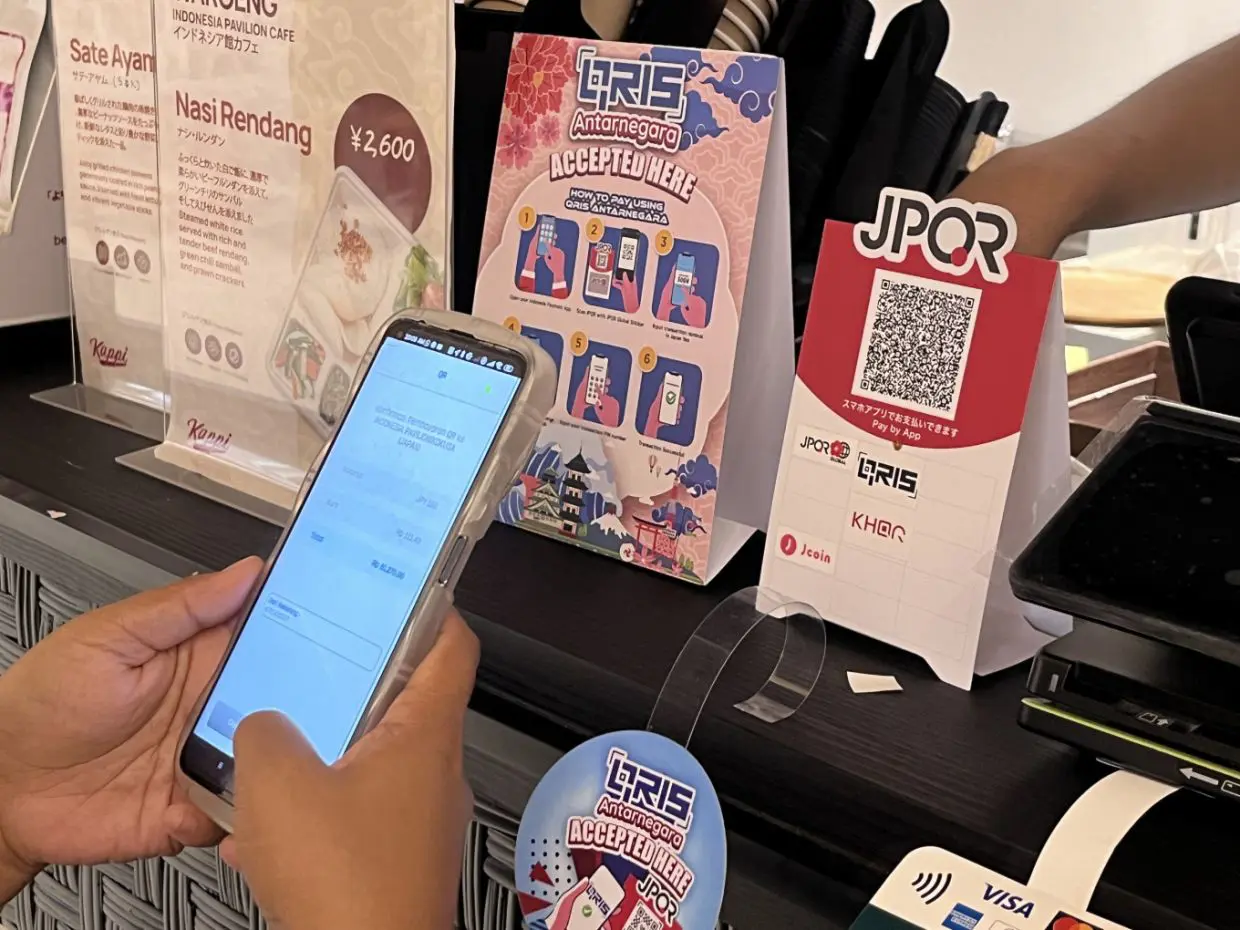
In the quiet corners of Southeast Asian fintech, a silent revolution is unfolding. Indonesia’s Quick Response Code Indonesian Standard (QRIS) has transcended its origins as a simple local payment method to become a cornerstone of the nation’s digital sovereignty. By bypassing traditional, Western-dominated financial rails like Visa and Mastercard, Indonesia is not just innovating—it is rewriting the rules of global trade.
With its recent expansion into China, QRIS is signaling a shift toward a multipolar financial landscape. For businesses and travelers alike, the ability to pay using a local currency without the “middleman” of the US Dollar is a game-changer.
Beyond the EDC: Why QRIS is Winning the Infrastructure War
Historically, digital payments required expensive Electronic Data Capture (EDC) machines. This created a barrier to entry for small-to-medium enterprises (SMEs). QRIS dismantled this barrier overnight. By utilizing a simple, standardized QR code, any merchant—from a street food vendor to a boutique hotel—can accept cashless payments using nothing more than a smartphone.
Data as the New Territorial Border
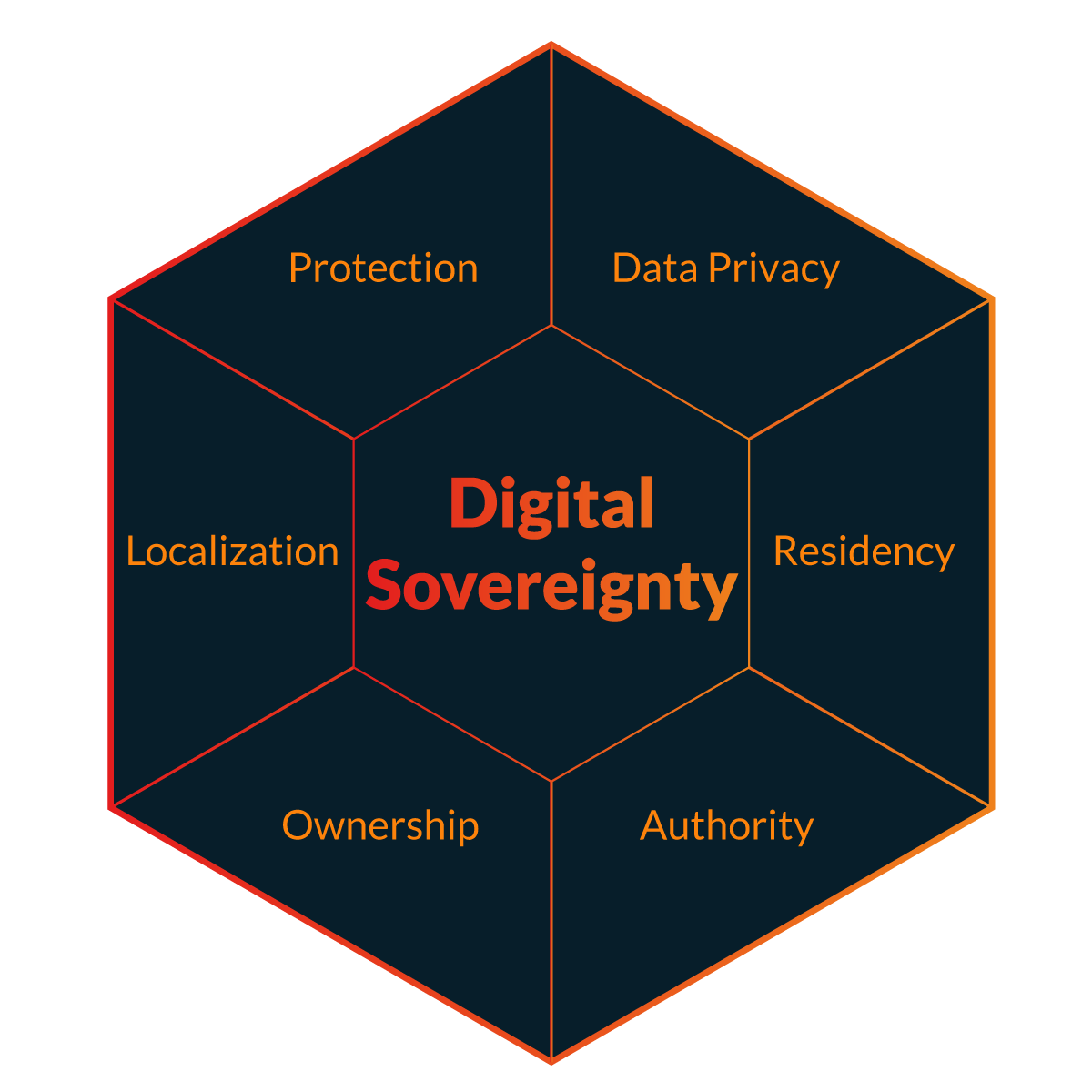
In the digital age, functional security is the new national security. Every time a transaction occurs, data is generated—who bought what, where, and when. When transactions flow through international servers owned by foreign multinational corporations, that data becomes vulnerable to external influence and analysis.
By keeping transactions within a domestic infrastructure, Indonesia is securing its financial intelligence. This prevents sensitive economic data from being harvested by foreign entities, ensuring that the insights derived from consumer behavior remain in the hands of domestic policymakers who can better steer the economy.
Breaking Free from the USD Hegemony
One of the most strategic advantages of the QRIS cross-border expansion is the integration of the Local Currency Settlement (LCS) scheme. Historically, cross-border payments were tethered to the US Dollar, subjecting merchants and tourists to double conversion fees and exchange rate volatility.
With LCS, a tourist in China or an Indonesian shopper in Thailand can transact directly in their respective local currencies. This isn’t just convenient; it’s a direct challenge to the traditional financial order. As emerging economies begin to rewrite global payments, we are seeing a clear trend: nations are prioritizing regional autonomy over reliance on global legacy systems.
The Road Ahead: Navigating Global Friction
This path isn’t without its obstacles. The U.S. Trade Representative’s criticism in recent reports highlights the friction created when regional networks threaten the dominance of established players. Achieving true global status requires navigating a complex web of bilateral agreements and international technical standards.
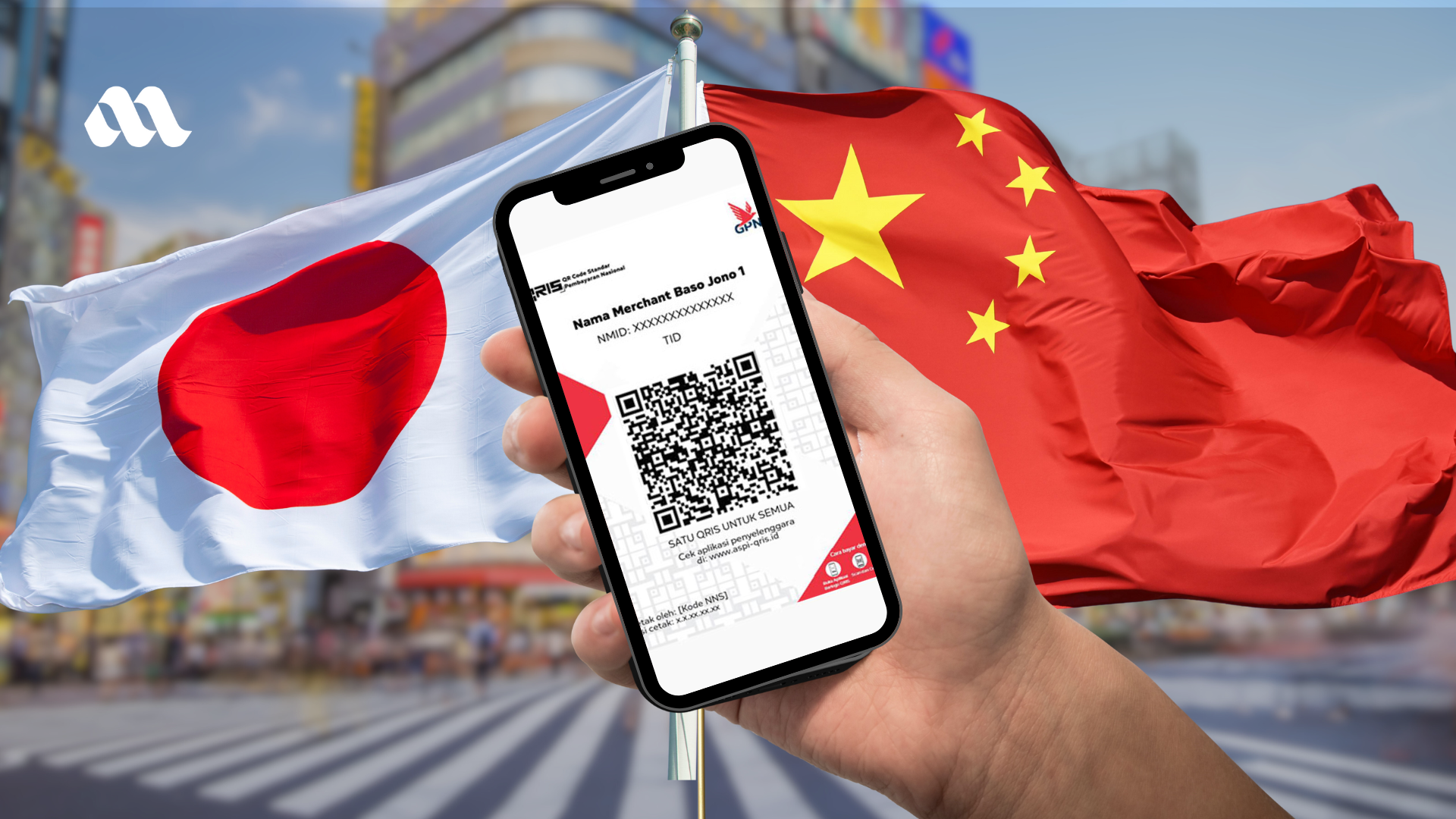
For QRIS to evolve from a regional powerhouse to a globally recognized standard, the Bank of Indonesia must continue its aggressive diplomatic efforts. The goal is clear: creating a world where digital payments are borderless, inclusive, and, most importantly, sovereign.
Frequently Asked Questions
- What makes QRIS different from Visa or Mastercard?
QRIS is a government-backed, standardized system that eliminates the need for expensive EDC hardware and keeps transaction data within domestic infrastructure, unlike private multinational networks. - How does QRIS save money for travelers?
By using the Local Currency Settlement (LCS) scheme, QRIS allows direct currency conversion between two countries, avoiding the extra fees associated with converting to USD first. - Is my transaction data safe with QRIS?
Yes. Because transactions occur entirely within domestic infrastructure and are not transferred to external foreign servers, the data remains protected under national sovereignty regulations. - Where can I use QRIS abroad?
Currently, QRIS is expanding across various countries, including Thailand, Singapore, Malaysia, and China, with more bilateral agreements under negotiation.
What do you think about the shift toward digital sovereignty? Is your country moving toward a national payment system, or do you prefer the convenience of global credit card giants? Share your thoughts in the comments below, or subscribe to our newsletter for more insights into the future of global finance.