

Inflation Data Drives Automatic Adjustments in Pensions Bus Fares and Exchange Rate
The May inflation rate of 2.1%, reported by Argentina’s National Institute of Statistics and Census (INDEC), triggered automatic adjustments to pensions, public transport fares, and currency exchange rate bands, according to government decrees and central bank directives.
The 2.1% increase in the consumer price index (IPC) will directly affect monthly pensions starting in July, as mandated by Decree 274/2024, which links adjustments to inflation data from two months prior. The minimum pension, currently set at 403,318 pesos, is projected to rise to approximately 411,800 pesos, according to calculations by the National Social Security Administration (Anses). Similar adjustments will apply to the Universal Child Allowance (AUH) and other social benefits.
Public transport fares in Buenos Aires Province and the City of Buenos Aires will also increase by about 4.1% in July, combining the May inflation rate with a 2-point percentage add-on. In Buenos Aires Province, the minimum fare is expected to rise from 1,015.61 pesos to 1,057 pesos, while longer-distance fares could reach 1,322 pesos. In the City, the minimum fare would increase to 821 pesos, with extended routes exceeding 1,050 pesos.
The Central Bank of Argentina (BCRA) will recalibrate the official dollar exchange rate band in July, setting the ceiling at 1,844 pesos based on the May IPC data. The band’s floor and ceiling adjust monthly with a two-month lag to align with inflation trends.
Why It Matters
The automatic adjustments reflect a policy framework designed to synchronize social benefits and public services with inflation, reducing the need for manual interventions. However, the delayed implementation—two months after the inflation data is recorded—may create short-term mismatches between price increases and income adjustments.
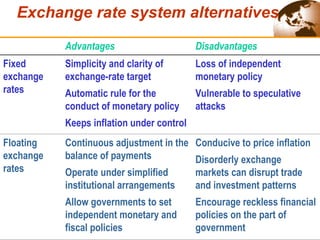
The transport fare hikes could strain low-income commuters, particularly in Buenos Aires Province, where the minimum fare is projected to rise by 4.1%. Meanwhile, the BCRA’s exchange rate adjustments aim to stabilize currency fluctuations but may limit the central bank’s flexibility in responding to sudden economic shifts.
What May Happen Next
The July adjustments could prompt further discussions about the effectiveness of automatic indexing mechanisms in mitigating inflation’s impact on vulnerable populations. Analysts suggest the government may consider additional measures, such as targeted subsidies, to offset the cost of living increases. However, no official plans have been announced.
The BCRA’s exchange rate band adjustments may influence broader monetary policy decisions, including interest rate settings. A possible next step could involve assessing the impact of the 1,844 peso ceiling on foreign exchange markets and inflationary pressures.
Frequently Asked Questions
What triggered the adjustments in July? The May inflation rate of 2.1% activated automatic updates to pensions, public transport fares, and the official dollar exchange rate band, as per government decrees and central bank regulations.
How do the pension increases calculate? Pensions are adjusted based on the inflation rate from two months prior, meaning the May data affects July payments. The minimum pension is projected to rise from 403,318 to 411,800 pesos.
What are the implications of the exchange rate band adjustment? The BCRA will set the official dollar ceiling at 1,844 pesos in July, aligning it with the May inflation data. This aims to stabilize currency fluctuations but may limit the central bank’s responsiveness to sudden economic changes.
How might these adjustments affect daily life for Argentines?