

Inhumane Conditions and the Expansion of U.S. Immigration Detention
Hundreds of detainees at the Delaney Hall immigration detention center in Newark, New Jersey, launched hunger and labor strikes over Memorial Day weekend to protest reports of spoiled food, inadequate medical care, and guard harassment. The demonstration sparked clashes between protesters and law enforcement, including the use of tear gas and batons by state and local police.
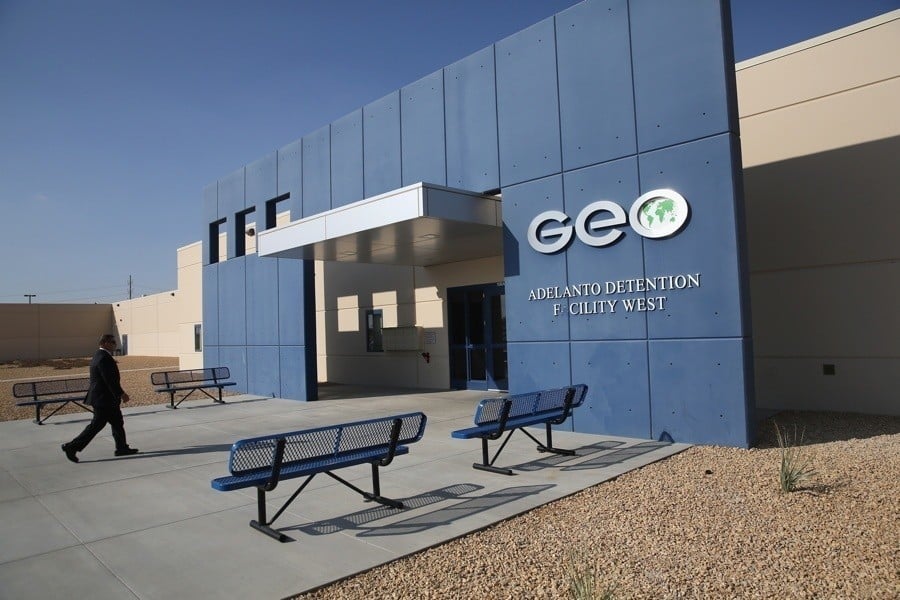
Did You Know? The Delaney Hall facility, operated by the for-profit GEO Group, is the largest immigration detention center on the East Coast and has a capacity of 1,000 beds.
What triggered the unrest at Delaney Hall?
The protests began around May 28, following reports from inside the facility regarding substandard living conditions. Detainees alleged that food provided by the jail was spoiled and sometimes contained maggots. According to Andrea Sáenz, a former federal appellate immigration judge, detainees also reported a lack of access to necessary medications and quality medical care, alongside persistent hostility from guards.
The situation escalated when local community members, including the spouse of a hunger striker, began gathering outside the facility. While ICE agents initially used batons and pepper spray to clear entrances for vehicles, the presence of state and local police on May 29 and 30 resulted in more widespread disorder. Police utilized riot shields, gas masks, and tear gas to clear the area, leading to multiple injuries, including a severe leg injury sustained by an Associated Press freelance photographer.
How has the administration responded to oversight?
The current detention crisis is unfolding within a broader context of restricted federal oversight. Under the current administration, access for members of Congress and state officials to federal immigration detention centers has been curtailed. Sáenz noted that the administration has effectively dismantled internal watchdogs, such as the Office of Immigration Detention Ombudsman, despite a congressional mandate for the office to remain active.
Expert Insight: The systematic dismantling of internal oversight bodies, combined with the restriction of external access for legal counsel and elected officials, creates a dangerous lack of accountability. This “warehousing” model suggests that as the administration expands detention capacity, the risk of preventable deaths—which have already reached 18 this calendar year—may continue to rise without independent verification of conditions.
What are the implications for the future?
Analysts expect the administration to continue its efforts to expand the detention system, which has grown by 75 percent since 2025. With nearly $15 billion in annual funding available through fiscal year 2029, the government is actively repurposing facilities, including warehouses, to house an increasing number of detainees. Because many of these new sites lack the necessary infrastructure for water and waste management, legal challenges regarding humane treatment are likely to persist.
The broader impact of these policies may reach beyond the detention system itself. As government databases are increasingly integrated into the “mass deportation state,” the potential for a fundamental transformation into a more intensive police state remains a concern for civil rights advocates. The outcome of upcoming congressional sessions will likely determine whether this expanded infrastructure is maintained or if future legislative action will attempt to shift the focus of interior enforcement.
Frequently Asked Questions
Why were protesters arrested at Delaney Hall?
Protesters were arrested after clashing with state and local police, particularly following a 9 p.m. curfew imposed by Newark Mayor Ras Baraka. Police utilized kettling tactics to surround protesters, leading to the arrest of dozens of demonstrators and a number of citizen journalists.
What is the current scale of the immigration detention system?
The detention system expanded from approximately 40,000 people in 2025 to over 73,000 in January 2026. While numbers have fluctuated following operations like “Operation Metro Surge,” the administration maintains significant funding to continue expanding capacity through 2029.
How does the current administration treat legal immigration status?
Recent policy changes, including a memo affecting the “adjustment of status” green card process, have signaled a more restrictive approach. Advocates note that the administration is increasingly targeting not only undocumented individuals but also those with existing legal statuses, such as DACA recipients and those with special immigrant juvenile status.
How can the public ensure accountability for conditions inside privately operated detention facilities?