

INPEX bid to halt strikes at Ichthys LNG denied, says shutdown possible this week
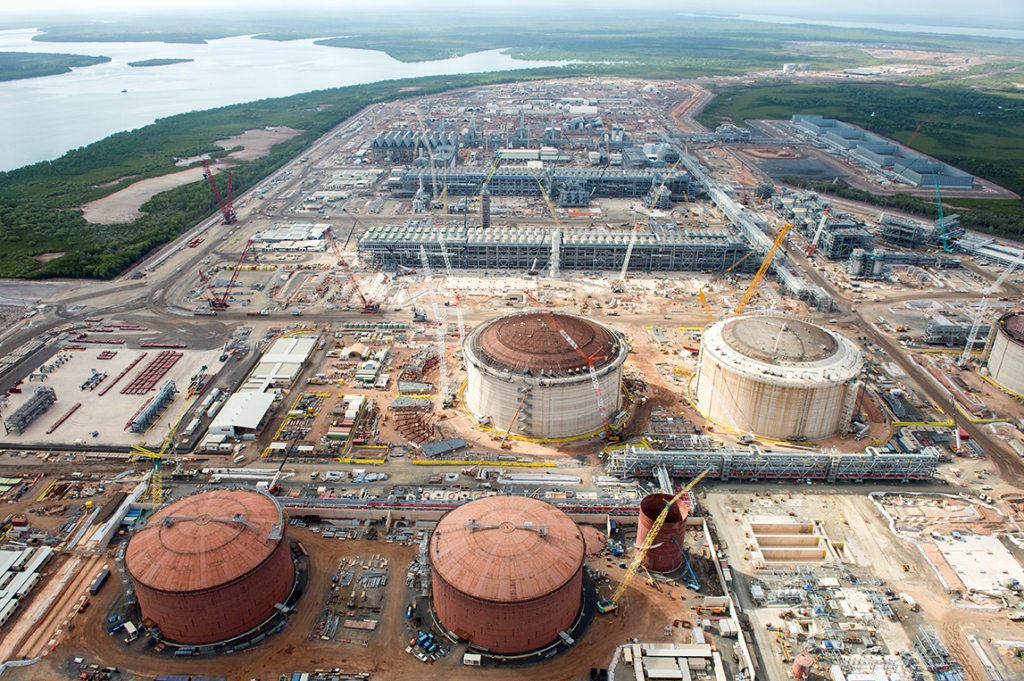
The Australian Fair Work Commission (FWC) denied an application by INPEX on 14 June to terminate protected industrial action (PIA) at the 9.3mtpa Ichthys LNG project. FWC Deputy President Michael Easton ruled that the strikes did not meet the threshold for significant economic damage or severe safety risks required to halt the bargaining process, despite warnings from the Japanese producer that the facility could face a shutdown by 16 or 17 June.
Did You Know? The Ichthys LNG project, which could see a 10% reduction in Australia’s total LNG exports due to these stoppages, is currently operating at reduced capacity with only two of its four compressors running.
Why the FWC Denied the Request
Deputy President Michael Easton stated he was not convinced that terminating the industrial action was necessary, noting that the facility has a history of managing both planned and unplanned outages. While INPEX offshore manager Richard Palumbo argued that current bans on condensate and LNG loadings were creating a “tank tops” situation at offshore storage, the Commission determined the economic impact did not reach the level required to intervene in the labor dispute.

Union legal representative Oshie Fagir argued that INPEX maintains sufficient control over production to delay a shutdown while negotiations continue. Fagir further contended that the company had failed to provide evidence that the potential local economic impact on Darwin, including possible power outages, constituted an urgent threat.
Operational Risks and Market Impact
The standoff between INPEX and the Offshore Alliance (OA)—an umbrella group representing the Australian Workers’ Union and the Electrical Trades Union—centers on a new labor contract. INPEX legal representative Richard Dalton warned that if the partial work stoppages are not halted, the resulting shutdown could threaten both regional communities and the broader economy.
Expert Insight: Samantha Carter notes that the stakes extend beyond domestic operations, as any disruption to Ichthys exports could tighten supply in Northeast Asia. Amid existing global instability, the potential loss of these shipments raises reliability concerns for regional energy security and Australia’s own refined fuel imports.
What May Happen Next
Negotiations between INPEX and the unions are expected to continue, with both parties indicating that most areas of the contract are settled. Key outstanding issues remain, specifically regarding staffing levels and job protection. If the parties fail to reach an agreement, the facility remains at risk of a shutdown, which could also jeopardize a planned July maintenance period intended to commission new compressors and boost output to maximum capacity.
Frequently Asked Questions
Why did INPEX request to end the strikes?
INPEX sought to end the industrial action citing fears of significant economic damage and safety risks, specifically highlighting that the offshore unit could face a total shutdown by 16 or 17 June.
How are the current strikes affecting production?
The facility is operating at reduced capacity with two of four compressors running, and bans on condensate and LNG loadings are causing storage constraints.
What are the main areas of disagreement in the labor talks?
While most terms for a new contract have been settled, staffing levels and job protection remain the primary points of contention between INPEX and the Offshore Alliance.
How might the resolution of these labor negotiations influence the long-term stability of Australia’s LNG export sector?