

Inside The Iran Deal That May Change Nothing – But Could Smash Oil Prices Anyway
The geopolitical chessboard between Washington and Tehran is shifting once again. After months of high-stakes conflict and stalled diplomacy, whispers from the corridors of power in D.C., London, and Tehran suggest a potential deal is on the horizon. But for energy markets, the critical question remains: is this a genuine path to stability, or merely a temporary ceasefire in a much longer game?
The Cost of War: Assessing Trump’s Four Objectives
To understand where we are going, we must look at where we have been. President Trump’s initial war cabinet set four distinct pillars for this conflict: neutralizing nuclear capabilities, destroying missile stockpiles, achieving regime change, and dismantling Iran’s proxy networks. The results are a mixed bag of strategic gains and lingering uncertainties.
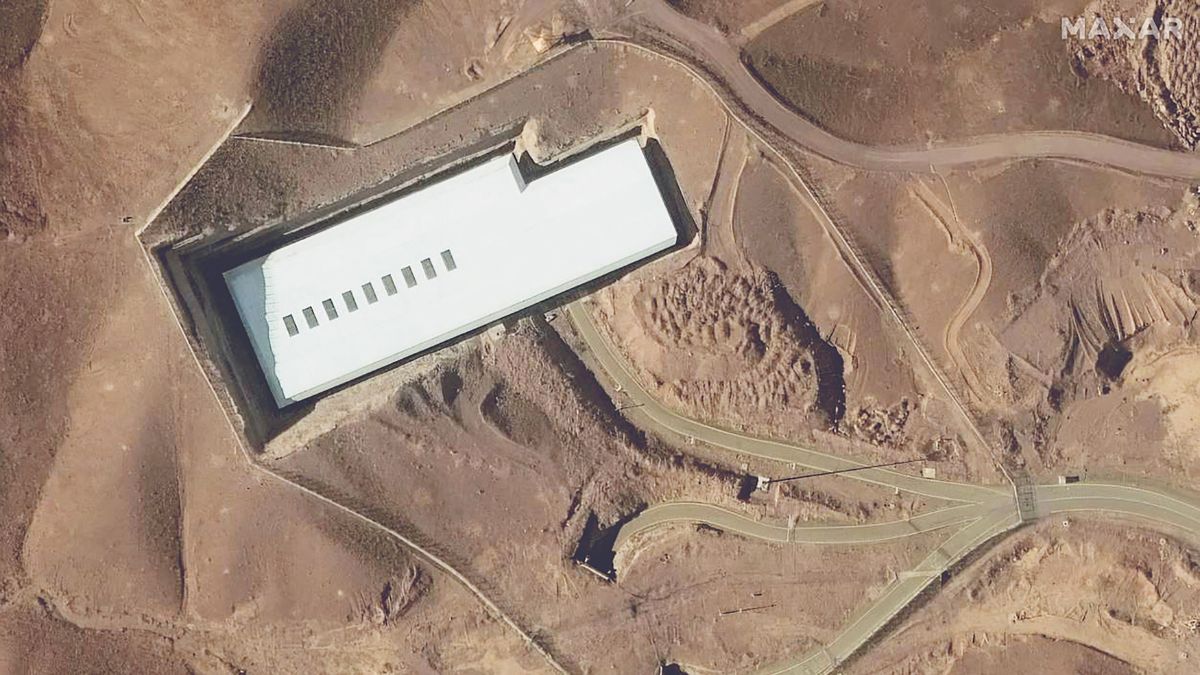
- Nuclear Ambitions: While key facilities at Fordow and Natanz have suffered significant degradation, the “missing” 440 kilograms of 60% enriched uranium remain a dark cloud over international inspectors.
- Ballistic Missiles: Despite the destruction of 15 key production sites, U.S. Intelligence notes that Iran’s defense industrial base is showing a surprising resilience, aided by covert supply chains.
- Regime Stability: While the removal of top-tier military and religious figures has disrupted the status quo, the core structure of the Islamic Republic remains largely intact.
- Proxy Warfare: This is arguably the most successful front. Operation Epic Fury has effectively fractured the command-and-control links between Tehran and its regional proxies, leaving them isolated and less capable of coordinated strikes.
The Economic Calculus: Why Election Cycles Drive Diplomacy
With U.S. Mid-term elections looming, the economic pressure to lower gasoline prices is reaching a fever pitch. History shows a clear correlation: sitting administrations that face a recession or high energy costs rarely fare well at the ballot box. With fuel prices hovering above $4 per gallon, the political incentive to secure a deal—and subsequently ease oil supply constraints—is higher than ever.
However, Tehran is no novice at this game. Relying on its strategic leverage over the Strait of Hormuz, Iran is pushing for an “investment fund”—a euphemism for massive reparations—to offset the economic damage of the conflict. For the Iranian leadership, the goal is simple: secure a deal that provides relief while maintaining enough regional influence to ensure their long-term survival.
Predicting the Oil Price Pivot
If a deal is finalized, the impact on global energy markets will be swift. According to energy strategists at the Macquarie Group, a resolution could trigger an immediate sell-off of approximately $20 per barrel in the first week. The market, currently priced for conflict, would face a rapid correction as the backlog of tankers in the Gulf clears.
The “Fair Value” Roadmap:
- Phase 1: Immediate market shock and price drop.
- Phase 2: A two-week consolidation period as logistical bottlenecks are resolved.
- Phase 3: A return to a “fair value” range, projected to be between $65 and $70 per barrel.
Frequently Asked Questions (FAQ)
How would an Iran-U.S. Deal affect my daily fuel costs?
A successful deal would likely stabilize supply chains through the Strait of Hormuz, leading to a significant drop in crude prices and, lower gasoline prices at the pump within weeks.
Is the “regime change” objective truly off the table?
While U.S. Operations have removed key leadership figures, the structural apparatus of the Iranian government remains. Any future deal will likely focus on containing behavior rather than pursuing total regime removal.
Why is the Strait of Hormuz so critical to oil prices?
The Strait is one of the world’s most important oil chokepoints, with roughly 20-30% of global oil consumption passing through it daily. Any threat to this corridor creates immediate market panic and price spikes.
What are your thoughts on the future of energy markets? Will oil return to the $65 range, or are we in for a more volatile ride? Share your perspective in the comments below or subscribe to our newsletter for deep-dive analysis on global energy trends.