

Inside the Luxury Life of Tennis Tour Dogs
At the French Open, the most important member of a player’s support staff might not be a coach or a physiotherapist, but rather a dedicated dog concierge. Melanie Gauthier Knopp has become an essential fixture at Roland Garros, tasked with ensuring the well-being of the increasing number of canine companions accompanying tennis stars through the grueling, nomadic professional circuit.
Gauthier Knopp provides a full suite of services, ranging from coordinating excursions to providing post-match massages and even managing heat-relief measures like private pools. For many athletes, these pets are more than just companions; they serve as vital emotional support, offering a sense of normalcy and a psychological escape from the intense pressures of the professional tour.
A Shift in Tour Culture
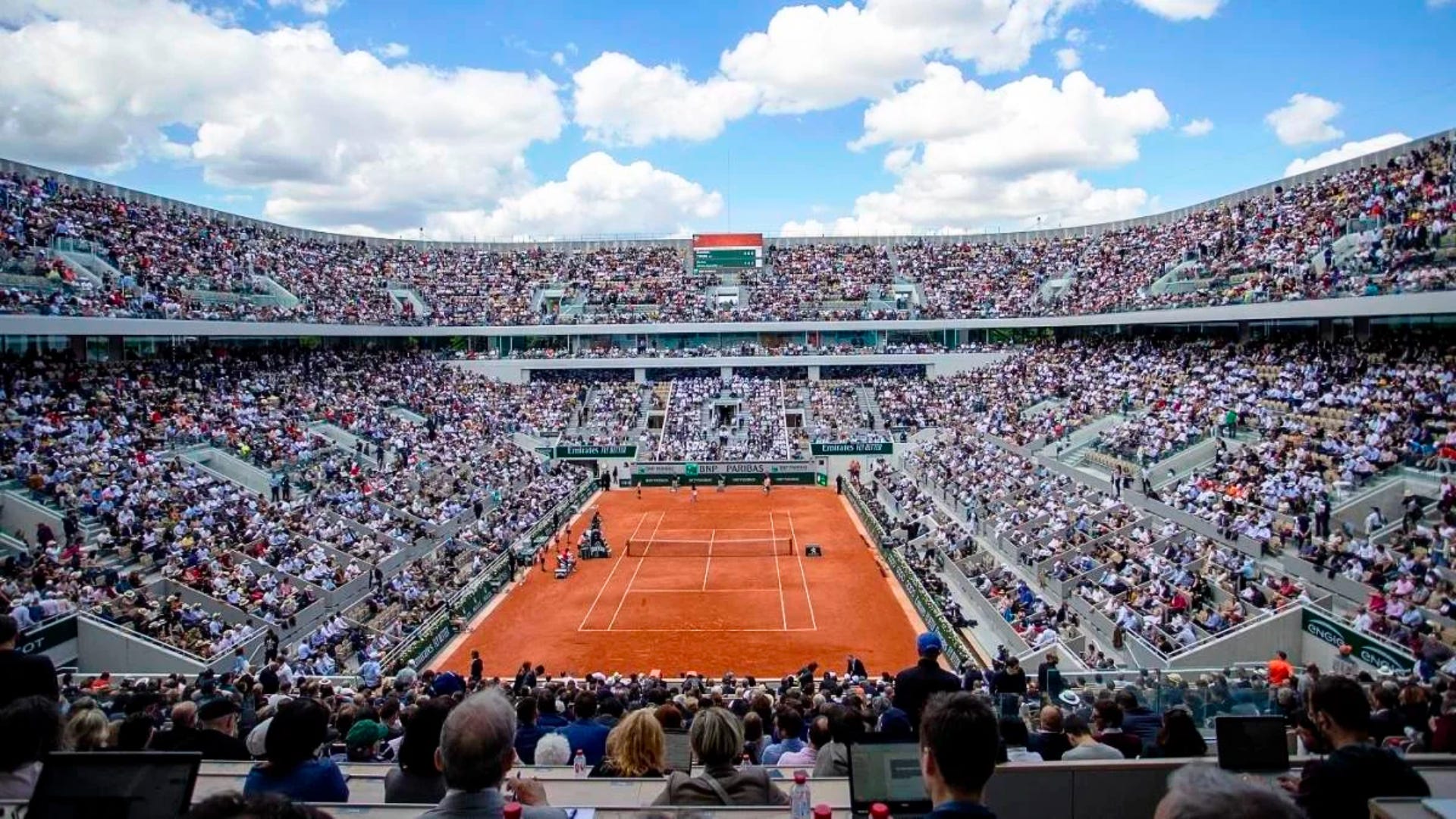
The presence of dogs at major tournaments has grown from a rarity to a visible trend. At this year’s French Open, at least half of the women’s quarterfinalists traveled with their pets. The tournament has responded to this “puppy proliferation” by installing doggie bag dispensers, establishing clear signage, and issuing official credential badges to ten canines allowed on the grounds.
For players like Aryna Sabalenka, who travels with her Cavalier King Charles Spaniel, Ash, the companionship provides a necessary mental health anchor. Others, such as Anna Kalinskaya, find that the responsibility of caring for a dog like her dachshund, Bella, helps ground them in a lifestyle that is otherwise defined by hotel rooms and solitary travel.
Did You Know? Ten canines were officially issued their own credential badges to wear around the Roland Garros grounds this year, granting them access to various areas of the tournament site.
Logistics and Future Implications
While the benefits are clear, the lifestyle remains challenging. Players and their agents must navigate complex international pet travel regulations, which often exclude destinations like Australia, Japan, or Korea due to lengthy quarantine requirements. Even at accessible locations, finding pet-friendly accommodations that offer sufficient walking space for the animals remains a consistent hurdle.
Expert Insight: The professional tennis circuit is a notoriously lonely, high-pressure environment. The rise of on-site pet services suggests a broader evolution in how the sport manages athlete well-being, acknowledging that for many, a sense of “home” is essential to maintaining peak performance.
It is likely that other major tournaments will observe the success of the Roland Garros concierge program and consider implementing similar support systems. As the trend of traveling with pets continues, tournaments may find it necessary to formalize pet-friendly policies to remain competitive in attracting top-tier talent who prioritize the presence of their emotional support animals.
Frequently Asked Questions
Why does Roland Garros employ a dog concierge?
The concierge was hired to look after the pets of top players so that the competitors can focus on performing at their peak, knowing their dogs are being cared for rather than left alone in hotel rooms.
Are there restrictions on where dogs can go at the French Open?
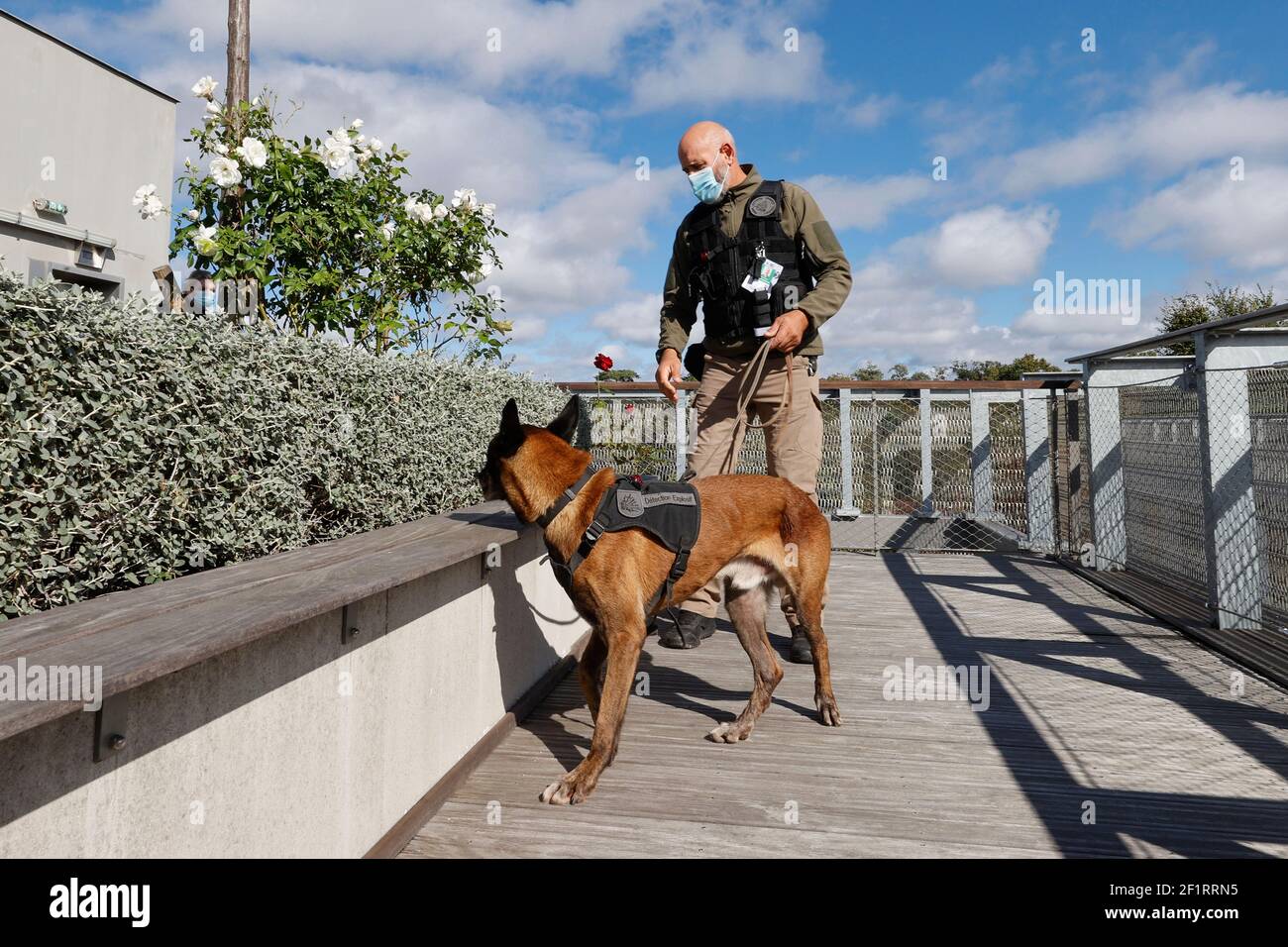
Yes, while dogs are seen on practise courts and in player boxes, there is clear signage indicating areas where they are not allowed, such as dining areas.
Why do some players choose not to bring their dogs to certain tournaments?
Travel is restricted by international regulations; for example, some countries require lengthy quarantine periods for animals, and some hotels or tournament sites may not accommodate pets.
How do you think the integration of emotional support animals into professional sports environments will impact the future of athlete travel and tournament management?