

Inside WorldTour cycling’s week of managerial turmoil
The landscape of professional cycling is undergoing a profound structural shift, mirroring the high-stakes, rapid-fire turnover traditionally associated with global football. The recent departure of Grischa Niermann, Visma-Lease a Bike’s head of racing, to join Lidl-Trek as chief sporting officer has sent shockwaves through the peloton, challenging the sport’s long-standing tradition of contract stability and long-term management.
A Shift in the Pelotons Power Structure
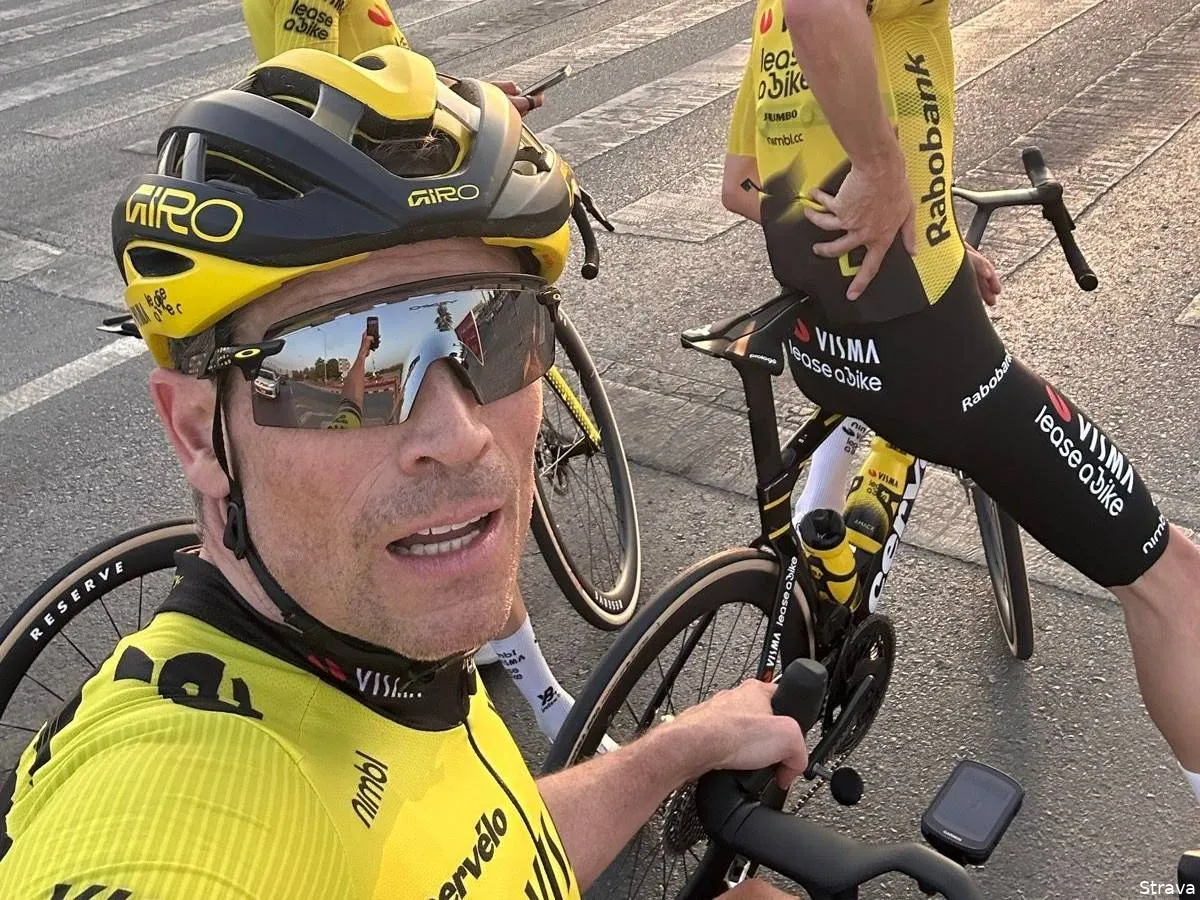
Richard Plugge, the manager of Visma-Lease a Bike, expressed visible frustration regarding the mid-season loss of one of his primary strategic architects. Niermann, who has been with the Dutch team since 2017, was instrumental in their success across three of the last four Grand Tours. His exit, occurring just one month before the Tour de France, leaves Jonas Vingegaard—the team’s star rider—without a key confidant during his pursuit of a third yellow jersey.
Lidl-Trek is simultaneously navigating its own internal turmoil. The team is discarding a 15-year operational formula in favor of a new, German-centric hierarchy led by Thomas Rohregger and incoming CEO Andy Schleck. While the team has invested heavily in talent, including the high-profile signing of Juan Ayuso, the speed of this top-down restructuring has reportedly caused significant unrest among staff and riders alike.
Did You Know?
Lidl-Trek’s recent restructuring includes a shift in nationality and geography; the team has moved its headquarters and service course from Belgium to Germany, aligning with the Schwarz Group’s majority ownership.
The Human Cost of Transition
The departure of long-time general manager Luca Guercilena has been a focal point of the recent instability. Despite his history of guiding the team to success on a modest budget and his personal recovery from a severe battle with non-Hodgkin lymphoma, Guercilena was pushed out as leadership transitioned to the Schleck brothers. Insiders have noted that communication between the outgoing management and the new leadership broke down, leading to a climate of uncertainty within the organization.
Expert Insight:
The aggressive move toward a new management model, while potentially lucrative in the long term, carries significant risk. By dismantling established internal cultures and replacing experienced leadership with personnel who have been outside the professional peloton for a decade, teams may face a multi-year stabilization period that could jeopardize immediate competitive goals in major races like the Tour de France.
Looking Ahead: Competitive Repercussions
The immediate consequence of these changes is a period of disruption for two of the world’s top teams. Visma-Lease a Bike is currently attempting to reconfigure its leadership, with Marc Reef stepping into the head of racing role. Whether this transition will affect Vingegaard’s performance remains a critical question for the upcoming Tour de France.
For Lidl-Trek, the challenge is to synthesize its new, high-budget strategy with the need for team unity. Analysts expect that the rapid turnover in personnel, including the additions of Dan Lorang and Martijn Redegeld, will require significant time to settle. The success of this overhaul may depend on whether the team can successfully pivot toward Grand Tour victories without further alienating its internal talent pool.
Frequently Asked Questions
Why is the departure of Grischa Niermann considered significant?
Niermann has been a central strategic figure at Visma-Lease a Bike since 2017 and a key architect behind three of the team’s last four Grand Tour victories. His departure just weeks before the Tour de France creates a sudden leadership void for team leader Jonas Vingegaard.
What is driving the management changes at Lidl-Trek?
The changes are being driven by the Schwarz Group, which acquired a majority stake in the team. The owners are seeking a German-centric approach to leadership and operations, aiming to move beyond the team’s previous Italian heritage to secure more consistent, high-level success.
How has the team responded to the exit of Luca Guercilena?
Guercilena’s departure has caused significant internal unrest and sadness. Sources suggest he was pushed out of the role he held since 2013, with his relationship with the new leadership described as poor due to a lack of communication and disagreement over the direction of the team.
Will the shift toward football-style management, characterized by frequent poaching and rapid restructuring, ultimately benefit or hinder the stability of professional cycling?