
Intel Serpent Lake with NVIDIA RTX Graphics Rumored for 2028 Release
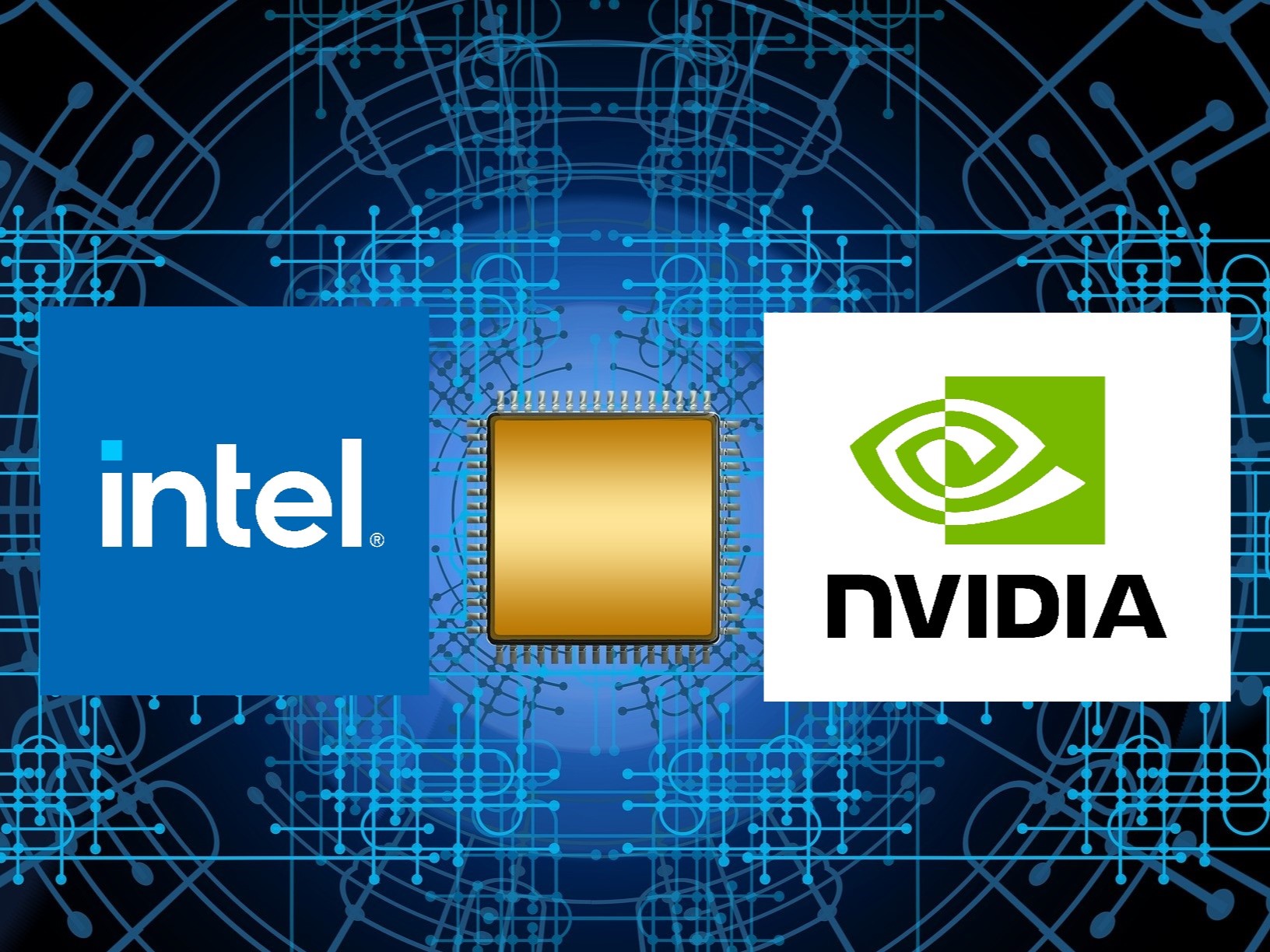
Intel is reportedly developing a “Serpent Lake” processor that integrates Intel CPUs with NVIDIA RTX graphics, according to leaked company roadmaps. Targeted for a first-quarter 2028 release, the chip focuses on AI PCs and high-end mobile workstations, using a modular tile architecture to deliver higher graphical performance than Intel’s standalone Arc GPUs.
When will Intel Serpent Lake be released?
Rumors suggest Intel will launch the Serpent Lake chip in the first quarter of 2028. If this timeline holds, the company will likely debut the processor at CES 2028. While the roadmap leak provides a window, neither Intel nor NVIDIA has officially confirmed the release date or the partnership.

Why is Intel partnering with NVIDIA instead of using Arc GPUs?
The move signals a potential shift in Intel’s strategy for high-end mobile hardware. Intel currently produces its own Arc graphics, but the Serpent Lake project targets the AI PC and mobile workstation segments—markets where NVIDIA’s RTX ecosystem already dominates. By integrating RTX tiles, Intel can offer performance levels that current integrated Arc graphics can’t match.

This approach mirrors NVIDIA’s existing efforts with the RTX Spark platform, which also targets high-performance AI workloads. For professionals in 3D rendering or machine learning, an integrated RTX solution removes the bottlenecks often found in traditional discrete GPU setups.
| Feature | Standard Intel Mobile CPU | Serpent Lake (Rumored) |
|---|---|---|
| Graphics Tile | Intel Arc | NVIDIA RTX |
| Primary Target | General Consumer/Laptop | AI Workstations/Pro Mobile |
| Architecture | Monolithic/Hybrid | Modular Tile Design |
How does the modular architecture of Serpent Lake work?
Serpent Lake will use a modular design, meaning it isn’t a single piece of silicon. Instead, it combines separate “tiles” for different functions. According to the leaks, Intel will pair its latest CPU tiles with NVIDIA RTX graphics tiles on a single package.
This modularity allows Intel to swap components more easily and optimize power efficiency. It’s a significant departure from older chip designs, allowing for better thermal management in slim mobile workstations while maintaining the heavy lifting required for AI computation.
What does this mean for the future of AI PCs?
The integration of NVIDIA hardware directly into Intel CPUs suggests that “AI PCs” are moving beyond simple NPU (Neural Processing Unit) additions. True AI workstations require the massive parallel processing power of RTX cores. By merging these, Intel and NVIDIA can reduce latency between the CPU and GPU.
This development puts pressure on competitors like AMD, which has long integrated its Radeon graphics into Ryzen processors. However, the specific brand power of “RTX” in the AI community gives this rumored partnership a distinct advantage in the professional sector.
Frequently Asked Questions
Is Serpent Lake a replacement for Intel Arc?
No. Reports indicate Serpent Lake is a specialized product for high-end workstations and AI PCs, while Arc will likely continue for general consumer laptops.
When can I buy a Serpent Lake powered laptop?
Based on current rumors, the chip won’t arrive until 2028, meaning laptops would likely hit shelves later that year.
Will Serpent Lake be available for desktop PCs?
The current leaks specifically mention “mobile workstations” and “AI PCs,” suggesting a focus on portable, high-performance devices rather than desktop towers.
Want to stay ahead of the hardware curve?
The battle for AI supremacy is just beginning. Join our newsletter for the latest leaks on next-gen silicon and workstation tech.