

Internet Starts to Return in Iran After 3-Month Blackout
Beyond the Blackout: The Rise of the ‘Splinternet’ and the Future of Digital Sovereignty
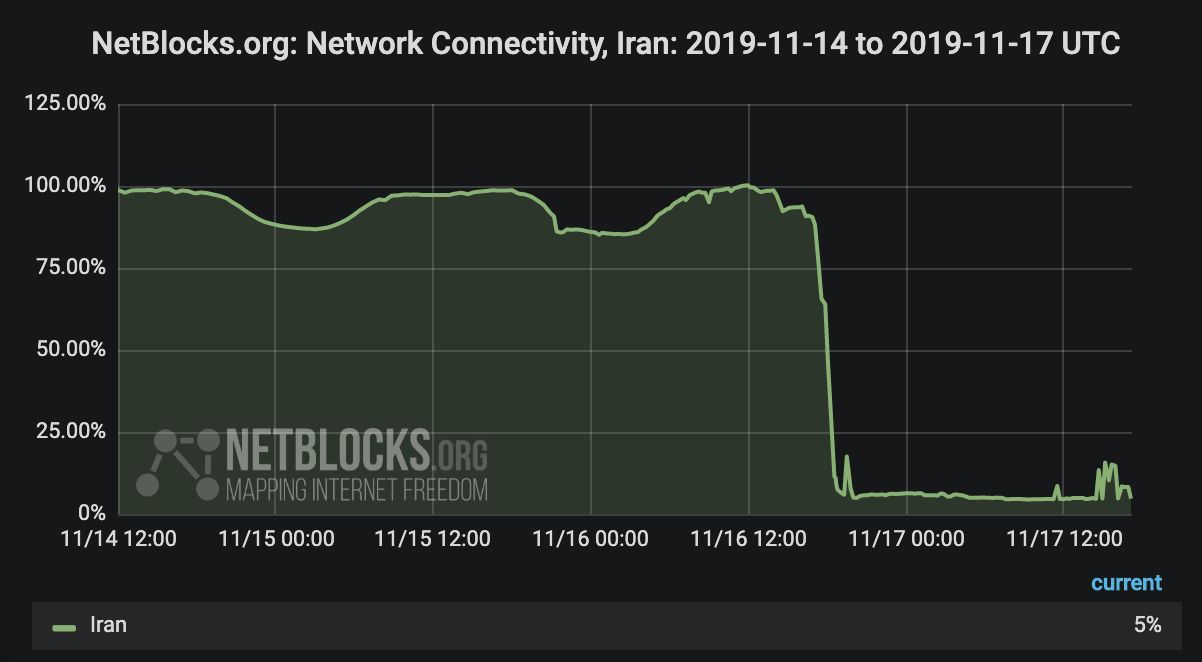
For decades, the promise of the internet was a borderless world—a global village where information flowed freely. However, recent events in geopolitical hotspots, particularly the recurring connectivity blackouts in Iran, reveal a darker trajectory. We are witnessing the birth of the “Splinternet,” where the global web is fractured into national silos controlled by state interests.
When a government can flip a switch and plunge millions into digital darkness, the internet ceases to be a tool for empowerment and becomes a weapon of statecraft. The struggle we see today is not just about a few thousand hours of downtime; it is a blueprint for how authoritarian regimes intend to govern the digital age.
The Blueprint for the National Intranet
The move toward a “National Intranet” is the ultimate goal for regimes seeking total information control. Rather than simply blocking websites, the strategy is to replace the global internet entirely with a homegrown alternative.
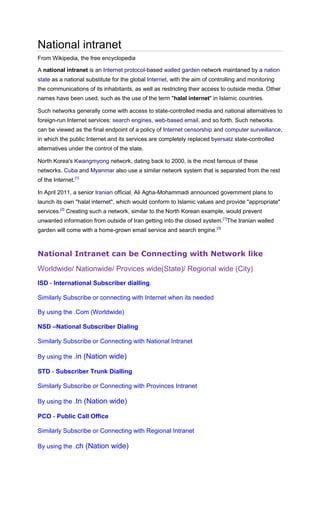
This involves creating state-sanctioned versions of everything: search engines, messaging apps and ride-hailing platforms. By migrating citizens to these domestic platforms, governments can monitor every keystroke and interaction in real-time without needing to “break” the internet.
Precision Censorship vs. Brute Force
Historically, governments relied on “brute force”—the total blackout. While effective in the short term, this is an economic suicide mission. It freezes e-commerce, halts banking, and disrupts essential services.
The future trend is shifting toward precision censorship. Using Deep Packet Inspection (DPI), regimes can now throttle specific apps (like WhatsApp or Telegram) while keeping the rest of the web functional. This allows the economy to breathe while the opposition is silenced.
Connectivity as a Weapon of War
In modern conflict, the first shot is rarely fired with a gun; it is fired at the server. We are seeing a trend where connectivity is used as a strategic lever during diplomatic negotiations and military engagements.

When internet access is restored in increments—starting with fixed-line fiber in capital cities before moving to mobile networks—it is often a calculated political signal. Connectivity becomes a reward for compliance or a bargaining chip in international treaties.
This “digital siege” tactic isolates a population, preventing the real-time flow of war footage and humanitarian reports, effectively creating a curated reality for those inside the borders.
For those living in high-risk zones, relying on a single VPN is no longer enough. Experts recommend “obfuscated servers” and decentralized protocols like Tor or satellite-based internet to bypass state-level firewalls.
The Internal Power Struggle: Security vs. Governance
A fascinating trend emerging from these digital battles is the friction within the governments themselves. We often view authoritarian regimes as monoliths, but the control of the internet often sparks a “civil war” between different state organs.
On one side, you have the security apparatus, which views the internet as a threat to be neutralized. On the other, you have economic and administrative bodies that recognize that a disconnected country is a bankrupt country.
This tension creates a “flip-flop” effect: the internet goes down due to a security order, only to be partially restored by a presidential decree to save the economy. This instability suggests that total digital control is technically possible, but politically unsustainable.
The Cat-and-Mouse Game: The Future of Circumvention
As state firewalls grow more sophisticated, the tools to bypass them are evolving. We are moving toward an era of “invisible” connectivity.
- Satellite Internet: The rise of Low Earth Orbit (LEO) satellites is making it harder for governments to control the physical infrastructure of the web.
- Mesh Networking: Peer-to-peer networks that allow devices to communicate without a central ISP are becoming a lifeline during total blackouts.
- Decentralized Web (Web3): Blockchain-based hosting and communication tools are designed to be censorship-resistant by nature, removing the “single point of failure” that governments target.
Frequently Asked Questions
What is the ‘Splinternet’?
The Splinternet refers to the fragmentation of the global internet into multiple, isolated networks governed by different countries, each with its own rules, censorship laws, and technical standards.
Why do governments prefer a National Intranet over a total blackout?
A total blackout destroys the economy. A National Intranet allows the government to maintain economic activity while exercising total surveillance and control over the information citizens consume.
Can satellite internet completely stop government blackouts?
While it provides a powerful alternative, it is not a silver bullet. Governments can still jam satellite signals or criminalize the possession of the necessary hardware.
Join the Conversation
Do you believe a truly global, open internet is still possible, or are we destined for a fragmented digital future? Share your thoughts in the comments below or subscribe to our newsletter for more deep dives into the intersection of technology and geopolitics.