

iOS 27 and macOS 27 Betas Hint at Foldable iPhone and Touchscreen MacBook
New code discovered in the latest iOS 27 and macOS 27 developer betas indicates Apple is preparing its operating systems for a folding iPhone and a touchscreen MacBook. According to a report from Bloomberg, system parameters for “foldState” and “angleDegrees” suggest future hardware will require dynamic interface adjustments, while macOS updates introduce touch-friendly UI patterns traditionally reserved for mobile devices.
What do the iOS 27 code changes reveal about a foldable iPhone?
Apple appears to be laying the software foundation for a device that changes shape. Recent developer beta findings in iOS 27 include specific identifiers such as “foldState” and “angleDegrees,” which point to a display that can detect its physical orientation. As noted by Trusted Reviews, these parameters are essential for a foldable device to shift its interface seamlessly between folded and unfolded states. This shift marks a departure from the current static screen layouts found on the iPhone 16 or iPhone 17 series.
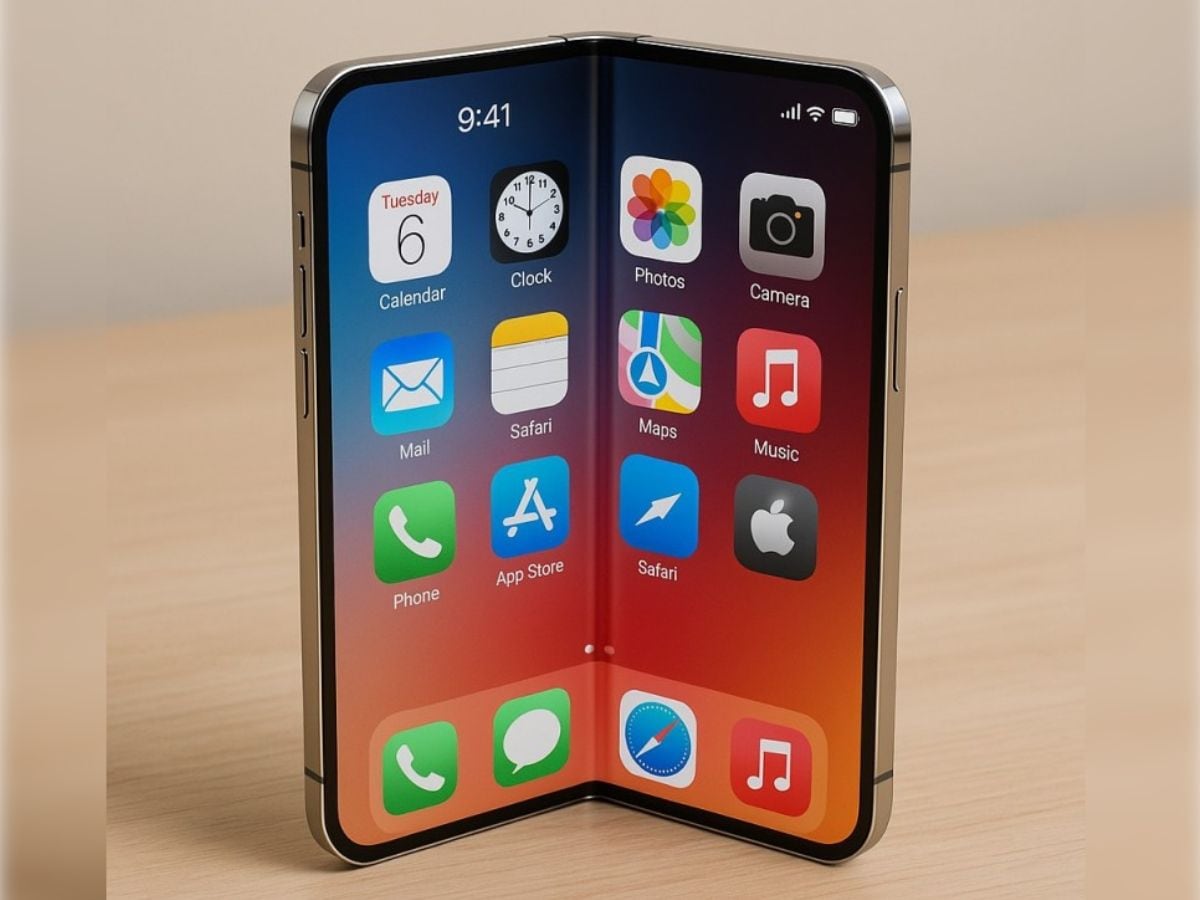
The “foldState” parameter is similar to logic used in existing Android foldable devices, which must trigger a layout change the moment a hinge sensor detects a change in angle.
How is macOS 27 adapting for potential touch-based hardware?
The transition toward a touchscreen MacBook is becoming more apparent through subtle UI refinements in macOS 27. The latest beta includes improved Sidecar touch input behavior and the introduction of pull-to-refresh gestures, common in mobile environments but historically absent from desktop operating systems. While these changes currently support trackpad and mouse input, they mirror the design language Apple uses for touch-first interfaces. Bloomberg reports that the iPhone Mirroring app has also been updated to support more flexible, expanded layouts that resemble an iPad interface, suggesting a future where macOS might handle a wider range of display inputs.
Why is Apple pushing for “app adaptability”?
Apple is actively encouraging developers to build apps that scale across varying aspect ratios. This push for “app adaptability” in iOS 27 is a technical necessity for any device with a variable screen shape. While developers have long been encouraged to support different screen sizes, the current beta documentation emphasizes fluidity across squarer, non-standard displays. This move aligns with industry expectations for a foldable iPhone, which would require apps to instantly reformat when the user opens the device.

How do these changes compare to previous Apple software updates?
Historically, Apple updates its software to support hardware generations that are often already in testing. However, the combination of these updates suggests a shift in strategy. While previous updates focused on optimizing existing hardware like the iPad Pro or MacBook Air, the current iOS 27 beta introduces hardware-specific triggers that have no current use case on existing iPhones. This suggests that the software is being built to support upcoming hardware rather than just improving the experience for current users.
Frequently Asked Questions
Q: Is there an official release date for a foldable iPhone?
A: No. Apple has not confirmed the existence of a foldable device, though Bloomberg reports that rumors suggest a release could occur in the near future.
Q: Will current MacBooks get touchscreen support?
A: The current macOS 27 beta adds touch-friendly gestures, but there is no confirmation that existing hardware will gain full touchscreen functionality.
Q: Are these code findings definitive proof?
A: No. Apple frequently includes code for multiple potential projects; these features could be experimental or intended for future iPad-Mac hybrid configurations.
What are your thoughts on a potential folding iPhone or a touchscreen Mac? Share your take in the comments below or sign up for our newsletter for the latest updates on Apple’s hardware roadmap.