
iOS 27: Why Apple Rebuilt Siri From the Ground Up
Apple rebuilt Siri from the ground up for iOS 27 after deciding an incremental update was insufficient. According to Mike Rockwell, head of Siri, the company scrapped a working version to implement a natively multimodal architecture and a dedicated app, focusing on deeper AI capabilities and privacy-by-design across the Apple ecosystem.
Mike Rockwell revealed these details during a technical exchange following the WWDC keynote. He explained that Apple’s internal teams faced a critical choice: stick with a “functional” version of Siri that offered progressive improvements or start over. Apple chose the latter, effectively demolishing the existing framework to build a modern technical base.
Why did Apple rebuild Siri from scratch for iOS 27?
Apple’s previous trajectory focused on an evolutionary approach. According to Rockwell, the company had a working version of the assistant last year that could call specific tools and perform basic AI tasks. However, this version didn’t meet the internal experience standards required for a next-generation AI.
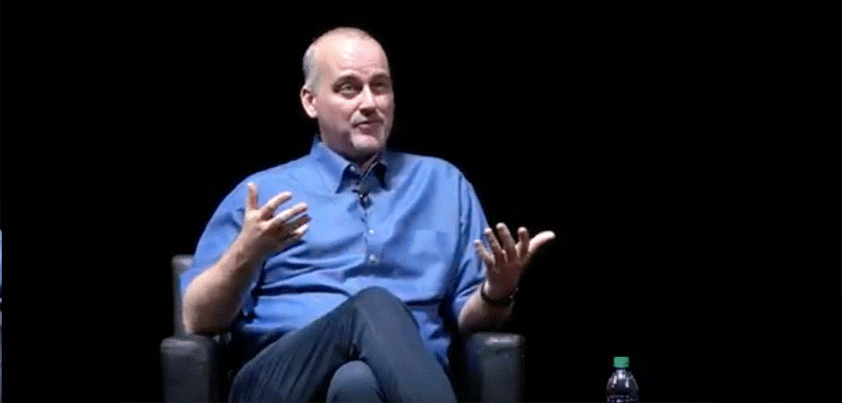
The decision to pivot represents a shift in Apple’s engineering philosophy. Instead of layering AI features on top of an aging codebase, Rockwell stated Siri was “demolished” to allow for a “from the ground up” reconstruction. This ensures the AI isn’t just a wrapper for a large language model (LLM) but is integrated into the OS core.
What changes can users expect in the new Siri architecture?
The reconstruction introduces several structural changes that separate iOS 27 from previous versions. According to technical details provided by Rockwell, the new Siri is “deeply more capable” due to its foundation on new AI models.
- Native Multimodality: Siri is designed from the start to process various input types—voice, text, and visual data—simultaneously.
- Dedicated Siri Application: For the first time, Siri exists as a structuring application rather than just a background service.
- Unified Ecosystem: The experience is standardized across iPhone, iPad, Mac, Apple Watch, Vision Pro, CarPlay, and AirPods.
This unified approach solves a long-standing friction point. Previously, Siri’s capabilities varied wildly between a Mac and an Apple Watch. By using a single, modernized base, Apple ensures that a command given via AirPods triggers the same intelligence as one given on a Vision Pro.
How does “privacy by design” impact the new AI?
Apple is positioning privacy as a core technical constraint rather than a feature added after development. Rockwell noted that privacy is “by design,” meaning the architecture determines how data is handled before the AI models are even trained.
This likely involves a hybrid processing model. While many AI competitors rely heavily on cloud-based processing, Apple’s approach typically emphasizes on-device execution to keep personal data off external servers. This mirrors the strategy seen in Apple’s broader privacy initiatives, where the hardware (Neural Engine) is optimized specifically for the software’s privacy requirements.
How does this compare to other AI assistants?
The contrast between Apple’s “scorched earth” approach and the growth of competitors is stark. While Google and Microsoft have integrated LLMs (like Gemini and GPT) into existing assistants via API layers, Apple’s rebuild suggests a desire for deeper OS integration.
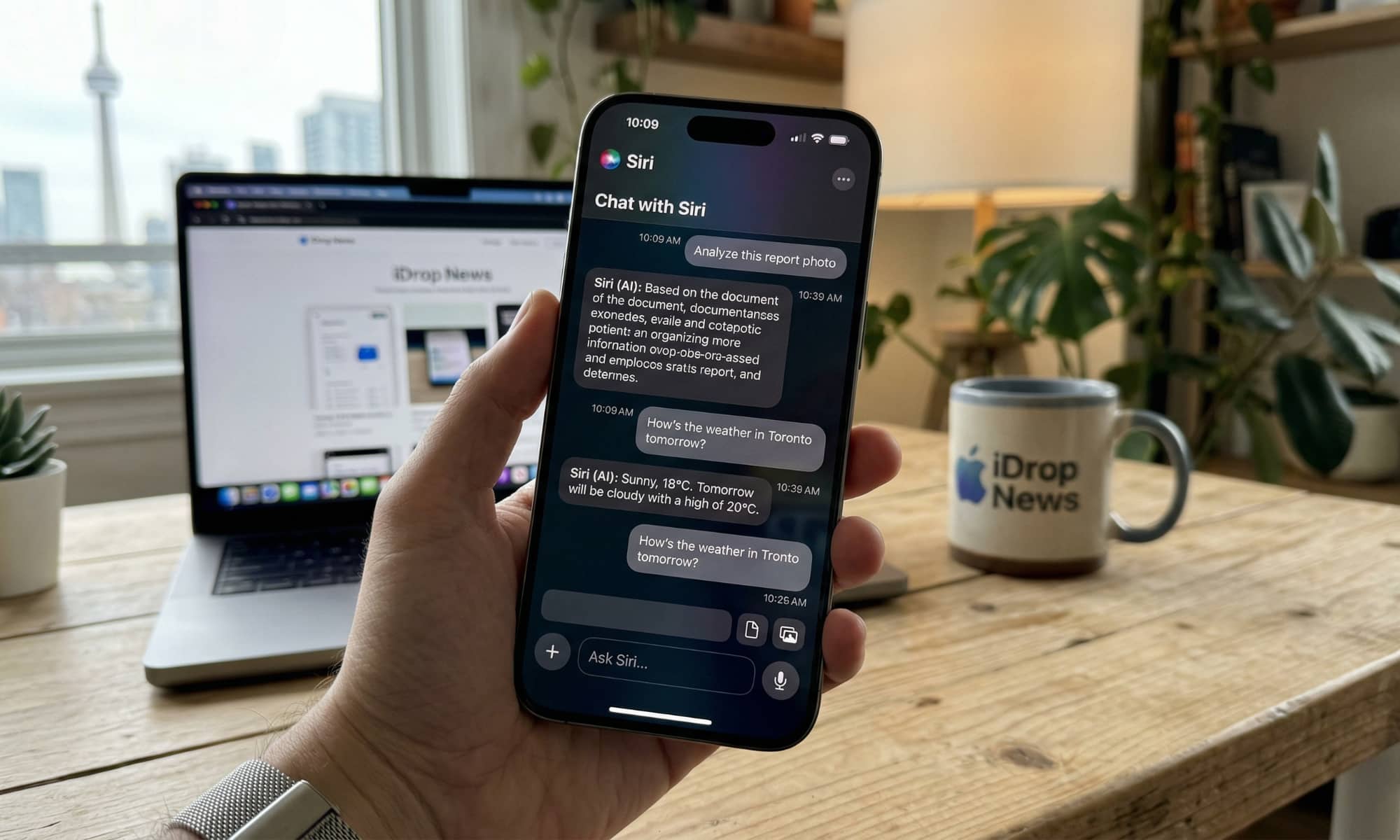
By building a dedicated app and a native multimodal base, Apple avoids the “latency lag” often associated with assistants that have to pass requests through multiple legacy layers before reaching the AI model. This architectural choice is a direct attempt to fix the “Siri is slow” reputation that has persisted for years.
Frequently Asked Questions
Will the new Siri work on older iPhones?
While Apple hasn’t released a full hardware list, the reliance on new AI models and “privacy by design” typically requires the latest Neural Engine hardware found in recent chips.
What does “multimodal” actually mean for the user?
It means Siri can understand context from multiple sources. For example, you could point your camera at a broken appliance and ask, “How do I fix this?” and Siri will process both the image and your voice command together.
Why did it take so long to release these updates?
According to Mike Rockwell, Apple abandoned an earlier, more limited version of the AI update to ensure the final product was a complete reconstruction rather than a minor improvement.
Want to stay updated on the evolution of AI in your pocket?
Join our newsletter for deep dives into the latest OS leaks and technical breakdowns, or leave a comment below: Do you think a total rebuild was the right move for Apple?