
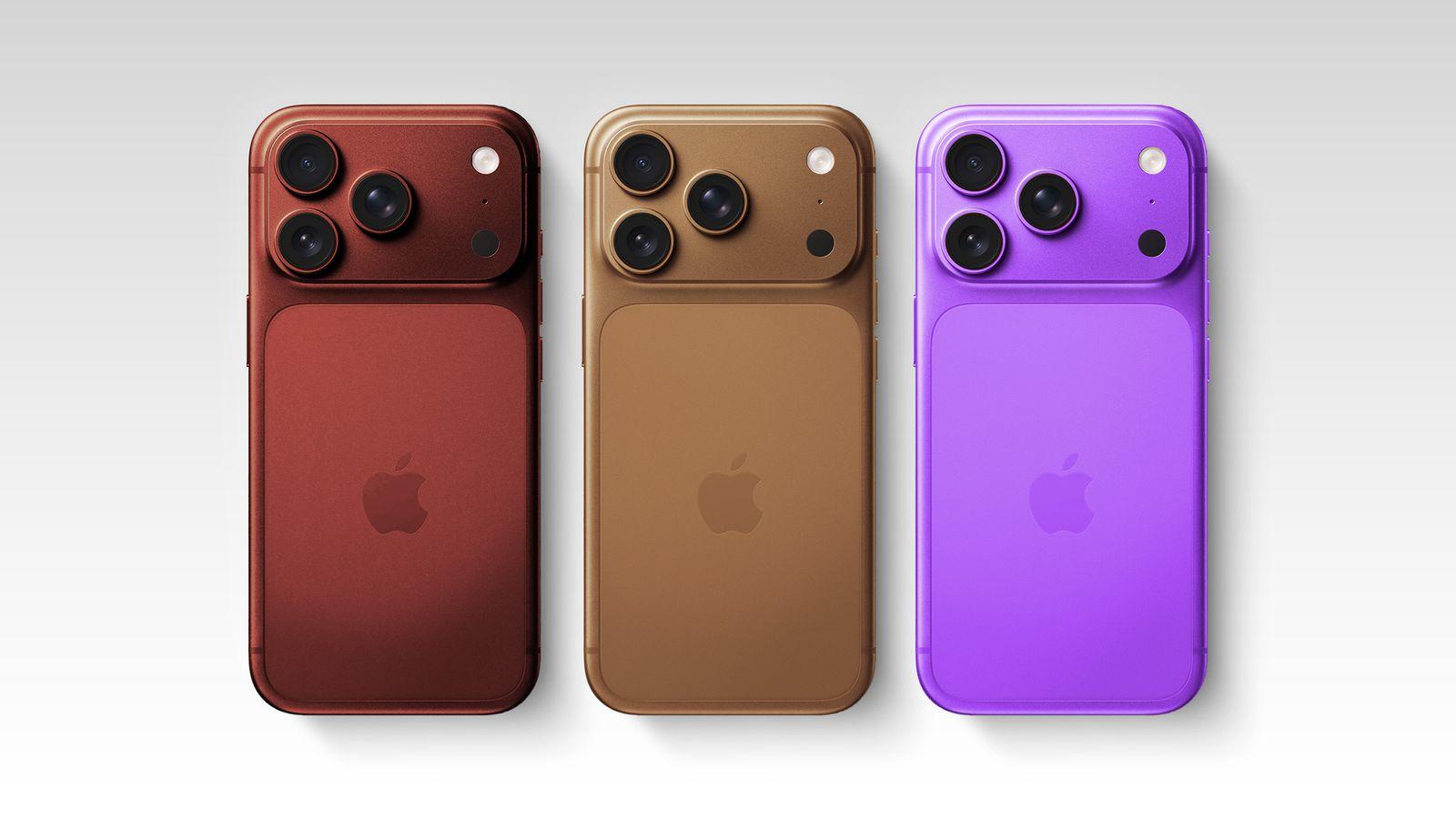
iPhone 18 Pro Battery Capacity Leak Reveals Disappointing Capacity Gains
The Battery Bottleneck: Why Apple’s Incremental Strategy Could Cost Them
For years, the smartphone industry has been locked in a silent arms race, and for many users, the primary battlefield isn’t the camera or the screen resolution—it’s the battery. As rumors swirl regarding the upcoming iPhone 18 Pro, reports suggest Apple is sticking to a conservative path. While competitors are aggressively pivoting toward silicon-carbon battery technology to push past the two-day endurance barrier, Cupertino seems content with marginal gains.
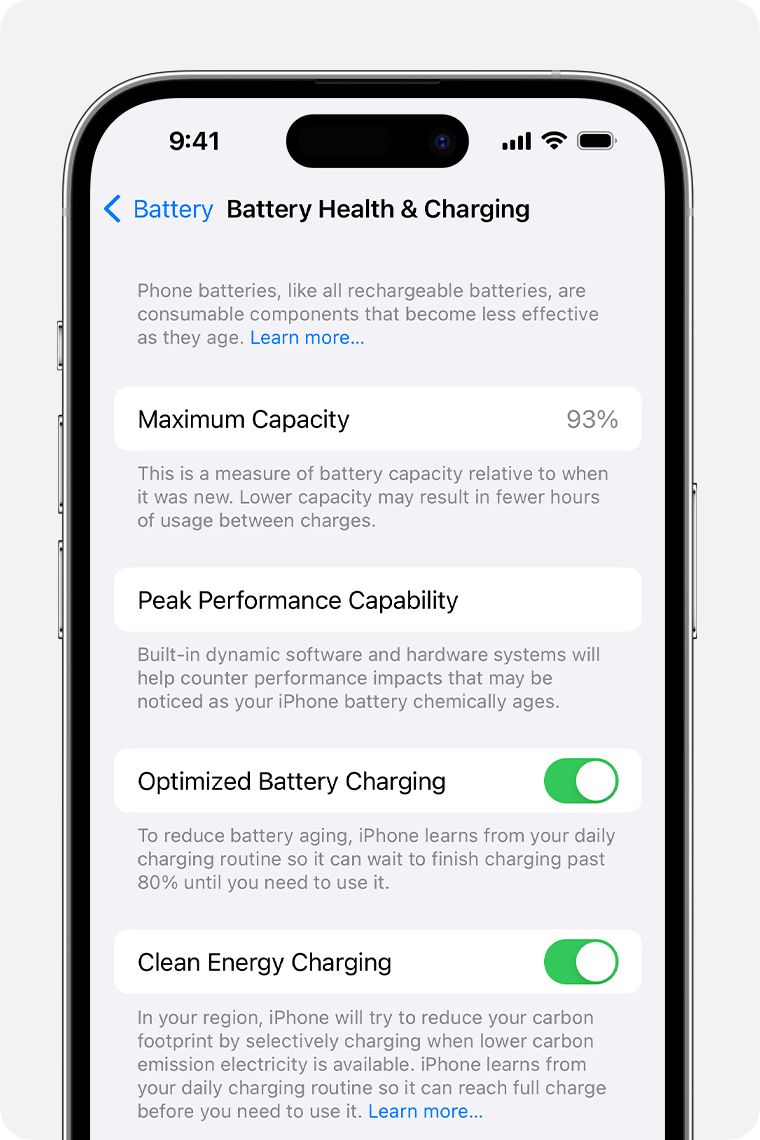
The latest data points to a modest increase in milliampere-hours (mAh) that barely registers as a meaningful upgrade. For power users who demand reliability, this “statistically insignificant” growth raises a critical question: Is Apple’s focus on software optimization enough to keep pace with an industry moving toward hardware-level longevity?
The 2nm Advantage: Can Software Efficiency Save the Day?
Apple’s strategy has always leaned heavily on the synergy between hardware and software. With the transition to the A20 Pro processor, built on a cutting-edge 2nm lithography process, there is a glimmer of hope. Smaller transistors generally equate to better power efficiency, meaning the phone can do more while consuming less energy.
However, efficiency can only do so much. As apps become more resource-heavy and 5G connectivity continues to demand constant power, there is a hard ceiling on what software optimization can achieve. If the physical capacity of the cell remains stagnant, the “all-day” battery life promise becomes increasingly fragile for users who rely on their devices for professional workflows.
The eSIM Dilemma and Global Disparity
One of the most frustrating trends for global consumers is the hardware disparity between regions. In markets where the eSIM-only model is standard, users benefit from slightly larger battery capacities due to the absence of a physical SIM tray. This creates a two-tier experience where one user gets better endurance than another simply based on their geography.
Industry Trends: Are Two-Day Batteries Becoming the New Standard?
Looking at the broader landscape, brands like Samsung and various Chinese manufacturers are experimenting with stacked battery designs and advanced cooling to accommodate larger capacities. The “two-day” battery threshold is no longer a niche feature; it is becoming a baseline expectation for flagship devices.
Apple’s hesitation to adopt these radical shifts is likely rooted in their commitment to device longevity and safety. Lithium-ion chemistry is predictable and safe at scale, whereas newer technologies are still being vetted for long-term degradation rates. Nevertheless, as the gap between Apple’s battery life and the competition widens, the pressure to innovate will only intensify.
Frequently Asked Questions
- Why doesn’t Apple just put a bigger battery in the iPhone?
It’s a balancing act. Increasing battery size often requires sacrificing internal space for cooling, cameras, or haptic engines. Apple prioritizes a slim, premium form factor over raw battery volume. - What is the difference between physical SIM and eSIM battery life?
The physical SIM tray and its associated reader take up valuable internal space. Removing this component allows engineers to slightly expand the battery cell, which is why eSIM-only models often feature a marginal capacity advantage. - Will the A20 Pro chip solve battery drain issues?
The 2nm process is significantly more efficient, which will help with thermal management and power draw. While it won’t replace the need for a larger battery, it will likely ensure that the new iPhone performs better than its predecessor despite the small capacity increase.
What is your take on the battery situation? Do you prioritize a thin, lightweight phone, or would you be willing to accept a slightly thicker device if it meant a true 48-hour battery life? Let us know in the comments below or subscribe to our newsletter for the latest updates on smartphone hardware trends.