

iPhone Fold: Apple’s First Foldable May Boast Massive Battery Life
Apple’s Foldable Future: A Deep Dive into Battery Tech and Beyond
The long-rumored foldable iPhone is still on the horizon, but recent leaks are painting a compelling picture – and it centres around battery life. Apple appears poised to make a significant leap in power capacity with its first foray into the foldable market, potentially addressing a key concern for consumers considering these devices.
The Battery Boost: Over 5,500mAh and Beyond
According to reports originating from Weibo via Fixed Focus Digital, Apple is planning a battery exceeding 5,500mAh for its foldable iPhone. This would represent a substantial upgrade compared to current iPhone models. For context, the iPhone 17 Pro Max is expected to max out at around 5,088mAh. This isn’t just incremental. it’s a strategic move to compete with established foldable players.
Further bolstering these claims, previous leaks from yeux1122 indicated Apple is actively testing battery capacities ranging from 5,400 to 5,800mAh. This testing isn’t solely about size; it’s coupled with efforts to miniaturize internal components and optimize power efficiency. Ming-Chi Kuo, a respected Apple analyst, has also highlighted the company’s use of higher-density battery cells – a crucial step in balancing size, weight, and performance.
Why Battery Life Matters in the Foldable Market
Foldable phones, by their very nature, often demand more power. The larger, flexible displays and the added complexity of the hinge mechanism contribute to increased energy consumption. Samsung, a pioneer in the foldable space, has faced criticism regarding battery life in some of its Galaxy Z Fold models. Apple is clearly aiming to avoid this pitfall.
Currently, leading foldable devices like the Huawei Mate X7, OPPO Find N5, and Honor Magic V series all feature batteries in the 5,000-5,500mAh range. Apple’s potential move to exceed this capacity positions it to be immediately competitive. A larger battery isn’t the only factor, however. Apple’s tight integration of hardware and software is a key differentiator.
Did you know? Apple’s A-series chips are renowned for their power efficiency. In other words they can deliver impressive performance while consuming less energy compared to many Android counterparts. This efficiency will be crucial in maximizing the benefits of a larger battery.
Beyond Battery: What Else to Expect from Apple’s Foldable
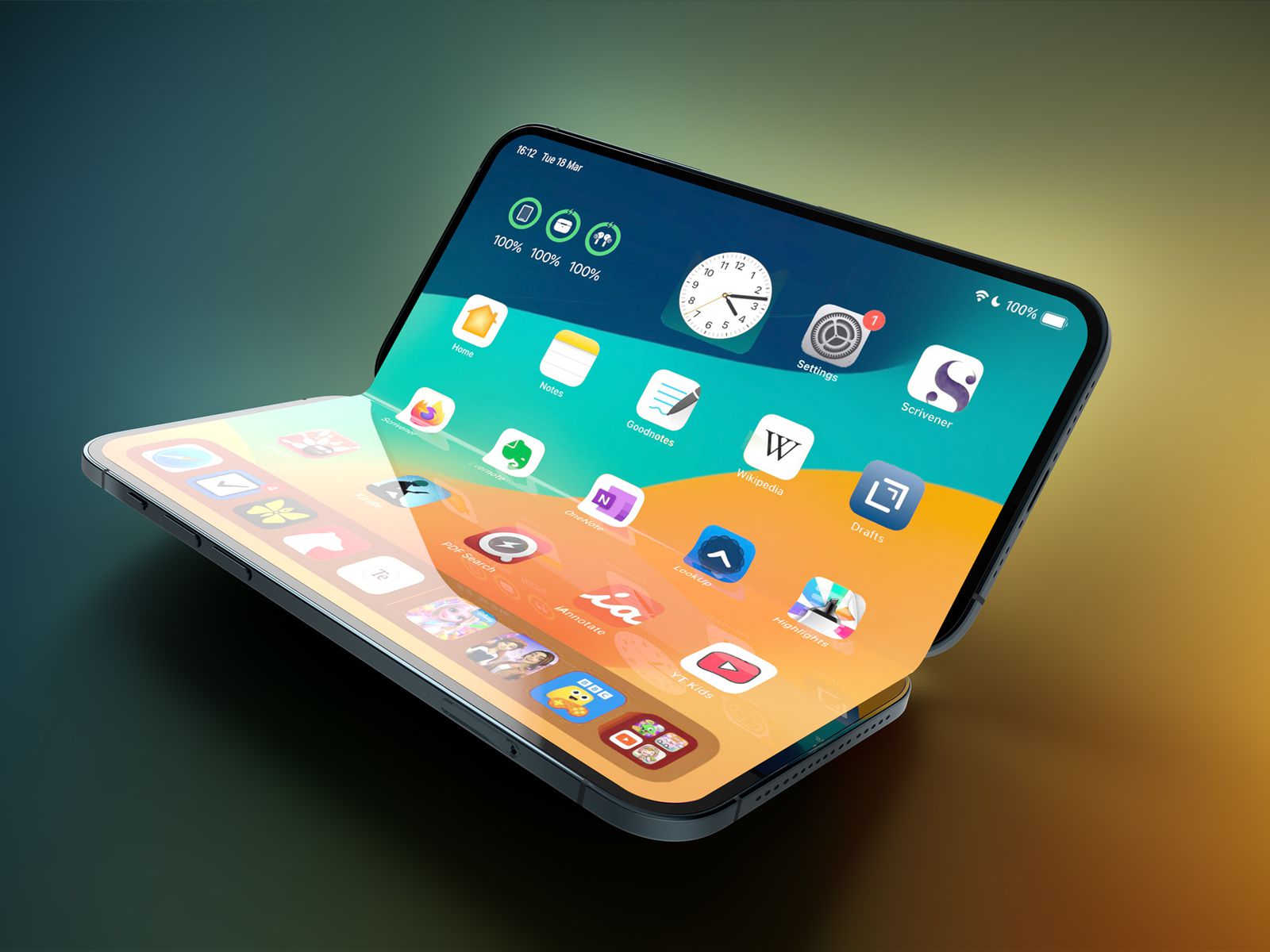
The focus on battery life is just one piece of the puzzle. Reports suggest the foldable iPhone will feature a 7.8-inch inner display, a 5.5-inch outer display, and an integrated Touch ID sensor in the side button. A dual-camera setup and the latest A20 Apple chipset with a dedicated modem are also anticipated. The launch is currently projected alongside the iPhone 18 Pro series.
The foldable market is evolving rapidly. Early foldables were often bulky and expensive. Manufacturers are now focusing on refining designs, improving durability, and lowering prices. Apple’s entry is expected to further accelerate these trends.
The Rise of Battery Innovation in Smartphones
Apple’s potential battery strategy highlights a broader trend in the smartphone industry: a relentless pursuit of improved battery technology. Beyond simply increasing capacity, manufacturers are exploring new materials and designs.
Pro Tip: Look for smartphones utilizing silicon anode batteries. These offer higher energy density than traditional graphite anodes, potentially leading to significantly longer battery life in the future. Companies like Samsung are already investing heavily in this technology.
Solid-state batteries are another promising avenue. These batteries replace the liquid electrolyte with a solid material, offering increased safety, higher energy density, and faster charging speeds. While still in development, solid-state batteries are widely considered the next major leap in battery technology. The U.S. Department of Energy is actively funding research in this area.
The Competitive Landscape: Foldables and Beyond
The foldable market is currently dominated by Samsung, but competition is intensifying. Huawei, OPPO, and Honor are all making significant strides. Apple’s entry will undoubtedly shake things up, potentially driving down prices and accelerating innovation. However, the success of Apple’s foldable will depend not only on its specifications but also on its software experience and ecosystem integration.
FAQ: Apple’s Foldable iPhone and Battery Life
- Will the foldable iPhone have the best battery life of any foldable? Potentially. Apple’s software optimization and efficient chips could give it an edge, even with a similar battery capacity to competitors.
- When is the foldable iPhone expected to launch? Current reports point to a September 2026 launch, alongside the iPhone 18 Pro series.
- What is a higher-density battery cell? It’s a battery cell that can store more energy in the same amount of space, allowing for a larger capacity without increasing the overall size of the battery.
- Will the foldable iPhone be expensive? Foldable phones are generally more expensive than traditional smartphones. Expect a premium price tag.
What are your thoughts on Apple entering the foldable market? Share your predictions in the comments below!
Explore more: Read our latest reviews of the top foldable phones of 2024 | Sign up for our newsletter to stay updated on Apple news and rumors