
Iran Accuses NATO of Active Involvement in US War Following Rutte’s Comments
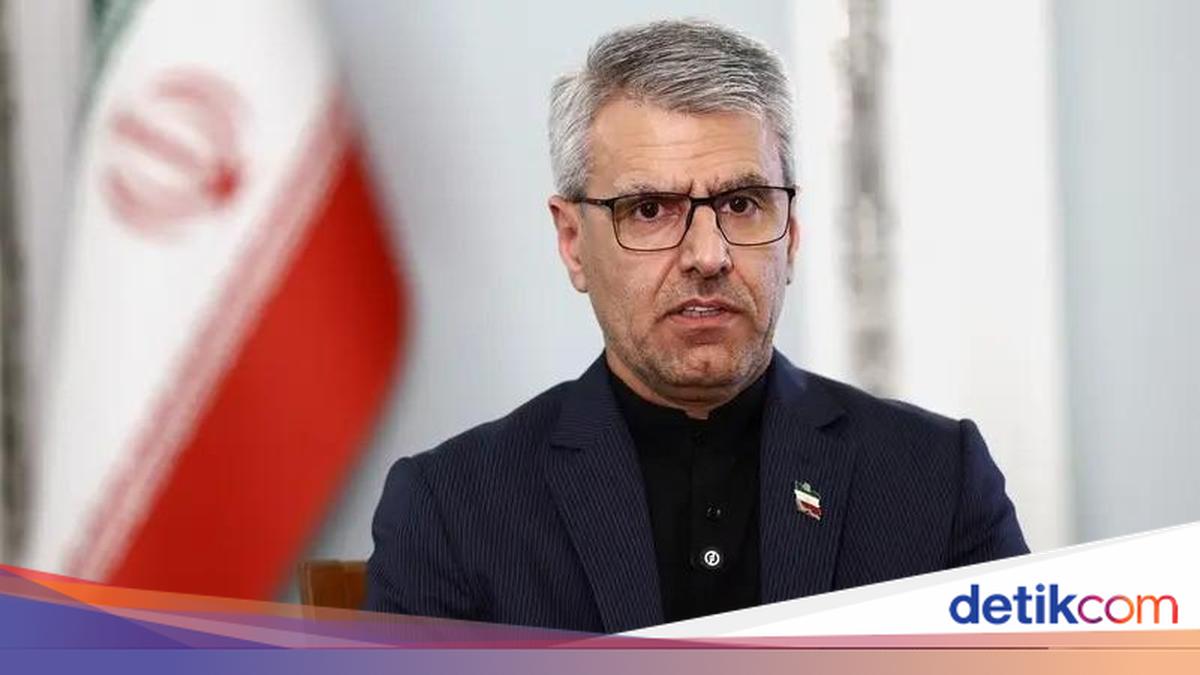
The Iranian government has formally accused NATO of active involvement in the ongoing conflict between the United States, Israel, and Iran, following public comments from NATO Secretary-General Mark Rutte. Iranian Foreign Ministry spokesperson Esmaeil Baghaei stated on Thursday, June 25, 2026, that the alliance’s logistical support for U.S. operations constitutes a violation of international law and the UN Charter.
Did You Know? During the military operations identified as “Operation Epic Fury,” NATO Secretary-General Mark Rutte reported that approximately 4,000 to 5,000 military aircraft utilized European bases to support U.S. efforts.
Why Iran Alleges NATO Involvement
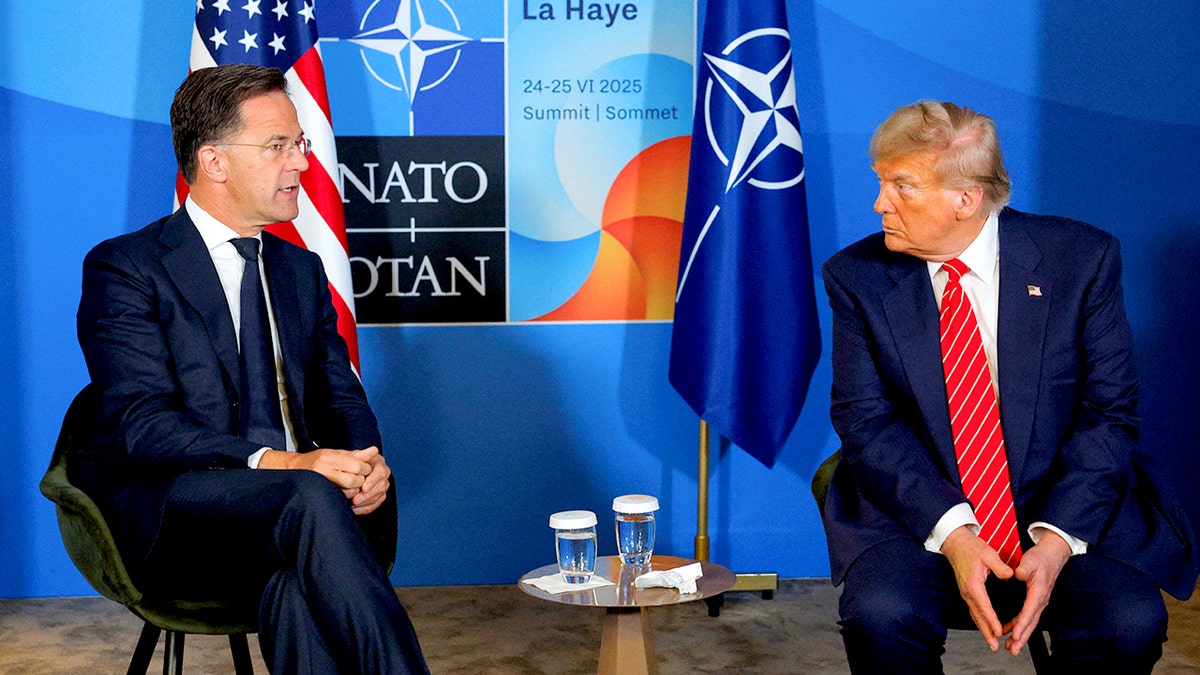
The diplomatic friction stems from disclosures made by Mark Rutte during a recent interview with Fox News. Rutte confirmed that NATO allies provided essential basing support for U.S. operations, specifically noting that Italian bases hosted hundreds of U.S. military aircraft and that Romania reduced commercial air traffic to accommodate U.S. tanker planes.
Esmaeil Baghaei characterized these revelations as a “clear and incriminating admission” of NATO’s role in what he described as an “illegal war of aggression.” According to the Iranian government, the use of sovereign European territory to launch military sorties against Iran breaches the foundational principles of the UN Charter and established international norms.
Divergent Perspectives Among Allies
The disclosure has created internal tension within the alliance. While President Donald Trump recently expressed frustration regarding the perceived lack of support from NATO members for U.S. military objectives in the Middle East, individual nations have sought to qualify their involvement.

The Italian Ministry of Defense issued a rebuttal to Rutte’s comments, asserting that the Secretary-General provided a “highly misleading message.” Italian Defense Minister Guido Crosetto clarified that Rome authorized only “non-kinetic” technical and logistical activities, maintaining that all support provided remains strictly within the bounds of the Italian Constitution and international agreements.
What Could Happen Next
The fallout from these disclosures may lead to a more rigid interpretation of “logistical support” by European NATO members to avoid further diplomatic escalation with Tehran. As the conflict continues, analysts expect that member states will likely increase their focus on domestic legal compliance to prevent being categorized as “active participants” in the eyes of international observers.
Furthermore, the friction between the White House and NATO allies over the scale of support for Operation Epic Fury is likely to persist. If the U.S. continues to press for deeper integration of European infrastructure in its Middle East operations, the alliance may face significant internal debate regarding the definition of its collective defense mandate.
Frequently Asked Questions
What is “Operation Epic Fury”?
Operation Epic Fury is the military designation provided by NATO Secretary-General Mark Rutte for the U.S. military operations against Iran.
How has Italy responded to claims of its involvement?
The Italian Ministry of Defense stated that it only permitted “non-kinetic” technical and logistical activities, arguing that Rutte’s comments were misleading because they conflated different types of flight permissions.
What is the basis for Iran’s accusation against NATO?
Iran cites the use of European military bases—specifically in Italy and Romania—by U.S. aircraft as evidence of NATO’s “active involvement” and a violation of the UN Charter.
How do you think international law should define the boundary between logistical support and active participation in a foreign conflict?