

Iran Accuses US of Ceasefire Violation After Missile Strikes
Tensions have escalated between the United States and Iran following U.S. Military strikes on Iranian targets, leading Tehran to accuse Washington of violating a ceasefire. While the U.S. Maintains that the truce remains intact, the incident has cast doubt on the stability of ongoing peace negotiations.
U.S. Strikes and Iranian Response
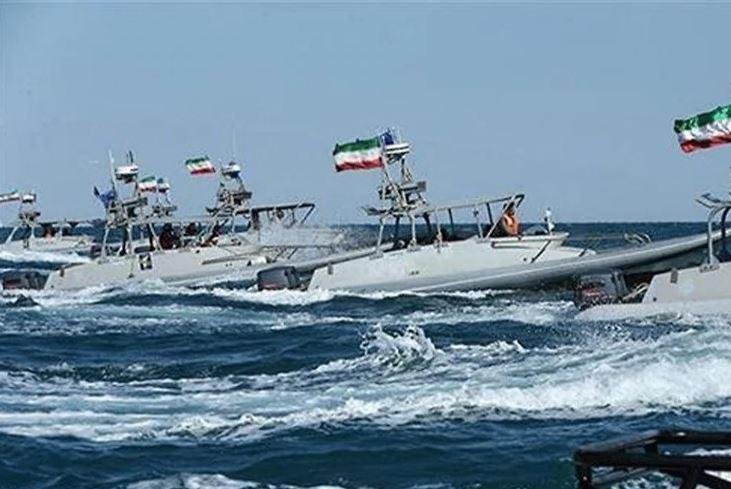
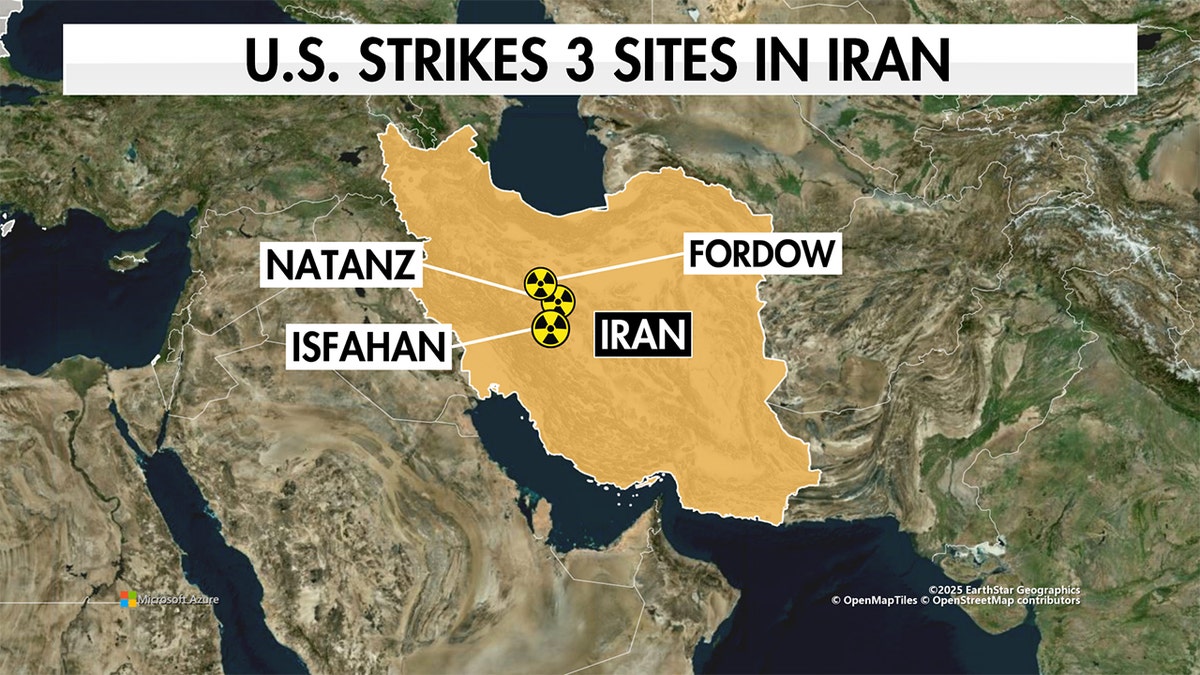
The U.S. Military conducted strikes against Iranian missile launch sites and boats that were allegedly attempting to lay mines in the Strait of Hormuz. Officials described these actions as “self-defense” and stated they were carried out with restraint to respect the weeks-long ceasefire.
Iran has rejected this characterization, accusing the U.S. Of acting in “bad faith.” The Iranian Foreign Ministry issued a statement condemning the action as a ceasefire violation by the “U.S. Terrorist military,” asserting that no act of aggression would go unanswered.
In Tehran, public defiance has manifested in large-scale displays, including a banner depicting President Trump’s mouth stitched shut with a ribbon shaped like the Strait of Hormuz, signaling that the U.S. Had reached “the breaking point.”
Nuclear Negotiations and Diplomatic Friction
Despite the military friction, both nations have cited progress toward an initial deal that could lead to further discussions regarding Iran’s nuclear program. Secretary of State Marco Rubio stated that the strikes would not set back peace talks, though he noted that finalizing details could take several days.
A point of contention remains the handling of highly enriched uranium. President Trump indicated on social media that such material would be “destroyed in place or at another acceptable location,” witnessed by the Atomic Energy Commission or an equivalent body.
Iranian officials have expressed a willingness to export highly enriched uranium to the IAEA, the U.N.’s nuclear watchdog, but have explicitly refused to send it to the U.S. There has been no public confirmation that Iran will restrict its nuclear program, which Tehran maintains is for civilian use only.
Escalation in Lebanon
The regional instability extends to Lebanon, where a U.S.-brokered ceasefire is described as remaining “in name only.” Israeli Prime Minister Benjamin Netanyahu has ordered heavier and more frequent strikes against Iran-backed Hezbollah militants.
Recent overnight strikes leveled entire blocks in Eastern and Southern Lebanon, resulting in at least a dozen deaths. The IDF is currently operating with large forces on the ground to seize controlled areas.
Israeli military officials stated that operations will push past the “yellow line” of demarcation near the southern border. Israel has indicated it will not withdraw until Hezbollah no longer poses a threat to northern villages.
Potential Future Developments
The stability of the region may depend on whether Iran provides a response to the latest outlines of the peace deal. A possible next step could involve further negotiations on the fate of Iran’s nuclear program, provided both sides can settle disagreements over specific wording in the agreement.
the conflict in Lebanon could expand as Israeli forces push further north, which may increase the risk of wider regional escalation if the ceasefire continues to deteriorate.
Frequently Asked Questions
Why did the U.S. Carry out strikes in Iran?
The U.S. Military stated the strikes were taken in self-defense against missile launch sites and boats that were attempting to lay mines in the Strait of Hormuz.
What is the disagreement regarding Iran’s enriched uranium?
President Trump suggested the uranium be destroyed in place or at an acceptable location under witness, while Iranian officials stated they are willing to export it to the IAEA, but not to the United States.
What is happening with the ceasefire in Lebanon?
Although a U.S.-brokered ceasefire exists, Israel has escalated its offensive against Hezbollah, with troops pushing past the yellow line of demarcation and conducting strikes that have killed at least a dozen people.
Do you believe diplomatic negotiations can succeed while military strikes continue in the region?