
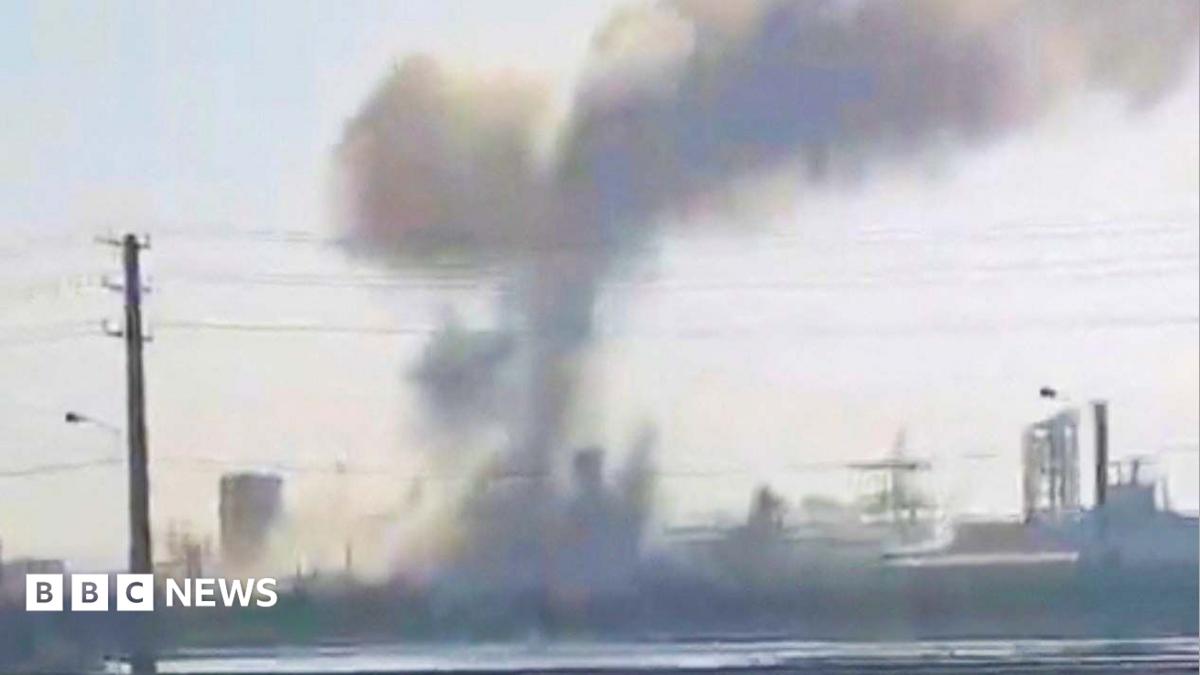
Iran and Israel say they will pause strikes but warn of retaliation if ceasefire breached again
Israel is continuing military operations in southern Lebanon, citing ceasefire violations by Hezbollah, while Iran warns it will resume attacks if these strikes persist. This escalation follows a cycle of petrochemical plant strikes between the IRGC and the IDF and diplomatic intervention from the US and Pakistan.
Why is Israel continuing operations in southern Lebanon?
The Israel Defense Forces (IDF) have ordered residents in southern Lebanon to evacuate. This move comes as the military prepares for action based on “Hezbollah’s violation of the ceasefire agreement,” according to the IDF.

Defense Minister Israel Katz stated the military will continue to operate in the region. Prime Minister Benjamin Netanyahu added that the fight with both Hezbollah and Iran is not yet over.
How has Iran responded to the strikes?
Iran recently stated it had ceased attacks on Israel. However, Tehran warned it would resume these operations if Israel continues its strikes in Lebanon.
President Masoud Pezeshkian posted on X that Iran “will not retreat in the face of any threat.” This follows reports that both nations had previously agreed to halt attacks after Tehran responded to Israeli strikes in Beirut.
What are the international reactions to the escalation?
The White House confirmed that US President Donald Trump and Benjamin Netanyahu held a call to discuss the exchanges of fire between Iran and Israel.
From Asia, Pakistan’s Prime Minister Shehbaz Sharif urged all sides to exercise restraint. He noted this is especially critical as “the final objective is just about to be achieved.”
In Europe, the EU’s foreign policy chief Kaja Kallas announced sanctions against Iranians. These measures were taken due to the restriction of naval traffic in the Strait of Hormuz.
What could happen next in the region?
Further military action in southern Lebanon may trigger a resumption of Iranian attacks on Israel. This is likely if Tehran follows through on its warning regarding Israeli operations in Lebanon.

Diplomatic efforts could intensify, as seen with the recent call between President Trump and Prime Minister Netanyahu. A possible next step involves further international pressure or sanctions, similar to the actions taken by the EU.
Frequently Asked Questions
Why did the IDF order evacuations in southern Lebanon?
The IDF cited Hezbollah’s violation of the ceasefire agreement as the reason for ordering residents to evacuate ahead of military action.
What is Iran’s current position on attacking Israel?
Iran said it has ceased attacks but will resume them if Israel continues strikes in Lebanon; President Masoud Pezeshkian stated the country “will not retreat.”
Why did the European Union impose sanctions on Iranians?
According to EU foreign policy chief Kaja Kallas, the bloc sanctioned Iranians for restricting naval traffic in the Strait of Hormuz.
How do you think international diplomacy will impact the current ceasefire stability in the region?