
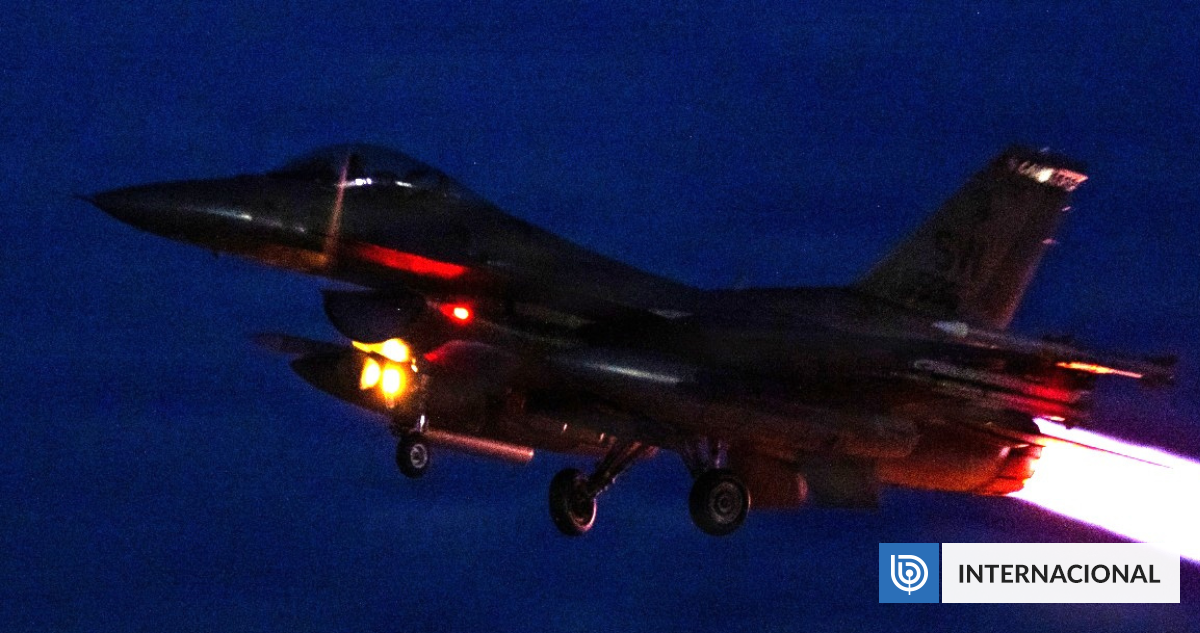
Iran Declares Ceasefire Void Following New US Airstrikes
The Iranian Ministry of Foreign Affairs declared Thursday that the April 8 ceasefire is effectively nullified following two consecutive days of United States military strikes against Iranian territory. Tehran has formally held the American leadership responsible for the “dangerous consequences” of these actions, which targeted locations in southern Iran, the city of Karaj near Tehran, and the coastal city of Gorgan.
Escalation and Strategic Response
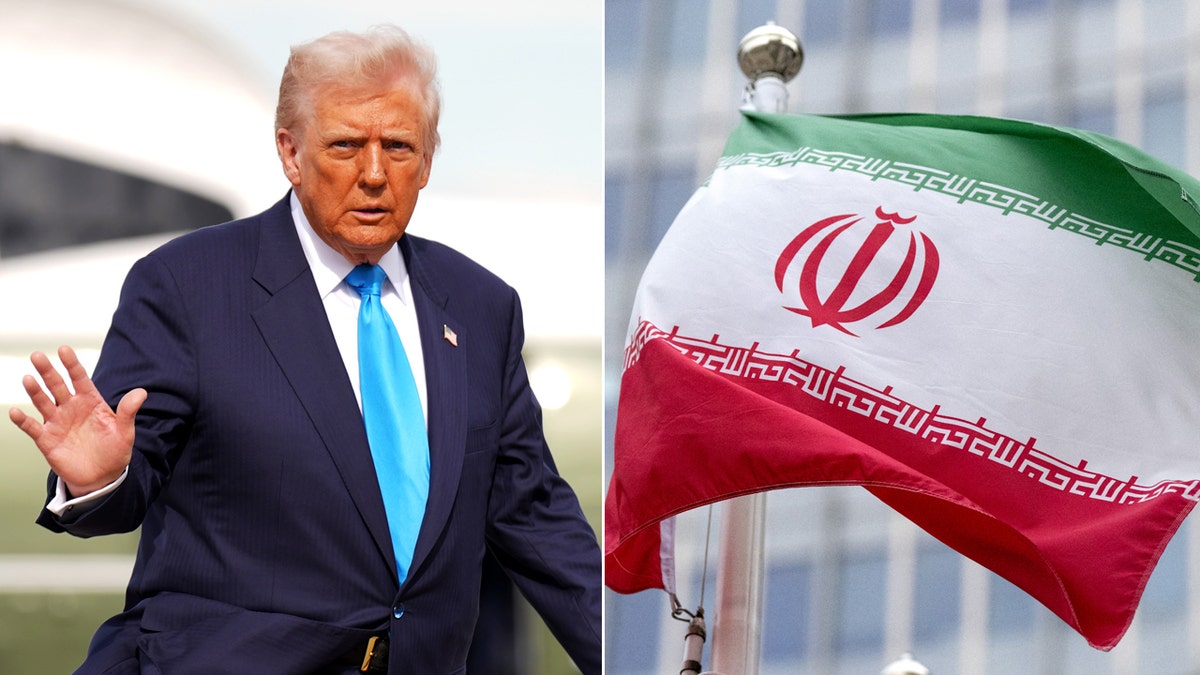
The recent military operations represent the most significant escalation between the two nations since the ceasefire began in April. This surge in hostilities follows comments from U.S. President Donald Trump regarding the pace of negotiations for a potential agreement. In response to the U.S. strikes, Iran has launched counter-attacks against American bases in Kuwait, Jordan, and Bahrain. Furthermore, the Iranian government has announced the closure of the Strait of Hormuz, a critical maritime passage that had been operating with limited vessel traffic in recent weeks.
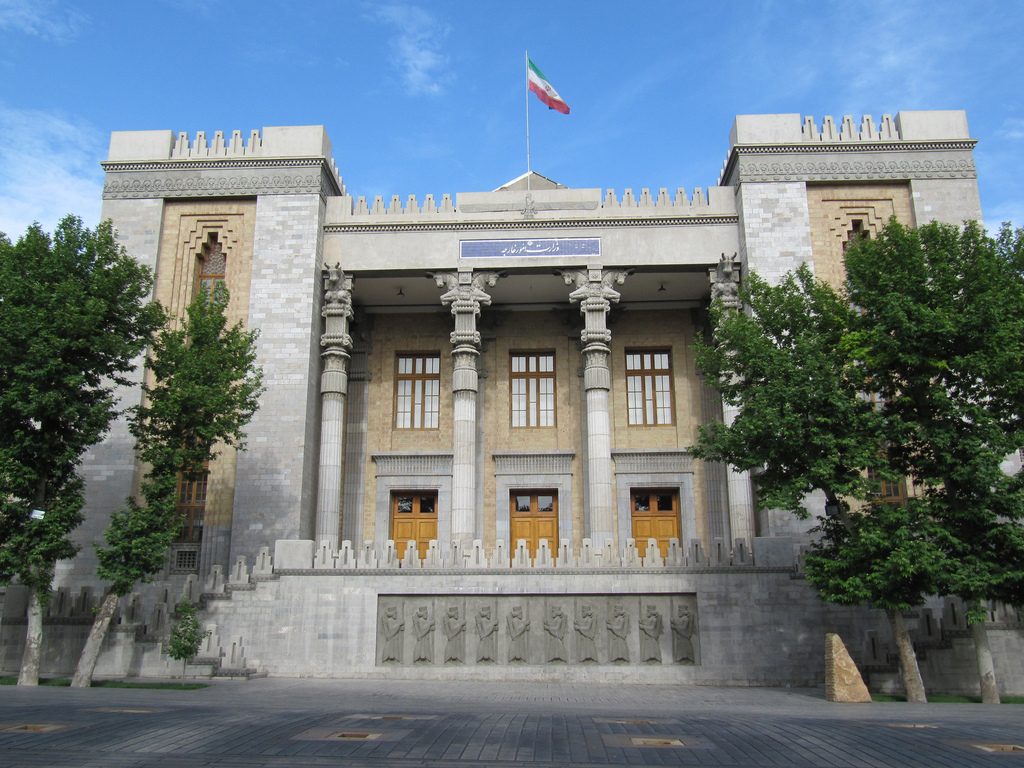
Diplomatic and Territorial Tensions
The Iranian Ministry of Foreign Affairs characterized the U.S. strikes as a “flagrant violation” of the United Nations Charter and international law concerning national sovereignty. In a formal statement, the ministry asserted its “inherent right to legitimate defense” against what it described as military aggression. Tehran also issued a warning to Persian Gulf nations, stating that by allowing the U.S. to utilize their territory for military operations, these countries have positioned themselves “on the side of the aggressor.” According to the statement, these regional neighbors now hold a legal and moral obligation to prevent future attacks.
What May Happen Next
Analysts expect that the closure of the Strait of Hormuz could lead to significant disruptions in maritime trade and further increase regional instability. Given the Iranian government’s stated determination to “neutralize the origin and source” of the attacks, a possible next step includes continued military exchanges between Iranian forces and U.S. installations in the region. Observers are likely to watch for any shifts in the diplomatic posture of Gulf nations, as they face mounting pressure to choose between facilitating U.S. operations and maintaining regional neutrality.
Frequently Asked Questions
What triggered the current escalation?
The escalation follows two days of U.S. bombing raids on Iranian territory, which occurred after President Donald Trump stated that Iran had taken too long to negotiate a potential agreement.
What is the status of the April 8 ceasefire?
The Iranian Ministry of Foreign Affairs has declared that the ceasefire is “in practice” no longer in effect due to the recent U.S. strikes.
How has Iran responded to the U.S. strikes?
Iran has launched counter-attacks against U.S. bases in Kuwait, Jordan, and Bahrain, and has officially closed the Strait of Hormuz to shipping.
How do you believe the closure of such a critical maritime route will influence the upcoming diplomatic efforts?