
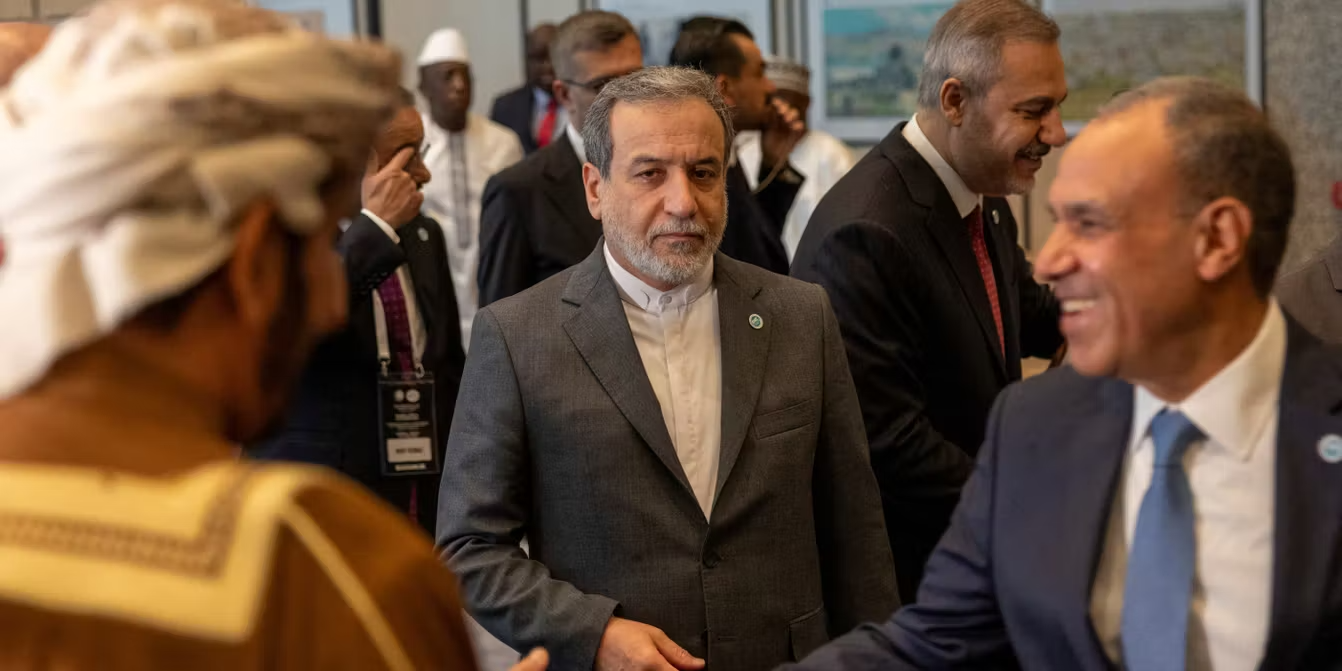
Iran Demands Israel Leave Lebanon Before War Can End
A tentative peace framework between the United States and Iran has hit a major impasse as Tehran demands a total Israeli withdrawal from southern Lebanon. While Washington and Tehran report progress on trade and nuclear negotiations, Iranian Foreign Minister Abbas Araghchi stated that any lasting agreement must include the removal of Israeli forces from Lebanese territory. Israel has rejected this condition, with Prime Minister Benjamin Netanyahu informing U.S. officials that maintaining these positions is a national security necessity to prevent Hezbollah-led attacks.
Why is Lebanon the primary obstacle to peace?
The conflict in southern Lebanon acts as a proxy for the broader regional struggle between Tehran and Jerusalem. According to Iranian officials, a ceasefire that ignores the Lebanese front is incomplete and fails to address the core of the regional confrontation. Tehran views the withdrawal of Israeli troops as a non-negotiable condition for stability. Conversely, Israel maintains that its military presence is essential to block Hezbollah’s operational capacity near the border. This fundamental disagreement creates a “credibility test” for the deal, as Iran argues that peace cannot coexist with active military operations in neighboring states.

The Strait of Hormuz, a critical bottleneck for global energy markets, remains a central focus of the U.S.-Iran framework. Financial markets have shown volatility sensitivity to these negotiations, as any disruption in the region directly impacts global shipping and oil prices.
How do the U.S. and Iran view the negotiations?
The Biden administration and Iranian leadership are currently navigating a multi-phase process intended to lower regional tensions. U.S. President Donald Trump has confirmed that the talks are entering a second phase, with upcoming sessions scheduled in Switzerland. The proposed framework includes easing trade sanctions, reopening the Strait of Hormuz, and establishing a new dialogue on Iran’s nuclear program. However, the reliance on Lebanese security as a barometer for success suggests that the U.S. and Iran have moved beyond bilateral talks into a complex, multi-actor regional security architecture.

Can diplomacy bridge the Israel-Iran divide?
The prospects for a final agreement depend on whether negotiators can reconcile Iran’s demand for territorial sovereignty in Lebanon with Israel’s “operational freedom” doctrine. Israel has consistently ruled out a full withdrawal from southern Lebanon, citing the need to neutralize armed groups. This creates a sharp contrast in diplomatic goals: Iran seeks a comprehensive regional settlement, while Israel prioritizes localized, tactical security. According to analysts, this shift is unusual because it forces the U.S. to manage a regional conflict that involves more actors than just the primary signatories of the framework.
Pro tips for tracking regional stability
- Monitor the Strait of Hormuz: Watch for official reports on tanker traffic; this is often the first indicator of whether back-channel talks are yielding real-world results.
- Follow the Swiss Talks: The upcoming round in Switzerland is expected to address the specific enforcement mechanisms that Tehran and Washington failed to resolve in earlier drafts.
- Track Hezbollah’s Stance: As a key Iran-aligned group, Hezbollah’s rhetoric regarding “enforcement mechanisms” is a reliable signal of whether Iran is prepared to compromise or hold firm on its demands.
Frequently Asked Questions
What is the main point of contention in the U.S.-Iran talks?
The main point is the status of southern Lebanon. Iran insists on a full Israeli withdrawal, while Israel refuses to relinquish positions it deems vital for national security.
Are hostilities currently ongoing in the region?
Yes, while fighting has eased since the announcement of the framework, reports confirm that sporadic incidents between Israel and Hezbollah continue to occur.
What is the next step for the negotiations?
Negotiators are preparing for a second phase of talks in Switzerland to resolve implementation details and address the security architecture of the region.
Stay informed on shifting regional dynamics. Subscribe to our newsletter for deep-dive analysis on international security and trade, or explore our archive of recent reports on the Middle East peace process.