

Iran Lifts Longest Internet Ban Amid Internal Political Strife
The Iranian government has ended an 88-day nationwide internet blackout, though connectivity remains restricted to pre-February levels of state-monitored censorship. According to reporting by Thomas Gutersohn, the move follows a tense political standoff within the regime, where President Massud Peseschkian reportedly threatened to resign to override opposition from hardline factions within the Islamic Revolutionary Guard Corps. While access has been restored, citizens continue to rely on Virtual Private Networks (VPNs) to bypass the government’s “National Information Network,” as the country faces ongoing economic instability and high inflation.
Why did the Iranian government lift the 88-day blackout?
The decision to restore internet access was driven by an internal power struggle between the civilian government and the military establishment. President Peseschkian established a special administrative committee for cybersecurity to navigate the lifting of the ban. According to reports from exiled Iranian media, the committee faced significant resistance from hardliners. The deadlock only broke when the President leveraged his potential resignation to force the policy change. This event marks a rare, public fracture in the regime’s power structure, signaling that the administration is under immense pressure to address both internal dissent and economic collapse.
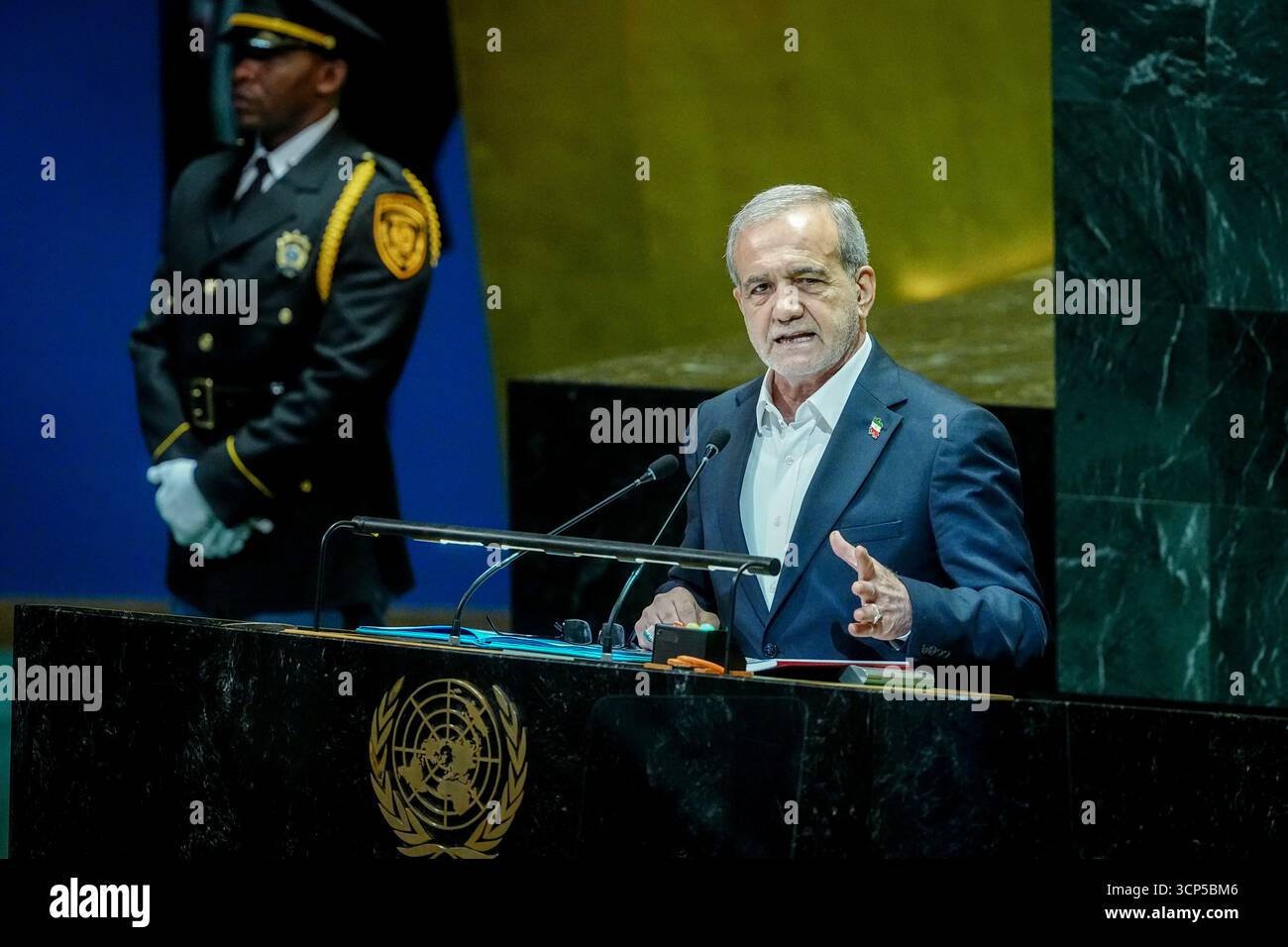
The 88-day blackout, triggered by attacks from the U.S. and Israel on February 28, is documented as one of the longest sustained nationwide internet outages in recent history.
What is the reality of “restored” internet access?
For the average user in Tehran, the internet is not truly free. According to local accounts and internet traffic data, current usage levels mirror the restricted state that existed before the February 28 attacks. Platforms such as Instagram, WhatsApp, and Telegram remain blocked or throttled, necessitating the use of VPNs. While the state-mandated “National Information Network”—a sanitized, government-controlled intranet—is no longer the only option, the digital landscape remains heavily filtered. Businesses with specific government permits may access “Internet Pro” services, but the vast majority of the population faces the same barriers to information that were in place following earlier protests regarding the devaluation of the rial.
How are citizens responding to the digital environment?
Public sentiment is defined by deep skepticism and exhaustion. Many Iranians refer to the current state as “Filternet,” a term reflecting the fear that the government is now monitoring data traffic more aggressively than before. An artist from northern Iran noted in a recent report that citizens view the current restoration as a temporary measure that could be reversed at any time. Beyond the technical limitations, the population is grappling with severe economic distress. Residents in cities like Arak report that prices for basic goods shift daily, leading to widespread social frustration and a perception that the government has failed to provide accountability for the ongoing economic crisis.
Comparison: Internet Censorship Levels
| Period | Status |
|---|---|
| Pre-February 2026 | High censorship; VPNs required for global access. |
| Feb 28 – May 2026 | Near-total blackout; reliance on state intranet. |
| Current Status | Return to pre-February censorship baseline. |
Frequently Asked Questions
Is the internet in Iran completely unrestricted now?
No. Access has returned to the pre-February 28 baseline, which still involves heavy filtering of global platforms and requires the use of VPNs for most international services.

What is the “National Information Network”?
It is a state-controlled intranet that restricts user access to government-approved websites, effectively cutting off the global internet during periods of civil unrest or conflict.
Why is there suspicion regarding the lifting of the ban?
Citizens remain wary because the government has demonstrated the ability to cut connectivity at will, and many fear the state is using the restoration to monitor traffic more closely.
Stay informed on the shifting geopolitical landscape. Subscribe to our newsletter for deep-dive analysis on international technology policy and regional stability.