
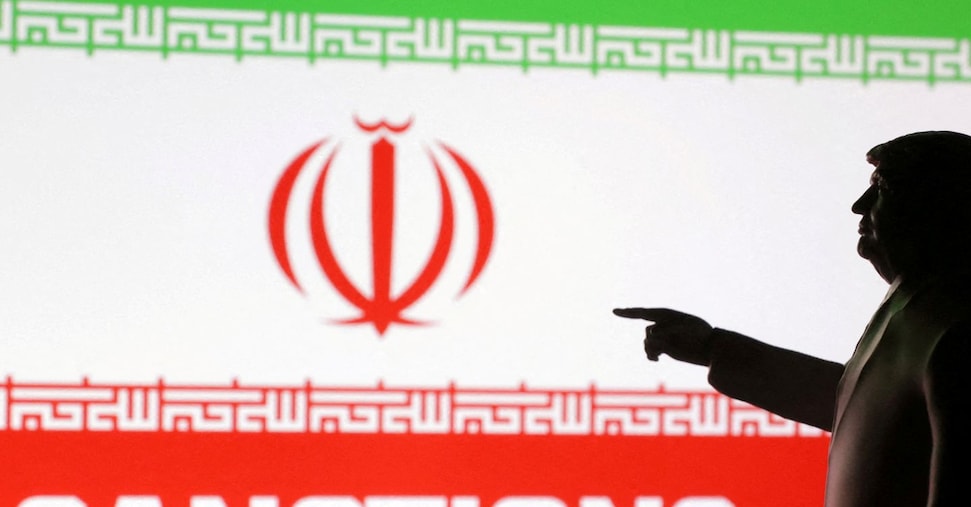
Iran Rejects IAEA Inspections of Nuclear Sites Amid Rising Tensions with US and Israel
The Iranian government has stated it will not permit International Atomic Energy Agency (IAEA) inspectors to access nuclear sites damaged during recent strikes by Israel and the United States. Foreign Minister Araghchi and spokesperson Baghaei confirmed Tehran’s position, asserting that no meetings with the IAEA director general have occurred and no inspections are currently planned for the affected facilities. This development creates a direct diplomatic impasse with the United States, as President Donald Trump maintains that onsite inspections are a mandatory component of the existing agreement.
Did You Know? The United States Senate has approved a war powers resolution aimed at blocking military action against Iran for the first time, marking the tenth attempt by the chamber to assert such authority over executive war-making powers.
Conflicting Claims on Nuclear Inspections
The dispute centers on whether site inspections were formally included in the recent diplomatic understanding between Washington and Tehran. President Trump rejected claims that inspections were absent from the deal, telling reporters that the agreement includes a “100% inspection” clause. He stated that he would cancel upcoming meetings if the reports suggesting a lack of access were accurate, though he noted there is “no rush” for the inspectors to arrive, provided they reach the ground at the “opportune time.” Conversely, Iranian officials remain firm in their refusal to allow monitoring of the damaged sites.
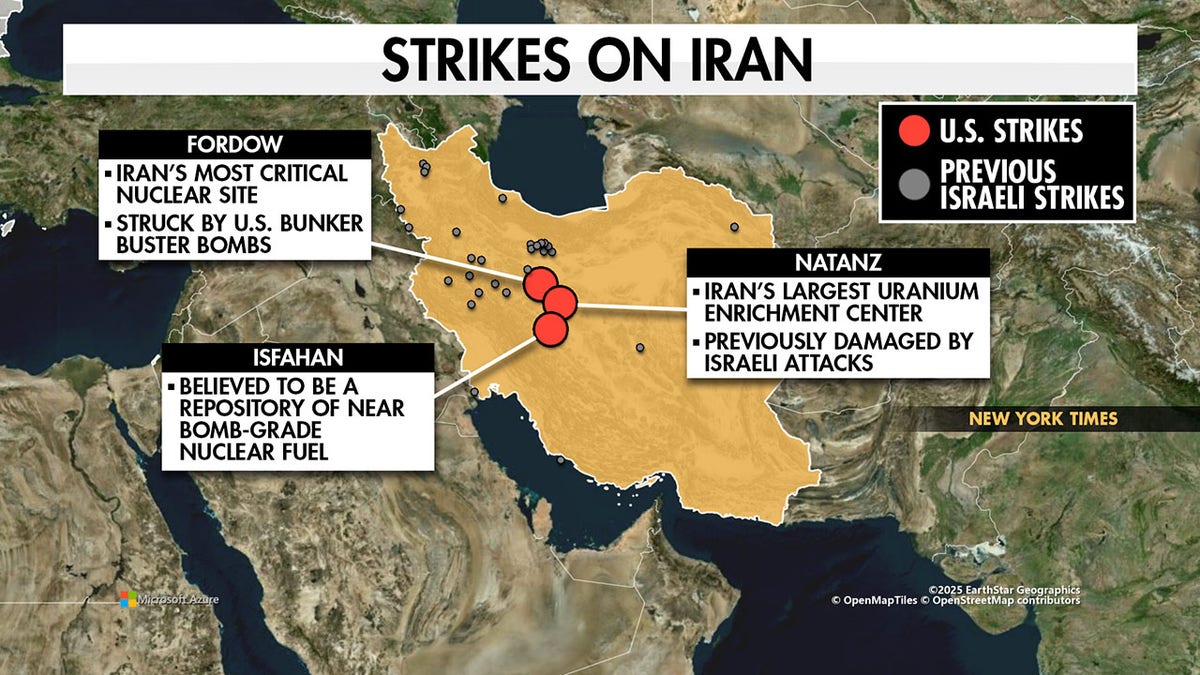
The Stance on Defense and Regional Security
Beyond the nuclear monitoring dispute, Iranian leadership has drawn a hard line regarding its military infrastructure. President Masoud Pezeshkian stated that Iran will never negotiate its defensive capabilities, specifically excluding the nation’s missile program from any memorandum of understanding. Reuters reported that Pezeshkian emphasized the need for regional stability through “sincere discussions” and cooperation, while simultaneously insulating military assets from diplomatic bargaining. This follows remarks from Tehran’s chief negotiator, Ghalibaf, who asserted that Iran intends to maintain control over the Strait of Hormuz in accordance with international norms.
Legislative and Military Context
Domestic pressure within the United States is mounting as the Pentagon seeks $80 billion from Congress to replenish munitions and military reserves, primarily to support operations related to the conflict with Iran. A growing number of Republican lawmakers in both the House and the Senate have voiced concerns regarding both the ongoing military engagement and the terms of the deal reached by the Trump administration to end it. These legislative concerns reflect the political friction surrounding the executive branch’s strategy to balance military preparedness with negotiated settlements.
Expert Insight: The divergence between Tehran’s refusal to allow inspections and the White House’s insistence on them highlights the fragility of current agreements. Samantha Carter notes that the stakes involve not only nuclear transparency but also the internal credibility of both administrations; any concession on missile programs or inspection access could trigger significant political fallout for both leaders as they manage domestic opposition.
Potential Future Developments
The situation remains volatile, with several potential outcomes likely as the parties navigate these conflicting public statements. If the IAEA is not granted access to the damaged sites, the United States could face a decision on whether to proceed with planned meetings or impose further pressure. Additionally, Israeli Prime Minister Benjamin Netanyahu’s declaration that “with Iran, it is not over” suggests that external military pressure may continue, potentially complicating further diplomatic progress. Analysts may expect continued tension in the Strait of Hormuz as Iran asserts its operational control despite international scrutiny.
Frequently Asked Questions
Will IAEA inspectors be allowed to visit Iran’s damaged nuclear sites?
According to Iran’s Ministry of Foreign Affairs, there is no intention to allow such inspections, and the government does not foresee the agency visiting the damaged facilities.
What is the U.S. government’s position on nuclear inspections?
President Trump asserts that inspections are a mandatory part of the agreement and that the deal includes a “100% inspection” clause, though he has not provided a specific date for when they will occur.
Is Iran willing to negotiate its missile program?
No. President Masoud Pezeshkian stated that Iran will never negotiate its defensive capabilities and that the missile program is not, and will never be, part of any memorandum of understanding.
How might the ongoing legislative debate in the U.S. Congress affect the future of the current diplomatic agreement with Iran?