
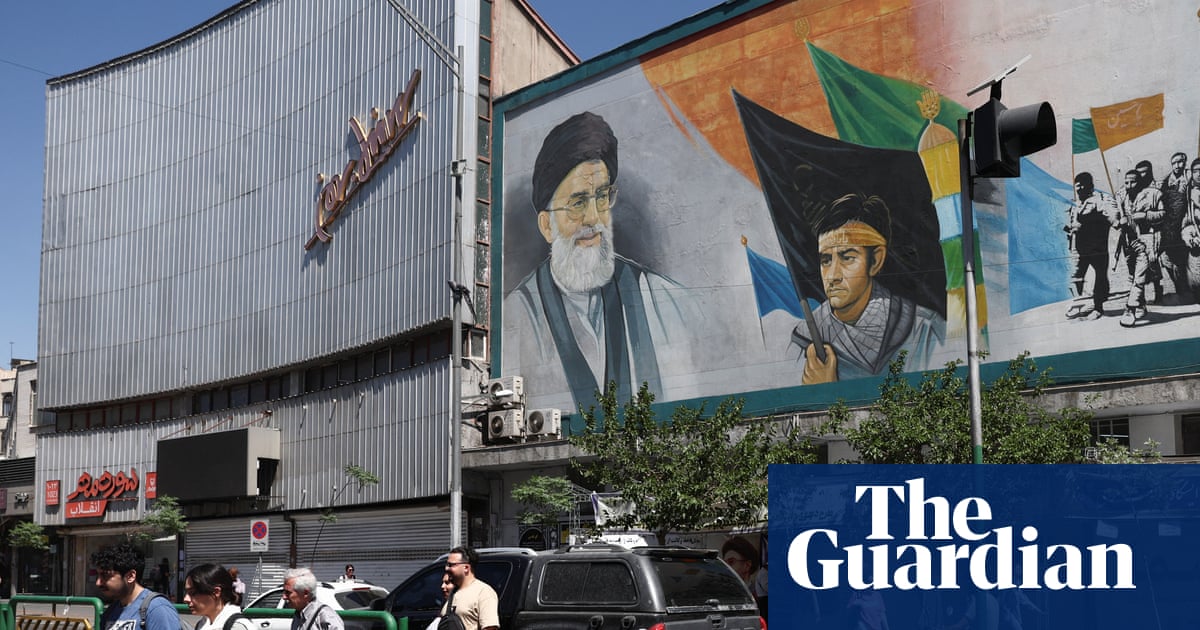
Iran Skeptical of Imminent US Deal Amidst Mounting Diplomatic Hurdles
The prospect of an imminent agreement between the United States and Iran remains uncertain, as Tehran has officially dampened expectations for a swift resolution. Esmail Baghaei, spokesperson for the Iranian negotiating team, stated that while a significant portion of the issues has been addressed, any claim that a formal signing is imminent is unfounded.
The negotiations are currently hindered by what Iranian officials describe as internal confusion within the U.S. Government and active interference by Israel. As the diplomatic landscape shifts, the fundamental terms regarding the nuclear program, the release of $12bn in frozen assets, and the management of the Strait of Hormuz remain points of intense friction.
The Points of Contention
A central disagreement persists over the treatment of Iran’s highly enriched uranium stockpile. While the U.S. Is pushing for a commitment to dispose of these materials, Iran has maintained that it will not permit the transfer of its stockpile to third nations like the U.S. Or Russia. Iran insists that any memorandum of understanding must include a ceasefire in Lebanon.

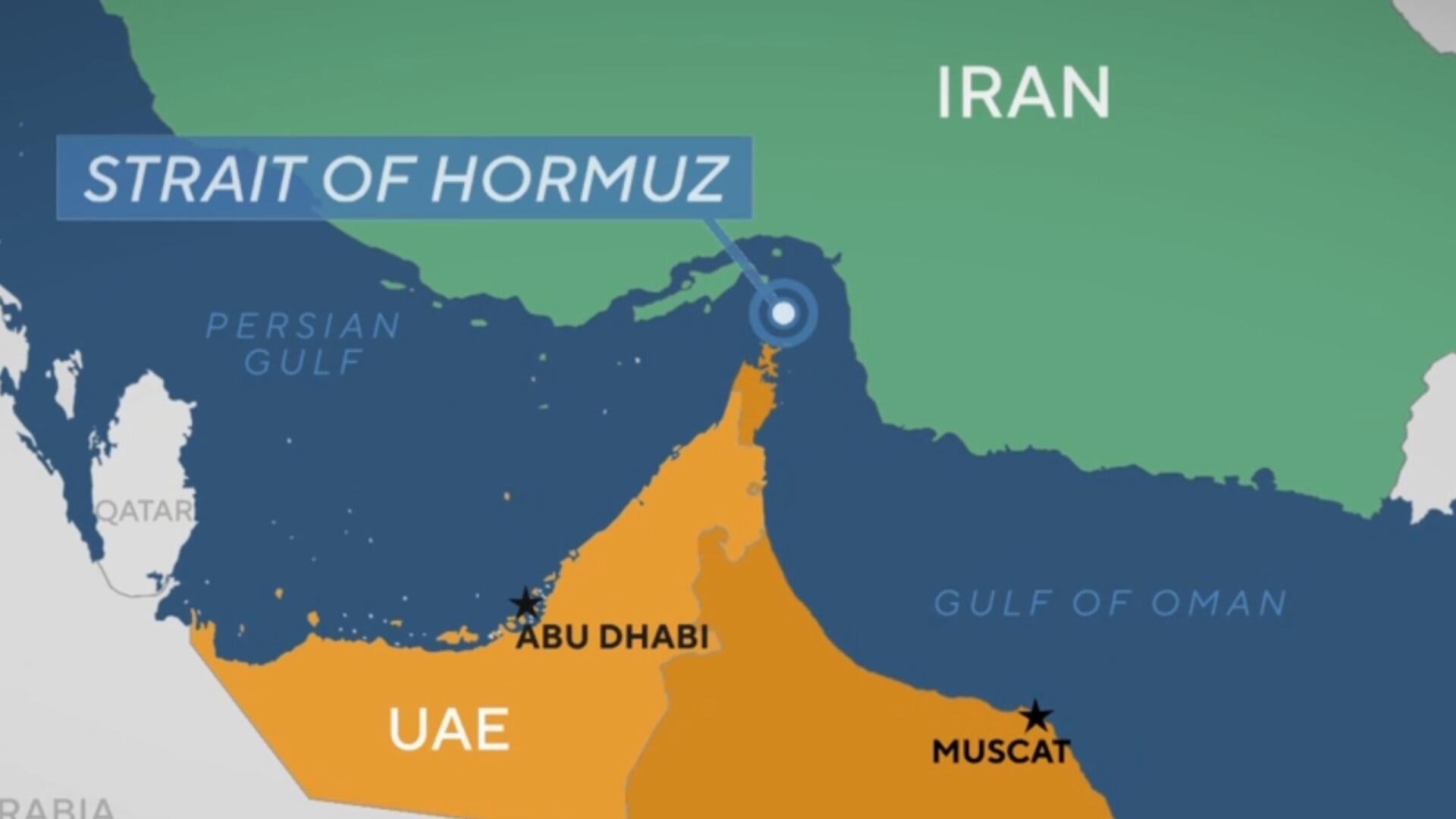
Tensions also surround the Strait of Hormuz. Tehran has proposed a system of “fees for navigational services” rather than tolls, a distinction that European and Gulf states may view as merely semantic. Iranian officials maintain these measures are necessary for environmental protection and safe passage, though the move is viewed by some as an attempt to exert greater control over the international waterway.
Diplomatic Hurdles and Regional Dynamics
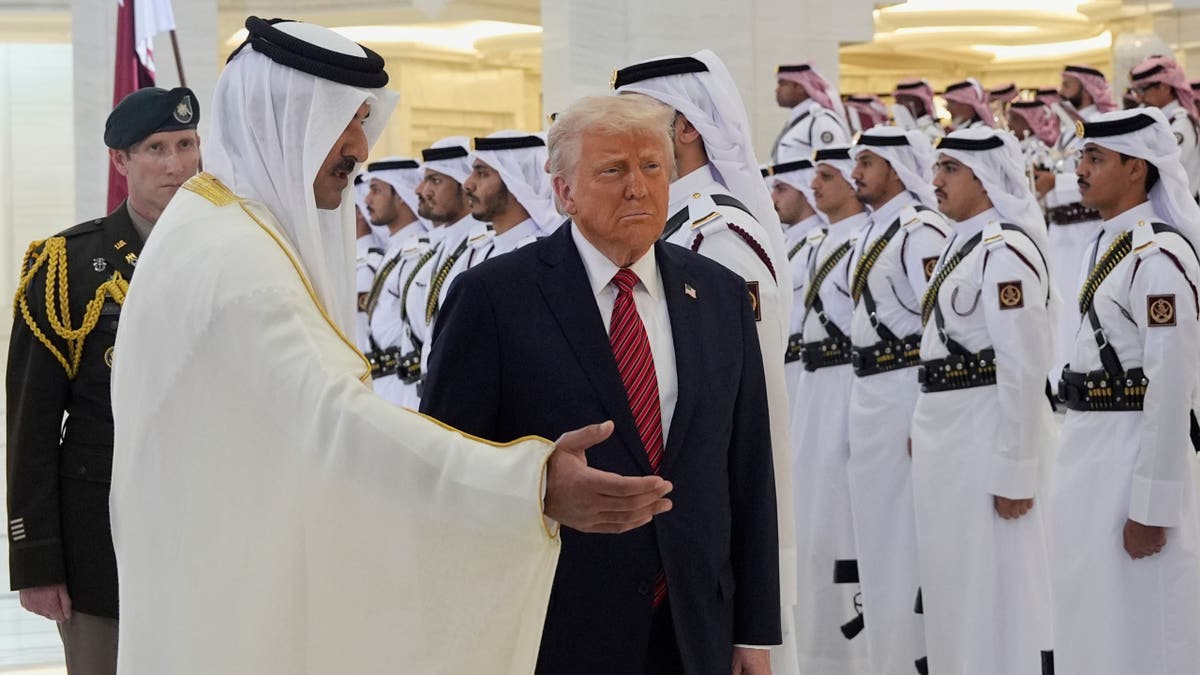
President Donald Trump has expressed that any potential deal must be “great and meaningful,” noting that he has requested various nations, including Saudi Arabia, Qatar, and Turkey, join the Abraham Accords. However, former U.S. Assistant secretary for near east affairs Barbara Leaf noted that this proposal was met with “stunned silence” from regional leaders, suggesting little appetite for the expansion of the accords.
Meanwhile, the political climate in Washington remains volatile. Iranian officials have pointed to a “wave of dismissals” and contradictory statements within the U.S. Government as reasons for the current stalemate. Inside Iran, the government is reportedly preparing to reconnect the nation to the international internet, a move driven by concerns over public reaction to soaring food inflation.
Potential Future Developments
Looking ahead, the next 60 days are expected to be critical, as that is the timeframe currently proposed for negotiating the handling of Iran’s nuclear stockpile. If the U.S. And Iran fail to bridge the gap regarding the disposal of enriched uranium, the deal could collapse entirely, leading the U.S. To pursue alternative, unspecified measures to address the issue.
the release of frozen assets remains a potential flashpoint. Should internal U.S. Opposition continue to mount, the administration may face further pressure to delay or abandon the financial aspects of the agreement. The stability of the maritime route through the Strait of Hormuz will also likely remain a point of contention until a formal, internationally recognised mechanism for “navigational services” is established.
Frequently Asked Questions
Is an agreement between the U.S. And Iran imminent?
No. Iranian spokesperson Esmail Baghaei stated that while progress has been made on many issues, no one can claim that the signing of an agreement is currently imminent.
What is Iran’s stance on the Strait of Hormuz?
Iran maintains that management of the strait is a matter for agreement between Iran and Oman. They have proposed collecting “fees for navigational services” to ensure safe passage and environmental protection, explicitly rejecting the term “tolls.”
Does the proposed deal cover Iran’s ballistic missiles or proxy groups?
No. The current deal contains no provisions regarding Iran’s ballistic missile program or its support for regional proxy groups.
What impact do you believe these fluctuating diplomatic negotiations will have on global oil markets and regional stability?