
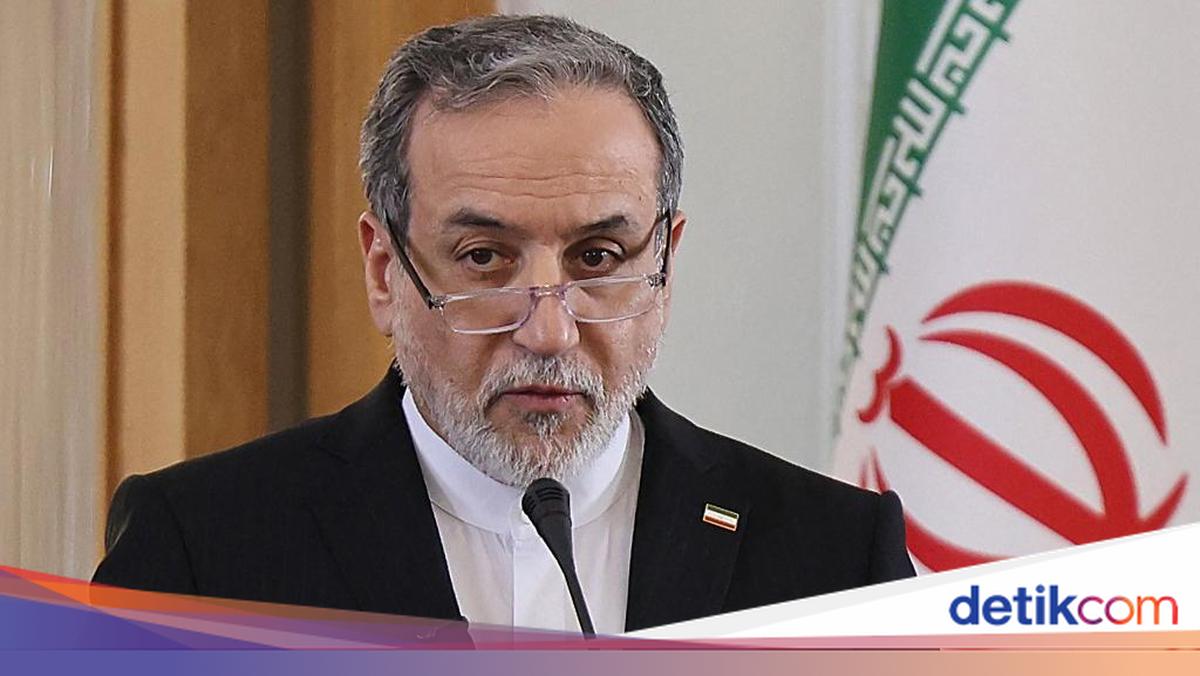
Iran Warns of Full-Scale War With US and Israel Over Lebanon Attacks
The Domino Effect: Why Lebanon is the Key to Middle East Stability
For decades, the Middle East has been described as a geopolitical powder keg. But if you look closer at the current friction between Iran, Israel, and the United States, you’ll notice that Lebanon isn’t just another flashpoint—it’s the trigger. When high-ranking officials, like Iran’s Foreign Minister, suggest that the fate of a regional war is tied to the streets of Beirut, they are describing a “domino theory” of modern warfare.
The reality is that the borders on a map don’t reflect the actual lines of conflict. We are seeing a shift toward “interconnected fronts,” where a tactical move in Southern Lebanon can trigger a strategic response in Tehran or a diplomatic crisis in Washington.
The Strategy of Interlinked Fronts
Iran’s current diplomatic posture is clear: Lebanon is a red line. By linking the security of Lebanon to the broader Iran-Israel-US conflict, Tehran is employing a strategy of deterrence through interdependence. Essentially, they are telling the West that peace cannot be “cherry-picked.” You cannot have a quiet Gulf if the Levant is burning.
This creates a complex dilemma for policymakers. If Israel or the US pursues a military solution in Lebanon to neutralize threats like Hezbollah, they risk expanding the war into a direct confrontation with Iran. This “all-or-nothing” approach to peace makes diplomatic negotiations incredibly fragile.
For more on how these alliances shift, you might find our analysis on global strategic alliances helpful.
The Withdrawal Deadlock: Diplomacy vs. Occupation
One of the most recurring themes in these tensions is the demand for the complete withdrawal of foreign troops. In the eyes of Iran and its allies, any peace agreement that doesn’t include a full Israeli exit from occupied territories is merely a ceasefire, not a solution.
Historically, we’ve seen this pattern before. The 2006 Lebanon War ended with a fragile ceasefire (UN Resolution 1701), but the underlying grievances remained. When the root cause—territorial disputes and sovereignty—isn’t addressed, the region remains in a state of “frozen conflict,” where the guns go silent but the tension only grows.
Three Potential Future Trends to Watch
As diplomats meet in Washington and military commanders move pieces on the board, three likely scenarios emerge for the near future:
- The Managed Escalation: A series of calibrated strikes and counter-strikes designed to “send a message” without triggering a full-scale war. Here’s the most common pattern, but it carries the highest risk of a miscalculation.
- The Grand Bargain: A comprehensive deal where the US, Israel, and Iran agree to a mutual pullback. This would likely involve sanctions relief for Iran in exchange for a dismantled proxy network in Lebanon.
- The Regional Spillover: A scenario where a strike on Beirut triggers a simultaneous activation of fronts in Yemen and Iraq, forcing the US into a direct military engagement to protect its interests.
The Washington Equation: The Mediator and the Combatant
The fact that Lebanon-Israel talks are happening in Washington highlights a strange paradox. The United States is simultaneously the primary mediator and one of the primary targets of Iran’s rhetoric. This dual role makes the US an indispensable player but also a lightning rod for tension.
Recent data from Council on Foreign Relations suggests that US mediation is often the only thing preventing a total collapse of communication between these adversarial powers. However, as domestic political pressure grows within the US, the appetite for long-term diplomatic “babysitting” in the Middle East may wane, leaving a power vacuum that could be filled by other global players like China or Russia.
FAQ: Understanding the Iran-Lebanon-Israel Dynamic
Why is Lebanon so important to Iran?
Lebanon, specifically through Hezbollah, provides Iran with a strategic “forward operating base” on Israel’s border, allowing them to exert pressure on Israel without engaging in a direct war on Iranian soil.
What does “full-scale war” actually look like in this context?
A full-scale war would likely involve long-range missile exchanges between Iran and Israel, potential US naval intervention in the Persian Gulf, and widespread instability across the Levant.
Can peace be achieved without troop withdrawals?
While temporary ceasefires are possible, historical precedents suggest that long-term stability requires a resolution to territorial disputes and a recognised border that all parties respect.
What do you think? Is a comprehensive “Grand Bargain” actually possible, or are we destined for a cycle of managed escalations? Let us know your thoughts in the comments below or share this article with someone who wants to understand the deeper layers of the Middle East crisis.
Want to stay ahead of the curve on global security? Subscribe to our geopolitical newsletter for weekly deep dives into the trends shaping our world.