
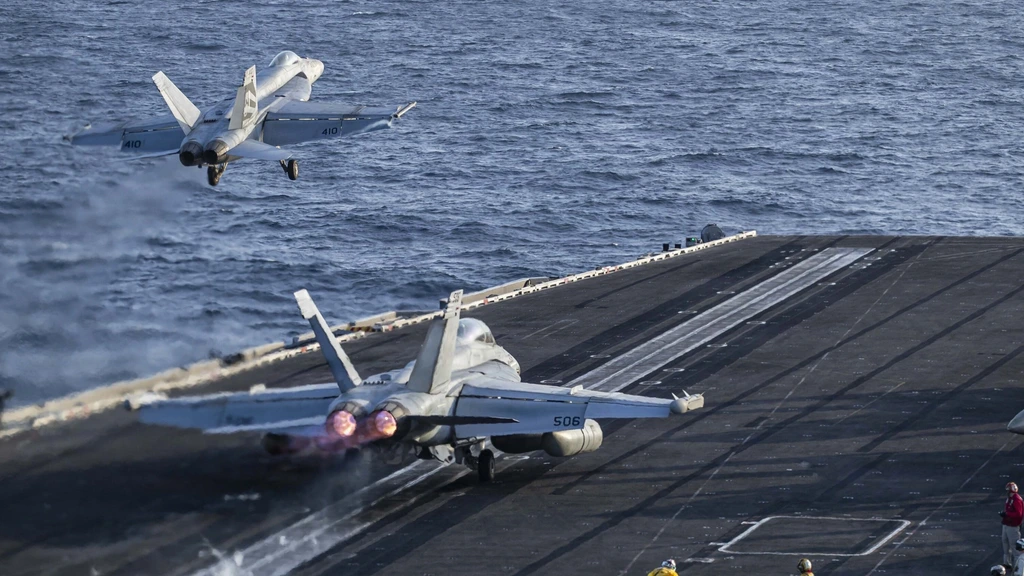
Iranian Drones Attack US Military Base in Kuwait
Escalating Tensions: The Geopolitical Shift in the Strait of Hormuz
The recent exchange of hostilities between the United States and Iran near the Strait of Hormuz marks a volatile turning point in Middle Eastern security. With drone strikes targeting U.S. Assets in Kuwait and retaliatory bombardments hitting Iranian infrastructure in Bandar Abbas, the region remains on a razor’s edge.
This cycle of violence underscores a broader strategic struggle: control over one of the world’s most critical maritime chokepoints. As global supply chains remain sensitive to any disruption in the Gulf, the implications for energy markets and international diplomacy are profound.
The Strategic Value of the Strait
The Strait of Hormuz is more than just a waterway. it is the global economy’s jugular vein. A significant portion of the world’s liquefied natural gas (LNG) and oil transits through this narrow passage daily. Any military posturing here triggers immediate ripples in global crude prices.
The Failure of Back-Channel Diplomacy
Recent reports regarding a potential “concept agreement” to end hostilities have been met with swift denials from Washington. The divergence between state media narratives in Tehran and official statements from the White House highlights the breakdown in traditional diplomatic channels.
President Trump’s recent remarks regarding the role of Oman—a long-time mediator in the region—signal a hardening stance. By pressuring regional allies to distance themselves from Iranian negotiations, the U.S. Is effectively narrowing the path for a negotiated settlement, opting instead for a policy of “maximum pressure.”
Future Trends: Autonomous Warfare and Regional Alliances
The reliance on drone technology by both state actors and proxies is reshaping modern warfare. Unlike traditional fighter jets, low-cost drone swarms are difficult to intercept and provide a “deniable” way to harass superior military forces. We expect to see:
- Increased Investment in Anti-Drone Defense: Gulf nations are rapidly upgrading their air defense systems to counter low-altitude, high-frequency drone threats.
- Maritime Coalition Shifts: Expect a realignment of security partnerships as regional players weigh the risks of U.S.-led defense initiatives against the dangers of Iranian retaliation.
- Cyber-Geopolitics: As physical attacks escalate, the potential for state-sponsored cyber warfare targeting critical port infrastructure and energy grids will likely increase.
Frequently Asked Questions (FAQ)
- Why is the Strait of Hormuz so important?
- It is the primary transit route for oil and gas exports from the Persian Gulf to the rest of the world. A closure could lead to a global energy crisis.
- What is the role of the Revolutionary Guard in these attacks?
- The IRG acts as a primary military force for Iran, often utilizing unconventional tactics like drone swarms and fast-attack boats to challenge regional U.S. Naval superiority.
- How do these conflicts impact global oil prices?
- Markets react to uncertainty. Even the threat of restricted transit through the Strait typically causes an immediate spike in Brent and WTI crude oil futures.
Stay Informed
The situation in the Middle East is evolving rapidly. Sign up for our Geopolitical Intelligence Newsletter to receive daily updates on energy security and international relations directly in your inbox.
