
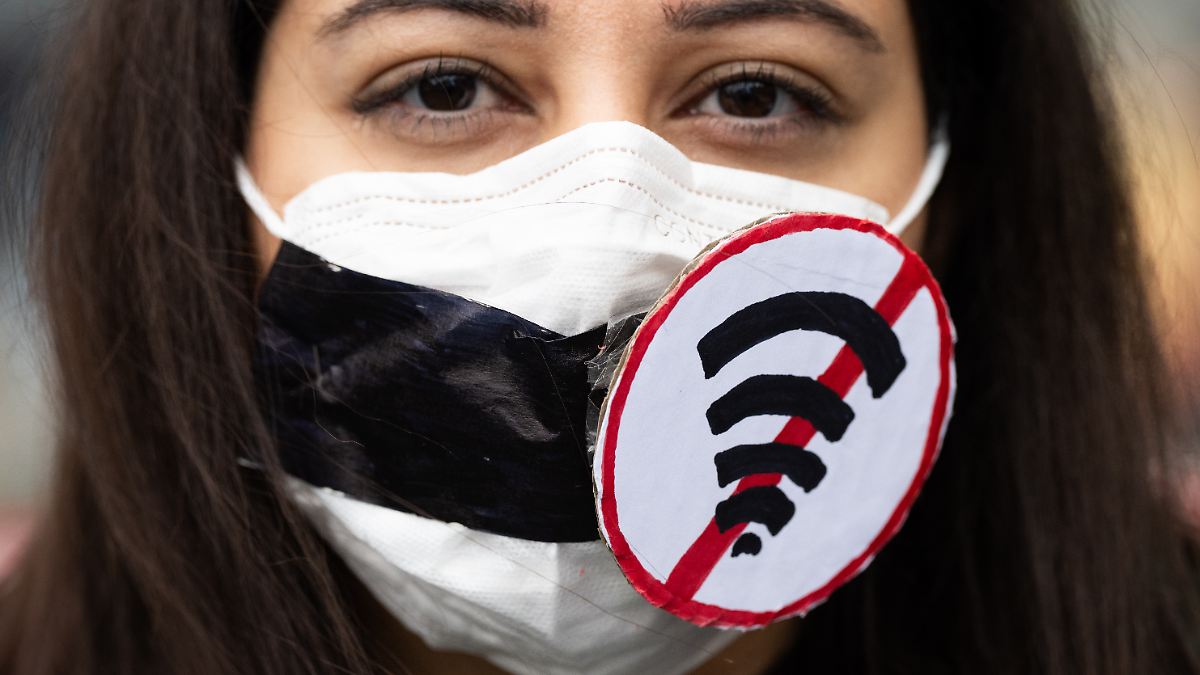
Iran’s President Orders End to Internet Blockade
The recent fluctuations in internet access within volatile regions highlight a growing global tension: the struggle between a state’s desire for “digital sovereignty” and the fundamental human need for global connectivity. When a government flips the switch on the international web, it isn’t just silencing political dissent; it is effectively pausing the economic and social heartbeat of a nation.
The Rise of the ‘Splinternet’: Digital Sovereignty vs. Global Access
For decades, the internet was envisioned as a borderless utopia. However, we are currently witnessing the emergence of the “Splinternet”—a fragmented version of the web where national borders are reinforced by digital firewalls.

The concept of a “national internet” allows regimes to create a curated ecosystem. In this environment, the state decides which websites are “safe” and which are “subversive.” While officially framed as a measure for national security, this architecture serves as a powerful tool for narrative control.
We have seen similar patterns in other regions, such as China’s Great Firewall or Russia’s attempts to create a “sovereign runet.” The trend is clear: governments are moving away from simple censorship toward the creation of entirely separate digital realities.
The Economic Price of Silence: E-Commerce in the Crosshairs
The most immediate casualty of an internet blackout isn’t always political—it’s financial. In an era where small and medium enterprises (SMEs) rely on Instagram, WhatsApp, and global payment gateways to survive, a shutdown is an economic death sentence.
Consider the plight of online merchants. When access to the international web is severed, these businesses lose their ability to:
- Process international payments and currency exchanges.
- Communicate with global suppliers.
- Reach customers via social media marketing.
- Manage cloud-based inventory systems.
This creates a dangerous paradox: the state may shut down the web to maintain “stability,” but the resulting economic desperation often fuels the very social unrest they seek to prevent.
The Fragility of Digital-First Economies
As more nations digitize their infrastructure, the “kill switch” becomes a more potent weapon. We are seeing a trend where digital dependency is leveraged as a tool of state coercion. For entrepreneurs in these regions, the only survival strategy is diversification—using offline payment methods or diversifying server locations across multiple jurisdictions.
The Tech Arms Race: VPNs, Satellites, and the Fight for Truth
Every time a government builds a higher digital wall, the population finds a taller ladder. The struggle for connectivity has sparked a sophisticated technological arms race.
Virtual Private Networks (VPNs) have become essential survival tools rather than just privacy utilities. However, as states become more adept at detecting VPN protocols, users are turning to more decentralized options, such as the Tor network or peer-to-peer (P2P) mesh networks that don’t rely on a central ISP.
The most significant disruptor in recent years has been the advent of Low Earth Orbit (LEO) satellite internet. Systems like Starlink have fundamentally changed the calculus of internet shutdowns. When the state controls the cables in the ground, the only way out is to look up.
This shift suggests a future where “state-controlled internet” may become obsolete, as connectivity becomes a satellite-driven utility that bypasses national gateways entirely.
Information Warfare and the ‘Ground Truth’
The primary motivation for internet blackouts is almost always the control of imagery. In modern conflict, a single viral video on TikTok or X (formerly Twitter) can dismantle a government’s official narrative in seconds.
The trend is moving toward “selective throttling”—where the internet remains active for basic services (like banking) but social media and upload capabilities are crippled. This allows the state to maintain the economy while blinding the world to the reality on the ground.
However, this strategy often backfires. The “Streisand Effect” ensures that the more a government tries to hide information, the more valuable and sought-after that information becomes globally, often leading to increased international pressure, and sanctions.
Frequently Asked Questions
What is a ‘National Internet’?
A national internet is a state-controlled network that mimics the global web but only allows access to approved, domestic websites, effectively isolating citizens from the rest of the world.
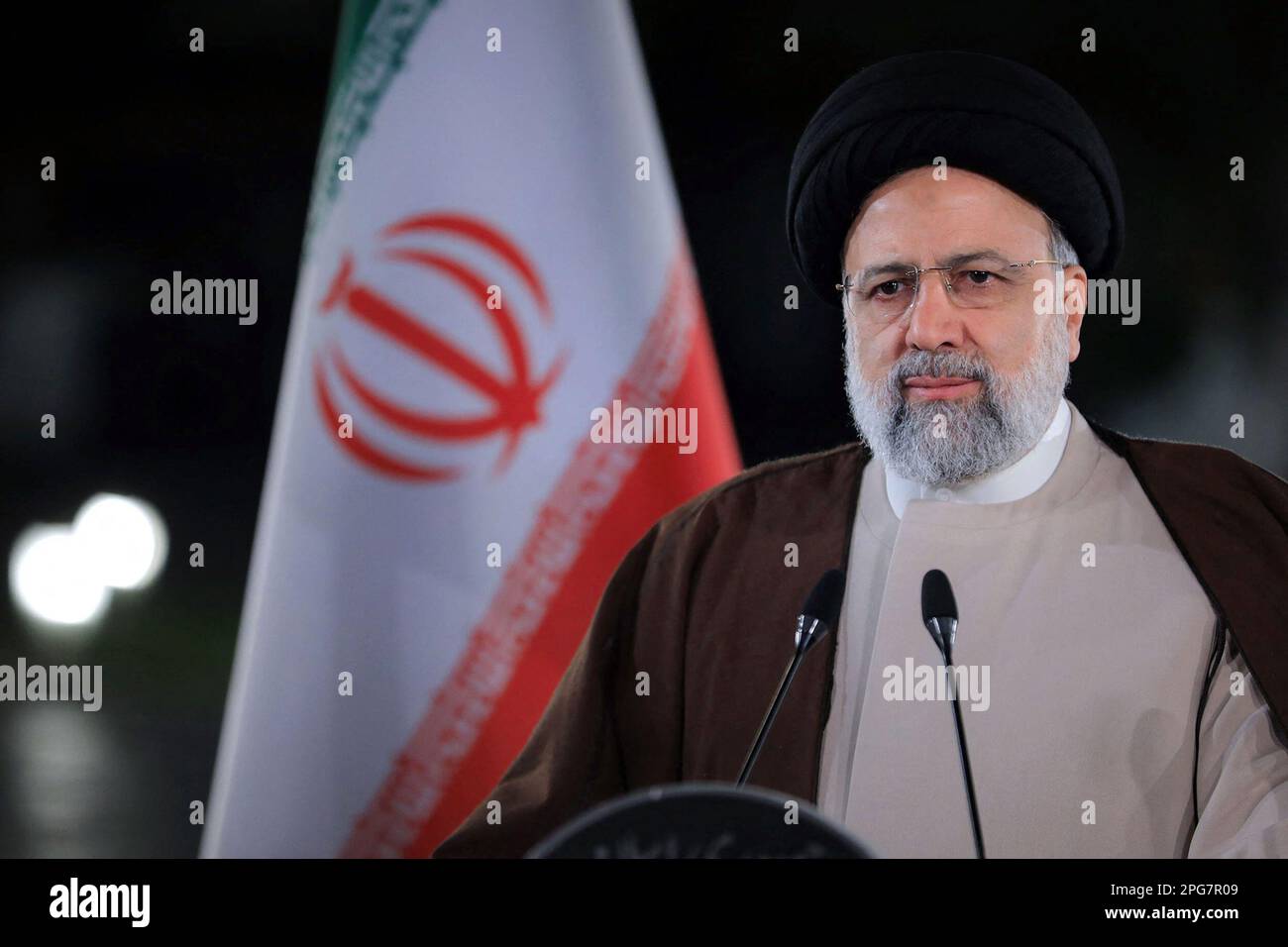
Why do governments use internet shutdowns during crises?
Primarily to prevent the coordination of protests, stop the spread of “unauthorized” news, and hide the extent of war damages or human rights abuses from the international community.
Can satellite internet completely stop state censorship?
While it provides a powerful alternative, governments often respond by criminalizing the possession of satellite receivers or using signal jamming technology to disrupt the connection.
Join the Conversation
Do you believe internet access should be recognized as a basic human right under international law? How can businesses better protect themselves from state-led digital blackouts?
Share your thoughts in the comments below or subscribe to our newsletter for more insights on the intersection of technology and geopolitics.