
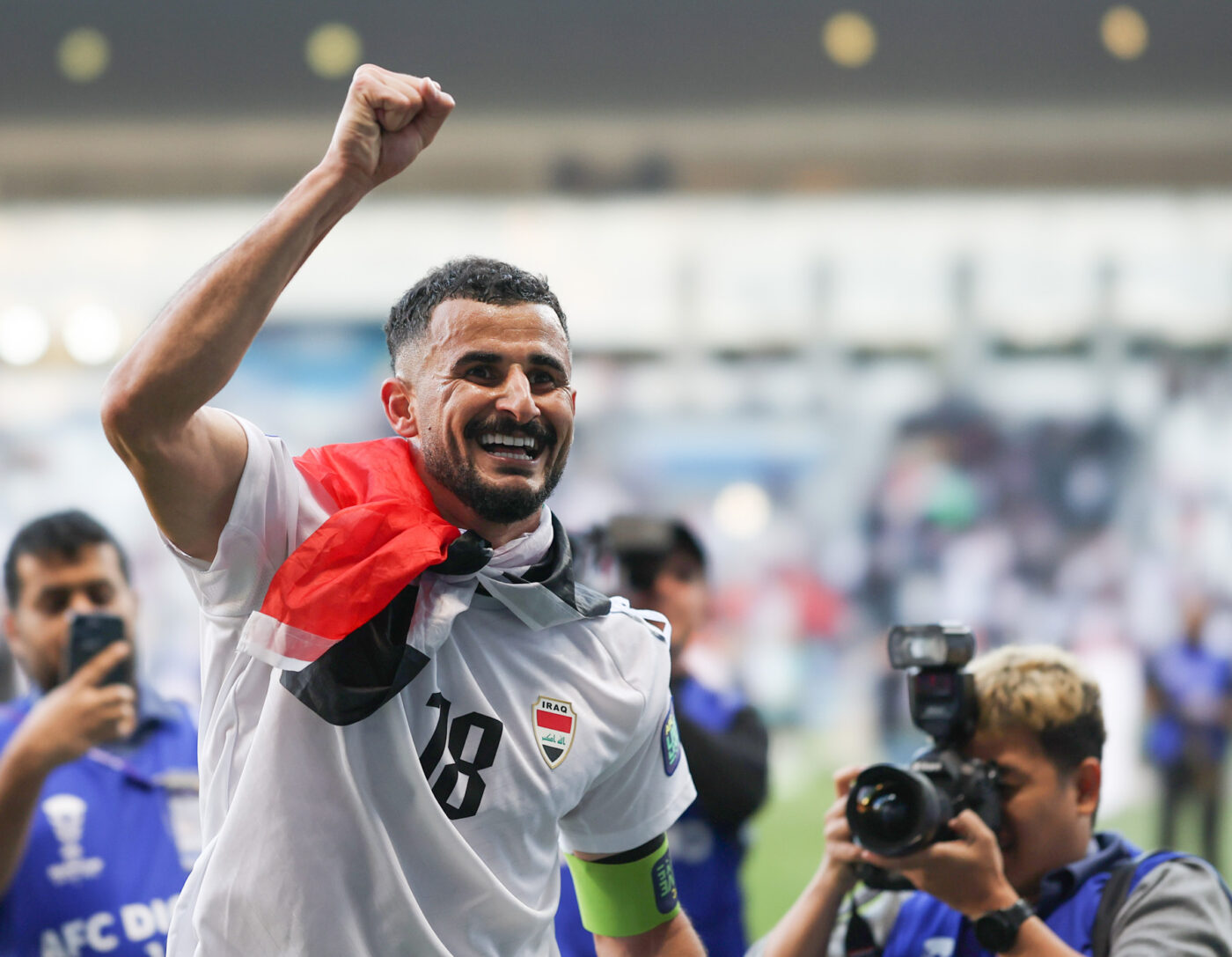
Iraq’s Aymen Hussein Detained at US Airport Ahead of World Cup 2026
Aymen Hussein, Iraq’s star striker, was detained for over seven hours at Chicago’s O’Hare Airport, facing intense interrogation and phone searches before the 2026 World Cup. This incident, reported by The Guardian, highlights a growing tension between strict US border security and the diplomatic goals of hosting global sporting events.
Why are athletes from conflict zones facing stricter US border scrutiny?
Border security often clashes with the spirit of international competition. In the case of Aymen Hussein, The Guardian and several Arab media outlets reported that the 30-year-old was interrogated as if he were a “terrorist.” He remained stuck at O’Hare Airport for more than seven hours while officials searched his personal phone.
This isn’t just about one player. The Iraqi delegation’s photographer was denied entry entirely after waiting over ten hours. These events suggest that national security protocols frequently override the “fast-track” expectations typically granted to high-profile athletes during mega-events.
The friction stems from a systemic approach to risk assessment. When athletes arrive from nations with complex geopolitical histories, they often trigger secondary screenings. For Hussein, this was particularly jarring given his personal history; he is a survivor of the very violence the US seeks to prevent, having fled Kirkuk in 2014 after ISIS killed his father and kidnapped his brother.
How will the 2026 World Cup challenge US security protocols?
The scale of the 2026 tournament is unprecedented. With more teams and a wider array of participating nations, the US Department of Homeland Security faces a logistical nightmare: balancing “Welcome to America” with rigorous vetting. We are likely to see an increase in “diplomatic friction” at ports of entry.
According to reports from SoFoot, Hussein’s arrival was a “welcome” that felt more like an interrogation. If a national hero—the man who scored the decisive goal against Bolivia to secure qualification—is treated this way, lower-profile staff and substitute players may face even harsher hurdles.
Future trends suggest the US may implement specialized “Athlete Visas” or pre-clearance hubs to avoid the PR disaster of detaining global stars. However, as seen with the Iraqi photographer, these systems are currently prone to failure, leading to total denials of entry that can disrupt a team’s entire preparation.
The contrast in framing: Media vs. Officialdom
There is a stark difference in how this story is being told. While US customs officials likely view these stops as “standard security procedures,” The Guardian frames the event as “indignity.” This gap in perception creates a narrative of profiling that can overshadow the sporting event itself.
Can sports diplomacy outweigh geopolitical tensions?
Football has a unique ability to humanize “the other.” Aymen Hussein is not just a player; he is a symbol of resilience for millions of Iraqis. When he faces France on June 22, the match is about more than points in the group stage. It is a collision of cultures.
The trend moving forward is the “Athlete as Diplomat.” As players from volatile regions gain more visibility, their personal stories—like Hussein’s escape from ISIS—become central to the tournament’s narrative. This puts pressure on host nations to treat these individuals with a level of respect that matches their status in their home countries.
If the US continues to apply rigid, suspicion-based screening to athletes from the Global South, it risks undermining the “unifying” message of the World Cup. The goal of sports diplomacy is to build bridges, but seven-hour interrogations at O’Hare build walls.
Frequently Asked Questions
Who is Aymen Hussein?
Aymen Hussein is a 30-year-old international striker for Iraq and Al-Karma, known for his crucial role in Iraq’s qualification for the 2026 World Cup.
Why was Aymen Hussein detained at the airport?
According to The Guardian, he underwent intense interrogation and a phone search at Chicago’s O’Hare Airport, leading to accusations of unfair treatment and profiling.
When does Iraq play France in the World Cup?
Iraq is scheduled to face France on June 22 at 11:00 PM (local time) during the third match of the group stages.
Was anyone else from the Iraqi team affected?
Yes, the team’s official photographer was denied entry to the United States after waiting for over ten hours at the airport.
Join the Conversation
Do you think national security should always take precedence over the treatment of international athletes, or is this a clear case of profiling? Let us know in the comments below or subscribe to our newsletter for more deep dives into the intersection of sports and politics.