
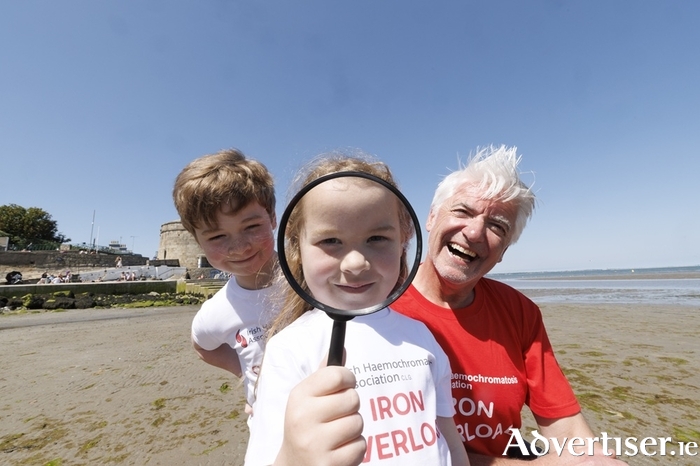
Ireland urged to recognise symptoms of the nation’s ‘hidden condition
During World Haemochromatosis Awareness Week, held from June 1st to 7th, 2026, the Irish Haemochromatosis Association (IHA) is urging the public to recognize the symptoms of iron overload. As Ireland’s most common genetic condition, early detection is critical to preventing long-term health complications.
Understanding the “Celtic Gene”
Often referred to as the “Celtic Gene,” haemochromatosis has the highest prevalence in the world within the Irish population. Approximately 1 in 5 people carry the gene linked to iron overload, while roughly 1 in 83 are genetically predisposed to developing the condition.

Recent research led by Professor Jim Wilson at the University of Edinburgh and funded by Haemochromatosis UK has identified specific genetic “hotspots” across Ireland. The highest concentrations of risk have been found in the north-west region of the country.
Did You Know? Ireland has the highest prevalence of haemochromatosis in the world, with approximately 1 in 5 people carrying the gene linked to iron overload.
The Risks of Iron Overload
The condition causes the body to absorb excessive iron from food. Over time, this excess iron can accumulate in vital organs, including the heart, liver, pancreas and joints.
If left untreated, this buildup can lead to irreversible damage. Serious complications may include joint damage, diabetes, heart problems, and liver disease.
Despite its prevalence, the condition is frequently missed. Early symptoms are often vague and can be easily mistaken for general fatigue, ageing, or stress.
Identifying the Warning Signs
Common indicators include brain fog, persistent tiredness, abdominal discomfort, and joint pain. Pain in the knuckles is a specific sign sometimes referred to as the “iron fist.”

Professor Suzanne Norris, a Consultant in Hepatology and Gastroenterology at St. James’s Hospital, emphasizes that early diagnosis is vital. Detecting the condition as early as possible allows patients to avoid serious complications.
Expert Insight: Samantha Carter notes that the primary challenge in managing haemochromatosis lies in the non-specific nature of early symptoms. The stakes are high, as the transition from vague fatigue to irreversible organ damage may occur if patients and providers do not prioritize early screening.
Diagnosis and Treatment Paths
The IHA encourages anyone experiencing symptoms to consult their GP for screening. Initial testing involves a simple iron panel blood test to measure Transferrin Saturation (TSAT) and Serum Ferritin levels.
If these levels are raised, a genetic blood test is recommended. Professor John Ryan, Consultant Hepatologist at Beaumont Hospital and Chair of the Irish Liver Foundation, notes that the condition is highly treatable once diagnosed.
Treatment typically involves venesection, which is the regular removal of blood to reduce iron levels. For some, this can be managed through regular blood donation.
Lived Experiences with Haemochromatosis
Alice Kelly, an Irish author and entrepreneur, was diagnosed at 21 after years of unexplained stomach pains and exhaustion. She describes the diagnosis as the “missing link” that explained years of symptoms she had previously believed were overreactions.
Anna McCarthy, an open water swimmer, was diagnosed 14 years ago through a routine blood test. After having approximately 40 pints of blood removed to normalize her levels, she has since completed swims across the Strait of Gibraltar and the English Channel.
Brian Keegan, a voluntary board member of the IHA, advocates for younger generations to seek help. He warns that waiting until complications develop is a risk that can be avoided with a simple blood test.
Expanding Care and Future Outlook
The IHA is currently partnering with the Irish General practise Nurses Educational Association and the HSE NW nurse education and training team. Together, they are delivering a pilot venesection training programme for community nurses.

This initiative is intended to make venesection treatment more accessible to patients within their own community settings. This expansion could potentially lead to more consistent management of iron levels for those affected.
ongoing research may continue to advance the understanding of the condition. A conference at Trinity College in June, hosted by Professor John Ryan and the European Iron Club, is expected to bring together international experts to share vital research.
For further information or support, visit www.haemochromatosis.ie.
Frequently Asked Questions
What is haemochromatosis?
It is a genetic condition, most common in Ireland, that causes the body to absorb too much iron from food, which can then build up in the heart, liver, pancreas, and joints.
What are the early symptoms of iron overload?
Early signs are often non-specific and include persistent tiredness, brain fog, abdominal discomfort, and joint pain, particularly in the knuckles.
How is haemochromatosis treated?
The condition is highly treatable, primarily through venesection, which is the regular removal of blood to reduce the body’s iron levels.
Do you or a family member have a history of unexplained fatigue or joint pain that warrants a conversation with a healthcare provider?