
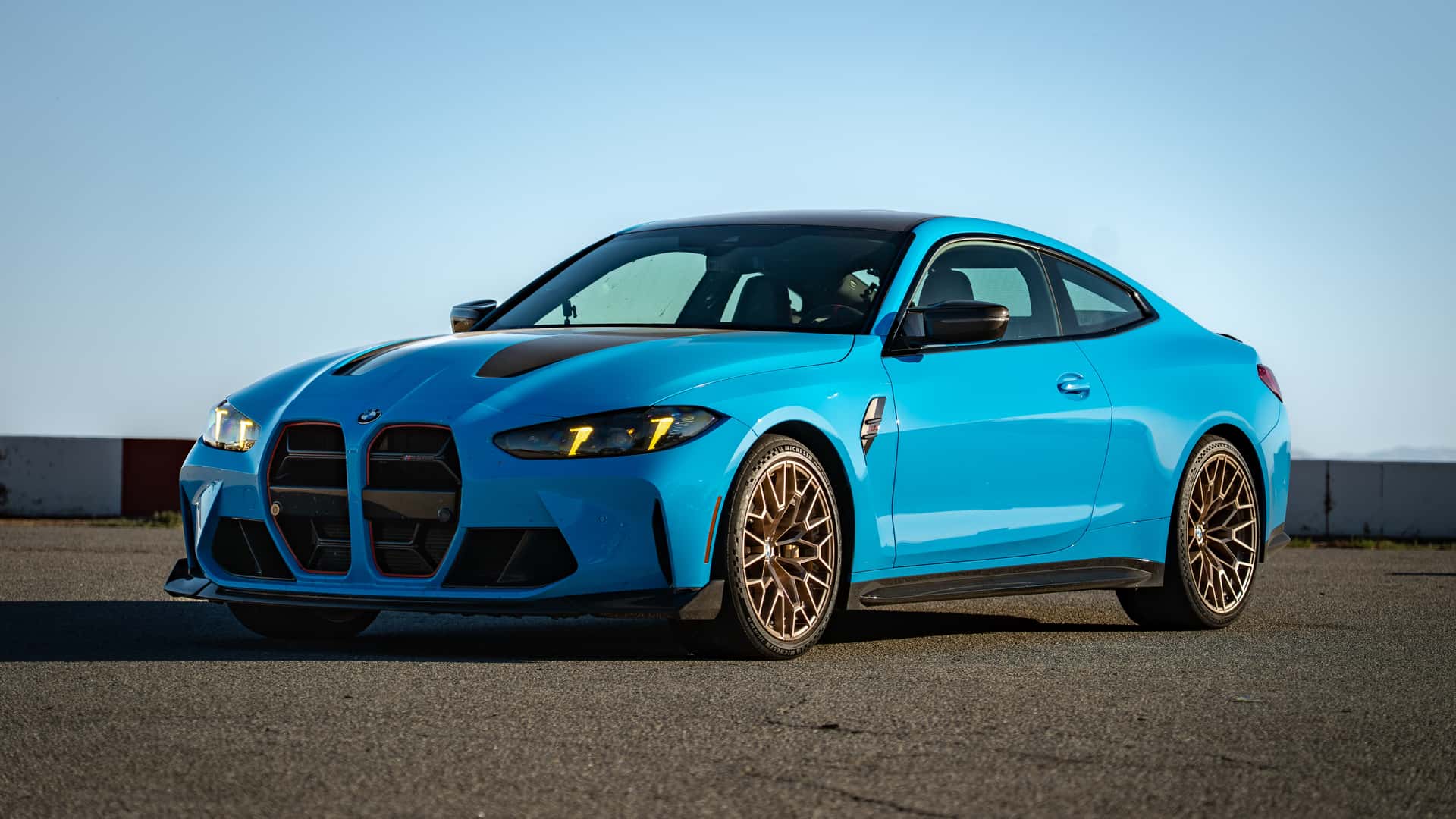
Is The BMW M4 CS A Good Track Car?
The Future of the Track-Ready Sport Sedan: Why Modern M Cars Are Changing the Game
There was a time when taking a 4,000-pound German luxury car to a track day was considered a fringe activity—a hobby for those who didn’t mind replacing brake pads every weekend. Today, the landscape has shifted. The BMW M division is experiencing a massive renaissance, with their modern lineup becoming the default choice for enthusiasts who demand both daily-driver comfort and serious circuit performance.
But as manufacturers push the limits of factory-tuned performance, we are seeing a fascinating evolution in what it means to be “track-ready.”
The Reliability Revolution
The old stereotype of the “finicky” BMW has been effectively dismantled by the current generation of turbocharged powerplants. The S58 inline-six engine has earned a reputation for being nearly bombproof, even under the stress of high-boost, high-heat environments.

This durability is largely due to advanced thermal management. Modern machines like the 2025 BMW M4 CS utilize complex cooling stacks featuring six or more heat exchangers to manage engine, oil, and transmission temperatures. In real-world testing at demanding circuits like Buttonwillow Raceway, these systems have proven capable of keeping temperatures within an ideal window even during aggressive, sustained sessions.
The “Competition Sport” Conundrum: Performance vs. Value
As we look toward the future, the industry is trending toward “special edition” models that bridge the gap between street-legal commuters and full-blown race cars. The M4 CS, for example, sheds nearly 80 pounds through carbon-fiber components and features specialized suspension tuning.
However, the data suggests that for the average enthusiast, the “sweet spot” is changing. While the CS offers undeniable pedigree, the standard M4 Competition xDrive often provides a more balanced platform for those who plan to add their own performance modifications. The future of the track scene isn’t necessarily about buying the most expensive trim—it’s about choosing a base that offers the best “blank canvas” for personalized setup.
What Lies Ahead for Track Days?
We are entering an era where factory-stock vehicles are faster than purpose-built race cars from a decade ago. However, this comes with a caveat: weight and tire technology. As cars get faster, they put more load on consumables. Future trends will likely see:
- Increased reliance on software: Expect more advanced chassis control systems that allow drivers to dial in specific handling characteristics.
- Cooling innovation: As electric and hybrid performance increases, liquid cooling for batteries and motors will become as critical as engine oil management.
- The rise of the “Dual-Purpose” build: Manufacturers will continue to lean into cars that can drive to the track, set a blistering lap time, and drive home in comfort.
Frequently Asked Questions
Is the BMW M4 CS worth the premium over the M4 Competition?
For the collector or the driver who wants a factory-tuned, track-focused setup out of the box, yes. However, if you plan on modifying your car with aftermarket wheels, tires, and suspension, the standard M4 Competition offers more value as a starting point.
Do modern M cars overheat on the track?
Modern BMW M cars are among the most robust in the industry regarding cooling. With advanced multi-radiator setups, they are designed to handle sustained high-intensity driving better than most of their peers.
What is the most important modification for a track-day beginner?
Start with high-performance brake fluid and track-oriented brake pads. Once you have mastered your car’s handling, move to dedicated track tires to improve grip and cornering speed.
What’s your take? Do you prefer the “out-of-the-box” performance of a factory special like the M4 CS, or do you prefer the journey of building your own track weapon? Drop a comment below and let us know your thoughts on the future of the sport sedan!
Want more track-tested reviews and technical deep dives? Subscribe to our newsletter for the latest in automotive engineering and performance news.