
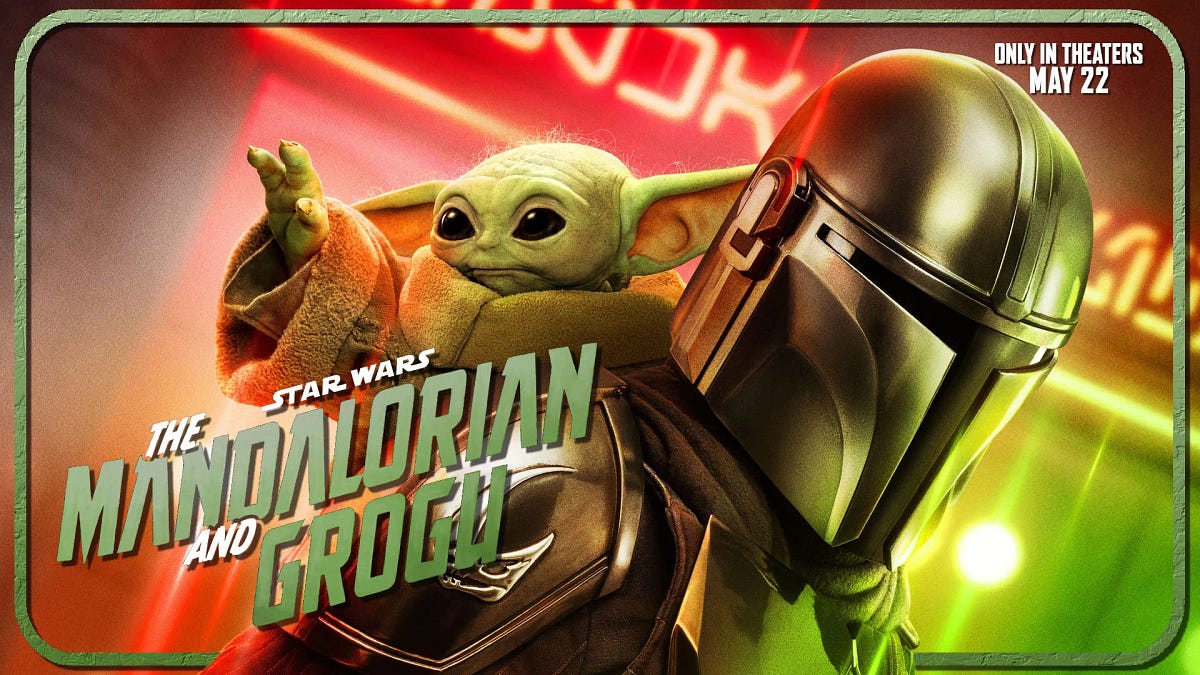
Is ‘The Mandalorian and Grogu’ a missed opportunity for championing the film experience?
The transition of The Mandalorian and Grogu from a Disney+ streaming series to a big-screen feature marks a pivotal moment in the ongoing evolution of audience habits. As cinema owners grapple with shifting consumption patterns that have already reshaped radio, broadcast, and cable television, the pressure to provide a unique “theatrical-only” experience has never been greater.
While the film features high-end special effects that surpass the series, it largely functions as an extended episode. It offers little in the way of character evolution for Din Djarin or the Force-sensitive Grogu, leaving significant questions regarding Grogu’s origins and training—first introduced six years ago—largely unaddressed.
The Challenge of the Multiplex
The current industry climate forces a difficult question: why should audiences trek to a theater when they can access content at home? For many viewers, the 60-to-90-day window of theatrical exclusivity is no longer a compelling enough incentive to choose a multiplex over a sophisticated home media system.
By relying heavily on inside jokes and franchise references—rather than a robust, standalone narrative—The Mandalorian and Grogu risks alienating casual viewers. The film’s reliance on established lore, rather than exploring the deeper mysteries of its central characters, suggests a creative stagnation that may struggle to justify the theatrical experience for a mass audience.
Market Performance and Future Implications
According to The Wrap, the film has earned $100 million domestically and $163 million worldwide. While these figures represent a solid start for a television spinoff, the long-term financial success of the project remains contingent on its performance beyond the initial Memorial Day window.
Looking ahead, the industry may see a continued shift in how franchises utilize streaming versus cinematic releases. If audiences continue to favor the narrative depth found in series like Andor, studios could find themselves under increasing pressure to elevate the storytelling standards for theatrical features to ensure they remain a viable destination for entertainment.
Frequently Asked Questions
Why is the industry concerned about current movie-going habits?
Theater owners are struggling with a shift in consumption habits driven by technology. Many viewers are increasingly opting to build home media systems rather than visit a multiplex, especially when theatrical films do not offer a unique, “must-see” experience that distinguishes them from streaming content.
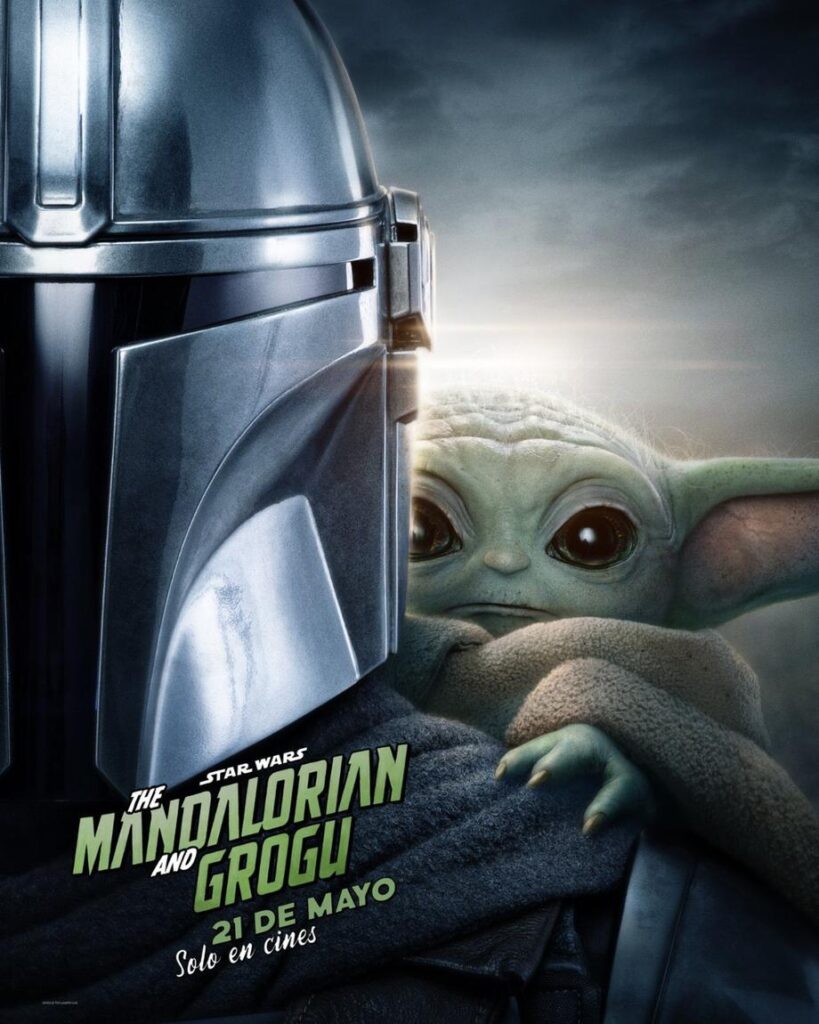
How does The Mandalorian and Grogu differ from the Disney+ series?
While the film features enhanced special effects, it does not significantly evolve the characters or provide answers to long-standing questions about Grogu’s origins, Force training, or his connection to Yoda. It functions more like an extended episode than a transformative cinematic event.
What is the financial outlook for the film?
The movie has earned $163 million worldwide, but its ultimate success depends on whether it maintains interest beyond the Memorial Day weekend. Its ability to sustain momentum will determine if this strategy of moving streaming characters to the big screen is a viable long-term model for the industry.
Do you believe that big-budget films should focus more on standalone storytelling or continue to rely on the interconnected lore of established franchises?