
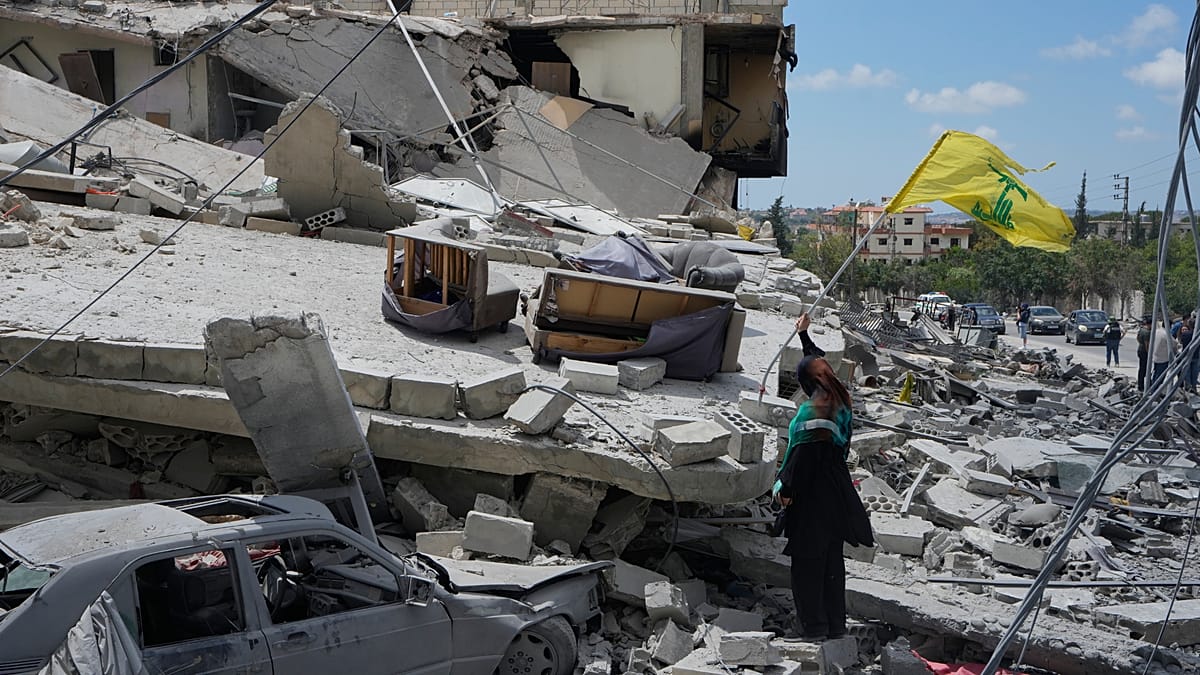
Israel and Hezbollah Agree to Ceasefire in Lebanon
Israel and Hezbollah agreed to a ceasefire on Friday, according to three officials, following intense fighting in southern Lebanon that threatened to derail a broader peace agreement reached between the United States and Iran on Wednesday. The truce, mediated by Qatar, the U.S., and Iran, comes amid ongoing military operations and a death toll that continues to climb in the region.
Current Status of Hostilities
Despite reports of a ceasefire agreement, the Israeli military continues to operate in southern Lebanon. Brig. Gen. Effie Defrin stated on Friday that the military has received no new instructions from the government, confirming that forces remain in a “forward defense zone.” The Israel Defense Forces reported hitting more than 80 Hezbollah targets on Friday, resulting in the deaths of dozens of members of the group.
The human cost of the fighting remains high. According to the Lebanese health ministry, Israeli airstrikes and bombardments killed at least 47 people on Friday, including seven women and two children, while wounding 97 others. The violence has also impacted Israeli forces, with the military reporting the deaths of four soldiers on the same day.
The Diplomatic Landscape
The ceasefire follows a Wednesday deal signed by U.S. President Donald Trump and Iranian President Masoud Pezeshkian intended to end the war that began on February 28. However, the two sides remain at odds over the agreement’s scope. Iran has insisted that any truce must include an Israeli withdrawal from southern Lebanon, while Israel has maintained that the initial deal did not cover Lebanon.
Negotiations scheduled for Friday in Switzerland between the United States and Iran were canceled due to the escalating violence. While a Hezbollah official confirmed that mediators were working to implement the new ceasefire, Israeli Prime Minister Benjamin Netanyahu’s office has not yet provided a formal comment on the agreement.
What Happens Next
The stability of this agreement remains uncertain. Because previous truces have failed to stop attacks, it is possible that sporadic fighting could continue despite the announcement. Analysts might expect that if Israeli forces remain in their “forward defense zone” as indicated by military leadership, the ceasefire could face immediate pressure. Furthermore, the explicit demand from Israeli officials to exact a “very heavy price” from Hezbollah suggests that the transition to a lasting peace remains fraught with diplomatic and military challenges.
Frequently Asked Questions
Who mediated the ceasefire between Israel and Hezbollah?
The truce was mediated by Qatar, the United States, and Iran, according to two regional officials and one U.S. official.
Why were the negotiations in Switzerland canceled?
The meetings were canceled because of the ongoing fighting between Israel and Hezbollah in southern Lebanon.
What is the primary point of contention regarding the ceasefire?
Iran maintains that the ceasefire should include an Israeli withdrawal from southern Lebanon, whereas Israel has claimed the initial agreement reached on Wednesday did not include Lebanon.
Will this latest ceasefire be sufficient to end the cycle of violence in the region?