

Israel and Lebanon Begin New Peace Negotiations in Washington
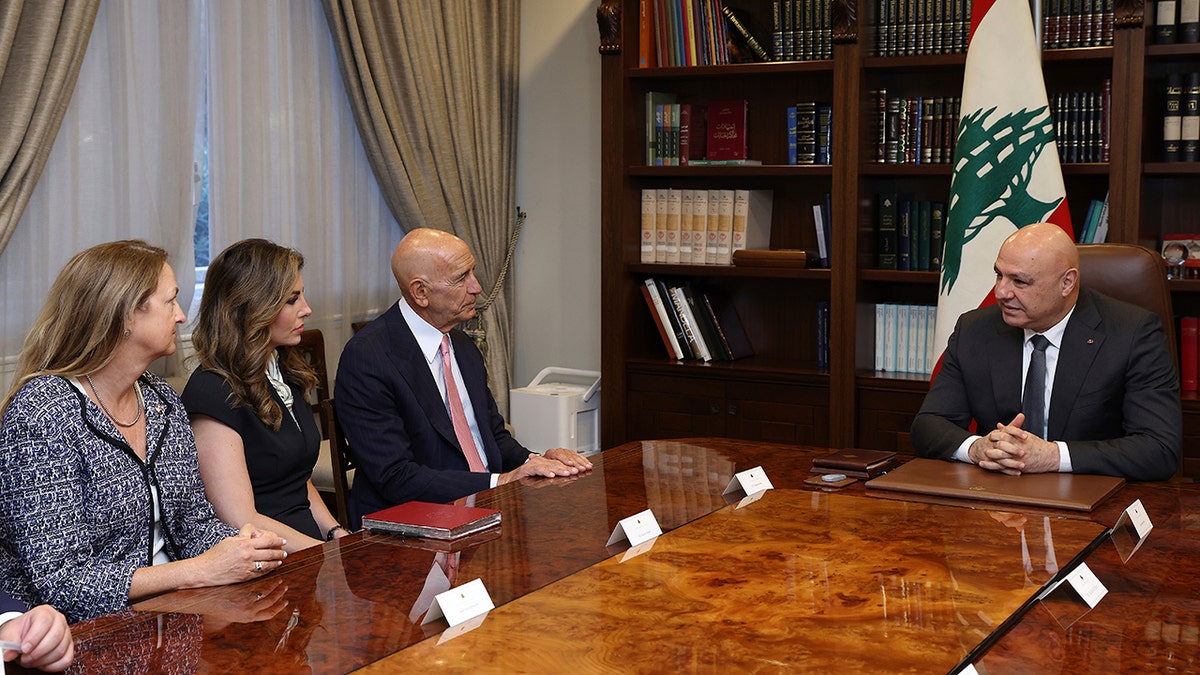
Israel and Lebanon began a three-day round of peace negotiations in Washington on June 23, 2026, following a U.S.-Iran memorandum of understanding to end hostilities in southern Lebanon, according to EFE. These talks aim to operationalize a ceasefire that neither Israel nor Hezbollah originally signed.
Why are Israel and Lebanon negotiating in Washington now?
The current talks are the fifth round of negotiations this year. They follow a memorandum of understanding signed between the Donald Trump administration and Iran’s leadership to stop fighting in southern Lebanon, according to EFE.
A high-ranking U.S. State Department official told EFE that the agenda is split into two phases. The delegations are tackling military issues first before moving to broader political questions. This sequence suggests that establishing a physical ceasefire is the immediate priority over long-term diplomatic recognition.
The delegations are led by Yechiel Leiter, the Israeli Ambassador to the U.S., and Nada Hamadeh, the Lebanese Ambassador to the U.S. Dan Holler, a counselor at the State Department, is mediating the discussions.
What happens if the monitoring mechanism fails?
The U.S. government announced the creation of a “monitoring mechanism” on Monday to ensure the ceasefire holds. According to EFE, the U.S. is concerned that continued clashes between the Israeli military and Hezbollah could derail negotiations with Iran regarding a definitive nuclear agreement.
Because Israel and Hezbollah are not signatories to the U.S.-Iran memorandum, the stability of the region relies on this third-party oversight. If the monitoring mechanism fails to prevent skirmishes, the U.S. risks losing its leverage in the broader nuclear talks with Tehran.
This creates a precarious dynamic where the peace in southern Lebanon is essentially a prerequisite for a global nuclear deal, rather than a standalone diplomatic goal.
How does the U.S.-Iran deal impact Lebanese stability?
The current diplomatic path differs from previous attempts because it links Lebanese soil to Iranian nuclear concessions. By signing a memorandum with Iran first, the Trump administration is attempting to solve the “proxy” problem from the top down.
However, the fact that Hezbollah—the primary actor on the ground in southern Lebanon—didn’t sign the agreement creates a gap in authority. The Washington talks between Ambassadors Leiter and Hamadeh are an attempt to fill that gap by getting the sovereign states of Israel and Lebanon to agree to terms that their respective internal factions might resist.
For more on regional diplomatic frameworks, see the U.S. Department of State archives on Middle East policy.
Frequently Asked Questions
Who is mediating the Israel-Lebanon talks?
Dan Holler, a counselor from the U.S. State Department, is acting as the mediator for the negotiations in Washington.
Did Hezbollah sign the ceasefire agreement?
No. According to EFE, neither Israel nor Hezbollah are signatories to the memorandum of understanding signed between the U.S. and Iran.
What is the primary goal of the “monitoring mechanism”?
The mechanism is designed to guarantee the ceasefire in Lebanon to prevent conflict from jeopardizing a definitive nuclear deal between the U.S. and Iran.
When did the current hostilities begin?
The conflict started on February 28, coinciding with the outbreak of war between the United States and Iran.
Stay informed on global diplomacy. Do you think a U.S.-led monitoring mechanism is enough to keep the peace in southern Lebanon? Let us know your thoughts in the comments below or subscribe to our newsletter for daily geopolitical updates.