

Israel Strikes Hezbollah in Beirut Amid US-Iran Peace Deal Tensions
Israeli airstrikes in Beirut on June 14 killed three people and injured six, according to the Lebanese Civil Defense. The attacks, targeting a residential building in the Dahiyeh suburb, occurred as U.S. President Donald Trump urged a ceasefire to facilitate a potential peace agreement between the United States and Iran.
Why did Israel target Beirut despite U.S. diplomatic efforts?
The office of Prime Minister Benjamin Netanyahu stated the airstrike was a direct response to Hezbollah attacks targeting northern Israel. Netanyahu and Defense Minister Katz declared that Israel will not tolerate the shelling of its territory.
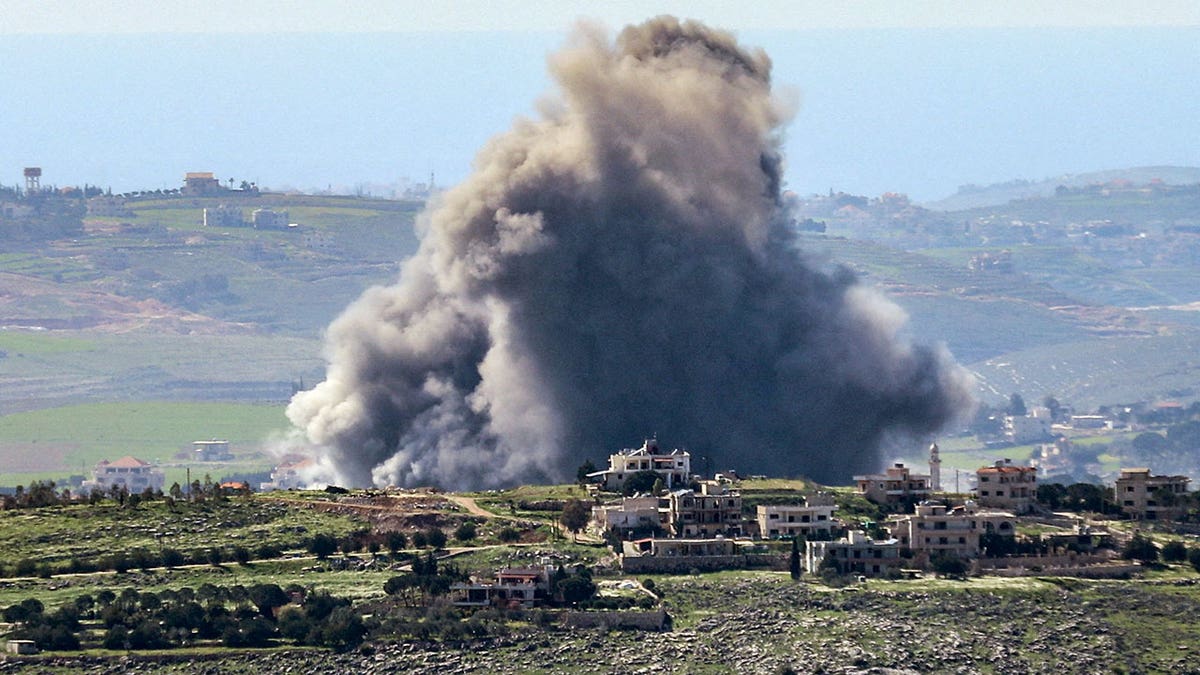
This military action happened while President Donald Trump was publicly pushing for a cessation of hostilities. Trump wrote on social media that there should be no more Israeli attacks in Lebanon and no more attacks from Hezbollah against Israel. He indicated that a deal to end the war between the U.S. and Iran could have been signed as early as June 14.
While Trump attempted to pressure Netanyahu to halt heavy strikes in anticipation of the agreement, the Prime Minister’s office ignored the request, prioritizing tactical responses to border incursions over the diplomatic timeline.
What are the immediate consequences of the Dahiyeh airstrike?
Iran has threatened military retaliation following the attack on Lebanon. The Israeli military reported it is currently preparing for possible retaliatory strikes within a short window of time.
On the ground, the human cost is evident. An AP photojournalist reported that a five-story residential building, which housed shops on the ground floor, was struck by a bomb. The lower two floors suffered the most severe damage. Residents in the southern part of the city, many of whom had only recently returned to their homes, were forced to evacuate quickly.
Comparing Diplomatic Goals vs. Military Reality
The current situation highlights a sharp contrast between the White House’s diplomatic strategy and Israel’s security operations:

- The U.S. Position: President Trump views a comprehensive agreement with Iran as the primary vehicle to end the regional conflict.
- The Israeli Position: The Netanyahu administration views immediate threats from Hezbollah as a priority that outweighs the timing of a diplomatic deal.
How does this impact the proposed U.S.-Iran agreement?
The strikes likely complicate the path toward a signed agreement. According to AP, these actions make efforts to finalize a deal between the U.S. and Iran more difficult.
The conflict follows a pattern where proxy tensions in Lebanon influence direct negotiations between Tehran and Washington. When Israel strikes Hezbollah—a group heavily supported by Iran—it often forces Iran to respond to maintain its regional credibility, regardless of the status of diplomatic talks.
Frequently Asked Questions
Who was affected by the June 14 airstrikes?
The Lebanese Civil Defense reported three deaths and six injuries. A five-story building in Dahiyeh was hit, causing widespread evacuations of local residents.
What was the U.S. response to the attacks?
President Donald Trump called for an immediate end to attacks from both Israel and Hezbollah, citing a potential peace agreement with Iran.
Why did Israel carry out the strike?
The Prime Minister’s office stated the strike was a reaction to Hezbollah’s attacks on northern Israel.
Want to stay updated on global security trends?
Join the conversation in the comments below or subscribe to our newsletter for real-time analysis of international conflicts.