

Israel vil trolig undergrave fredsavtalen med Iran
US intelligence agencies have warned the Trump administration that Israeli Prime Minister Benjamin Netanyahu will likely undermine efforts to reach a lasting peace deal with Iran. According to reports from the Washington Post, Netanyahu’s political survival is tied to demonstrating to voters that he will not withdraw troops from Lebanon ahead of elections in October.
Why is Netanyahu resisting a peace deal with Iran?
US intelligence reports indicate that Prime Minister Benjamin Netanyahu’s political standing depends on his refusal to pull soldiers out of Lebanon. This stance directly contradicts the primary terms of a proposed peace agreement between the US and Iran, which requires a full stop to the fighting in Lebanon as a first step.
The tension comes as Israel prepares for elections in October. According to the Washington Post, the intelligence community believes Netanyahu views the military presence in Lebanon as a necessity for his domestic political survival.
How did the recent ceasefire with Hezbollah collapse?
A reported ceasefire between Israel and Hezbollah on Friday collapsed almost immediately. Reuters reported that while a truce was announced at 3:00 PM Norwegian time, Israel launched airstrikes in southern Lebanon shortly after.
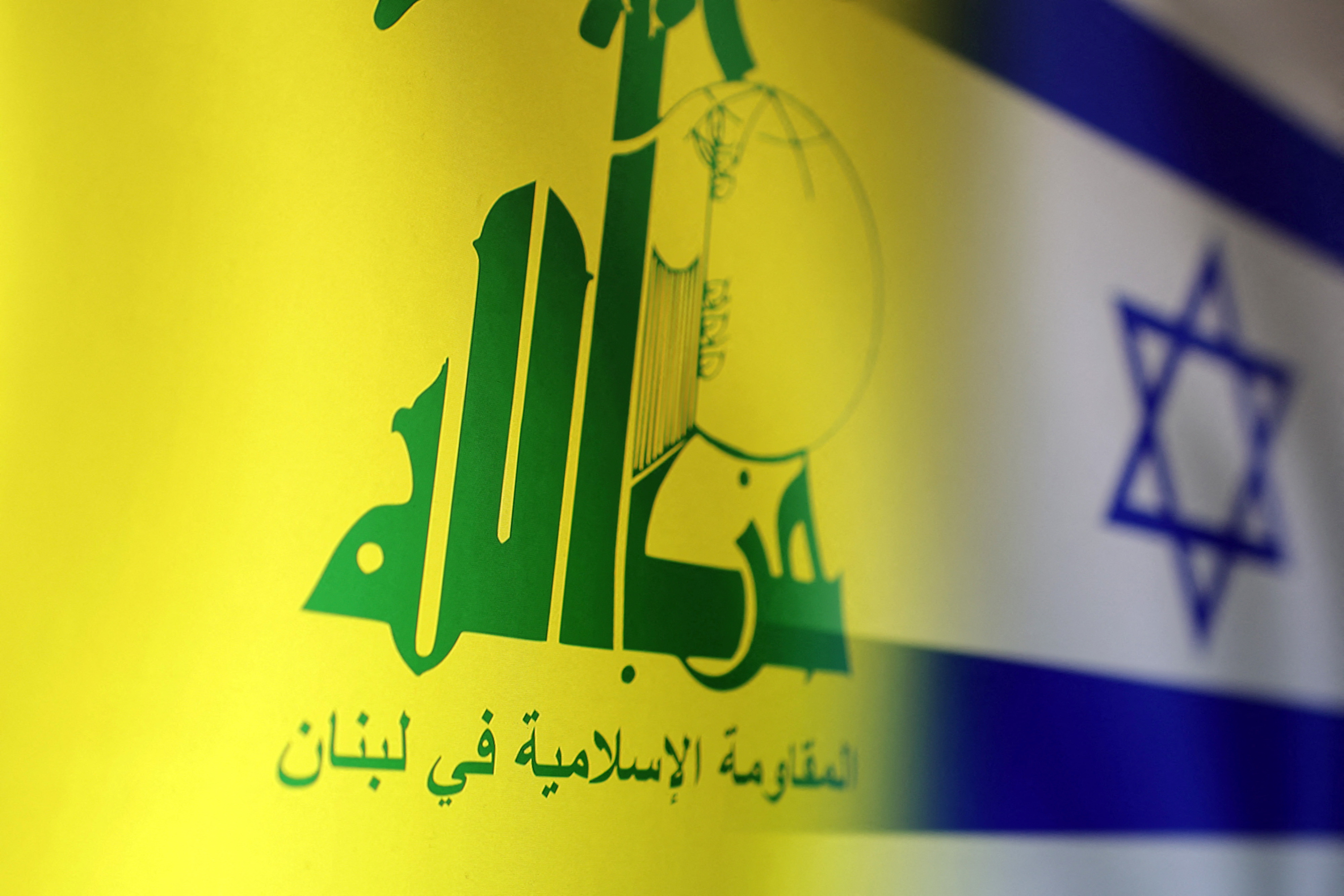
Lebanese security sources told Reuters that Israel carried out 12 attacks within the first 45 minutes of the ceasefire, killing two people via drone strikes. The Israeli military later confirmed it targeted more than 150 Hezbollah positions during the night and Friday morning.
The Israeli military justified the strikes by stating Hezbollah had fired rockets at Israeli soldiers in southern Lebanon, killing four people, including a battalion commander. An unnamed high-ranking Israeli source told Reuters that Israel considers itself in “wartime” as long as Hezbollah attacks and will not withdraw from occupied areas in southern Lebanon.
Comparing the failure of recent truces
This latest collapse follows a pattern of failed agreements. A previous ceasefire announced on April 17 also failed, leading to a significant escalation in violence. According to Lebanese authorities, the aftermath of that failed truce included:
- Nearly 3,500 Israeli attacks on Lebanon.
- Over 3,500 deaths and 10,000 injuries.
- The displacement of roughly 1.2 million people in southern Lebanon.
What are the diplomatic tensions between the US and Israel?
Vice President J.D. Vance issued a direct warning to the Israeli government on Thursday. Speaking to reporters at the White House, Vance claimed that Donald J. Trump is the only world leader currently sympathetic to Israel.

“If I was in the Israeli government, I would not challenge the only powerful ally I have left,” Vance said, emphasizing that Trump leads the world’s sole superpower.
The friction is further exacerbated by rhetoric from within the Israeli cabinet. Security Minister Itamar Ben-Gvir posted on X that “whole Lebanon must burn,” stating that for every tear an Israeli mother sheds, a thousand Lebanese mothers must cry. This post signaled a clear rejection of the US-led intention to establish a ceasefire.
How do regional leaders react to the escalation?
International reactions to the rhetoric and the failed ceasefire have been severe. Norway’s Foreign Minister, Espen Barth Eide, described Itamar Ben-Gvir’s comments as “completely unacceptable.”
Iranian Foreign Minister Abbas Araghchi accused the Israeli government of being a “death cult” that seeks permanent war. Araghchi stated that Ben-Gvir’s comments weren’t just “outbursts from a random genocidal maniac” but represented the public position of the Israeli regime, which he called a “threat to all humanity.”
Despite these tensions, the US State Department announced that the next round of talks between Lebanon and Israel is scheduled to take place in Washington from June 23 to June 25.
Frequently Asked Questions
Will Israel withdraw from southern Lebanon?
Prime Minister Benjamin Netanyahu has repeatedly stated that withdrawing troops from Lebanon is unacceptable. US intelligence reports cited by the Washington Post suggest this position is tied to his political survival.
What is the current casualty count in Lebanon?
According to Lebanon’s health department, at least 47 people were killed and 97 wounded in Israeli attacks immediately preceding the most recent ceasefire attempt.
Who is mediating the peace talks?
The United States is acting as the primary mediator between Israel and the Lebanese government, with upcoming talks scheduled in Washington.
What do you think about the US’s role in mediating this conflict? Share your thoughts in the comments below or subscribe to our newsletter for real-time updates on Middle East diplomacy.