
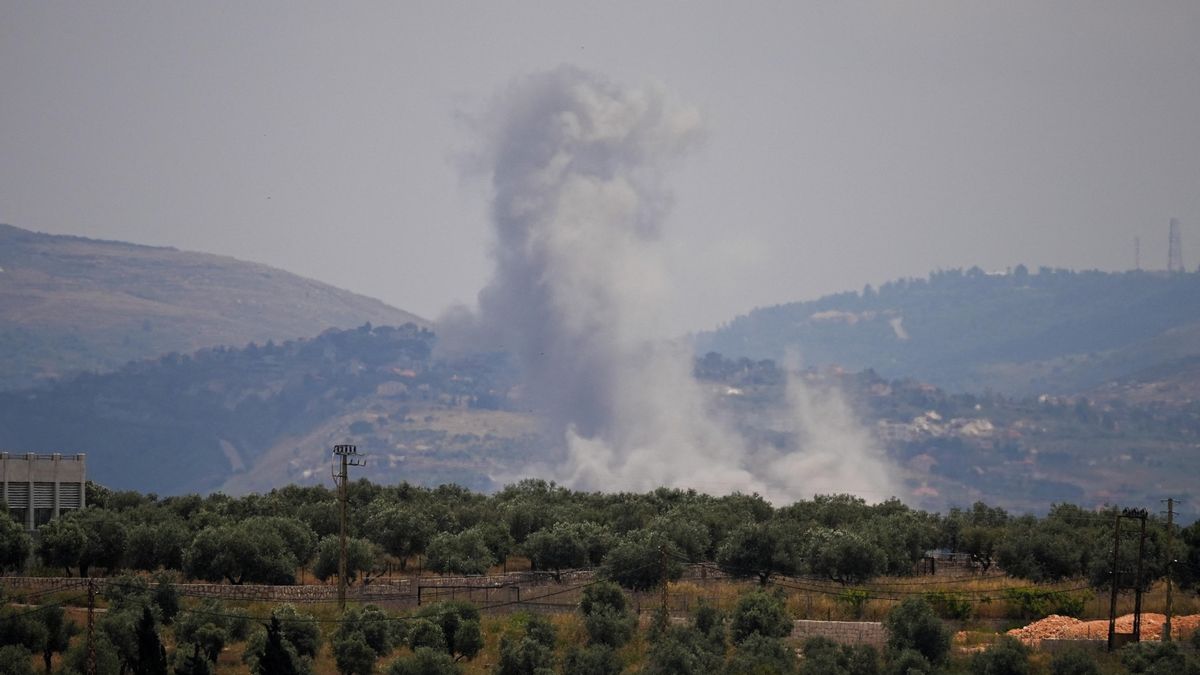
Israeli Forces Advance Into Southern Lebanon Amid Escalating Hezbollah Conflict
Beyond the Yellow Line: The Future of the Israel-Hezbollah Conflict
The security landscape of the Levant is shifting. Recent military movements across the Litani River and the establishment of what is being called the “yellow line” signal a fundamental change in how Israel is approaching its northern border. We are no longer seeing simple border skirmishes; we are witnessing the blueprint for a new kind of territorial management in asymmetric warfare.
For those following the geopolitical tremors in the Middle East, the current escalation isn’t just about immediate strikes—it’s about the long-term strategy of “security depth.” By pushing Hezbollah forces away from the border, the goal is to create a physical and psychological barrier against the increasing threat of drone technology and rocket fire.
The Rise of the “Buffer Zone” Strategy
The implementation of the “yellow line” mirrors strategies used in other high-conflict zones, including the Gaza Strip. This approach involves marking a controlled territory where the military can operate freely to neutralize threats before they reach civilian population centers.
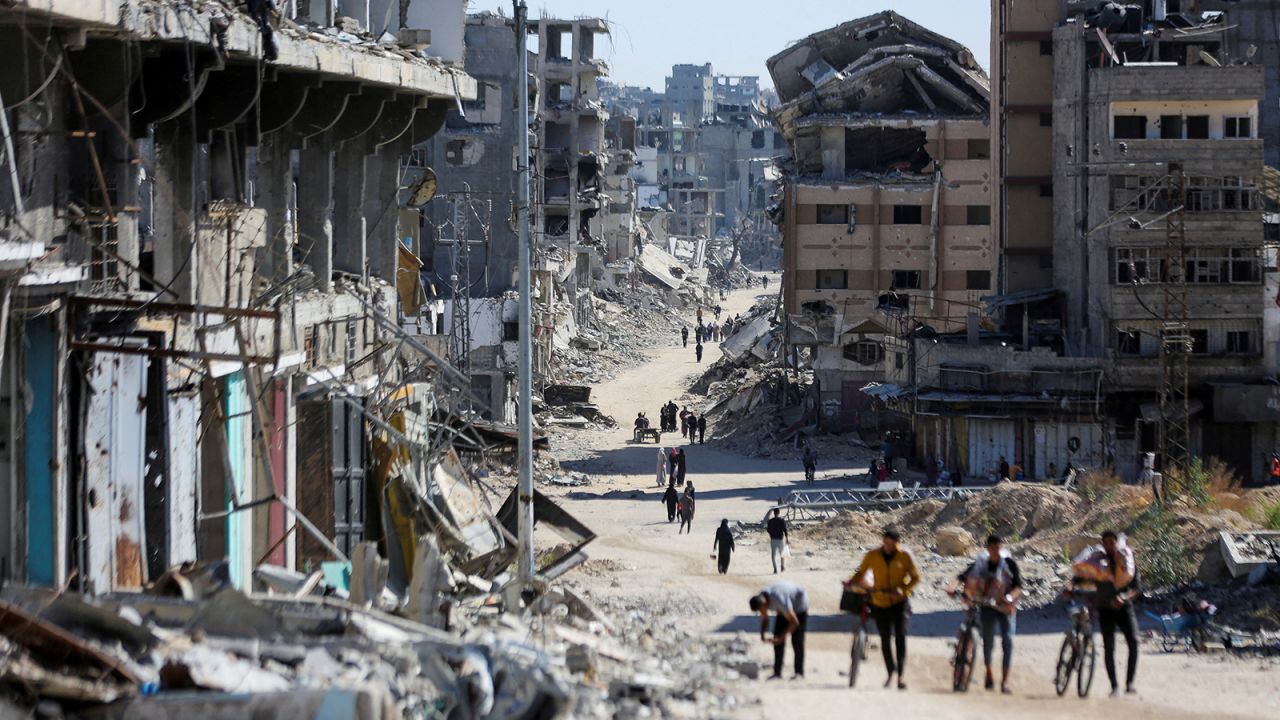
Looking forward, this trend suggests a move toward more permanent “security corridors.” If Israel continues to seize strategic heights, such as the Beaufort Ridge, One can expect a prolonged military presence designed to dismantle Hezbollah’s launch infrastructure. However, history warns us that prolonged occupations can often serve as a recruitment tool for paramilitary groups, potentially reenergizing the very forces they aim to suppress.
According to reports from the Council on Foreign Relations, the displacement of tens of thousands of civilians in southern Lebanon creates a vacuum that complicates both military operations and future diplomatic returns.
Asymmetric Evolution: The Drone Dilemma
One of the most critical drivers of current military movements is the proliferation of FPV (First-Person View) drones. These low-cost, high-impact weapons have fundamentally changed the math of border security. Traditional fortifications are less effective against a swarm of drones that can strike precise targets with surgical accuracy.
Future trends indicate a “tech race” in the border regions. We should expect to see:
- AI-Driven Counter-Drone Systems: Implementation of automated jamming and kinetic interception layers.
- Electronic Warfare (EW) Hubs: The creation of “dead zones” where signal interference makes drone piloting impossible.
- Increased Reliance on Intelligence: A shift toward predictive AI to identify launch sites before a drone even takes flight.
The struggle to counter these drones is why we see Israeli forces pushing deeper into Lebanese territory—the only way to stop a drone is to control the ground from which it is launched.
The Fragility of Diplomatic Ceasefires
We are seeing a recurring pattern: a US-brokered ceasefire is reached, followed by a period of “nominal peace,” which eventually collapses into a larger escalation. This suggests that traditional diplomacy is struggling to keep pace with the realities on the ground.

The upcoming peace talks in Washington represent a critical juncture. However, for any agreement to hold, it must address the “security gap”—the difference between what diplomacy promises and what the military can actually enforce. Without a credible mechanism to ensure Hezbollah’s withdrawal from the border, ceasefires will likely remain temporary pauses rather than permanent solutions.
For more on the historical context of these tensions, you can explore the comprehensive history of the Israeli-Lebanese conflict.
Frequently Asked Questions (FAQ)
The yellow line is a demarcated security zone established by the Israeli military to control territory in southern Lebanon and prevent Hezbollah from launching attacks into northern Israel.
The Litani River is a strategic geographic boundary. Controlling or monitoring the area north of the river is seen as essential for preventing the movement of weapons and militants toward the Israeli border.
FPV drones allow Hezbollah to strike targets with high precision and low cost, forcing the Israeli military to expand its ground operations to destroy launch sites and command centers.
While a buffer zone provides immediate tactical security, some experts argue it could lead to a prolonged insurgency or “reenergize” militant groups by creating a sense of foreign occupation.
What do you think? Can a physical buffer zone truly bring stability to the region, or does it only delay an inevitable larger conflict? Share your thoughts in the comments below or subscribe to our newsletter for deep-dive geopolitical analysis.