
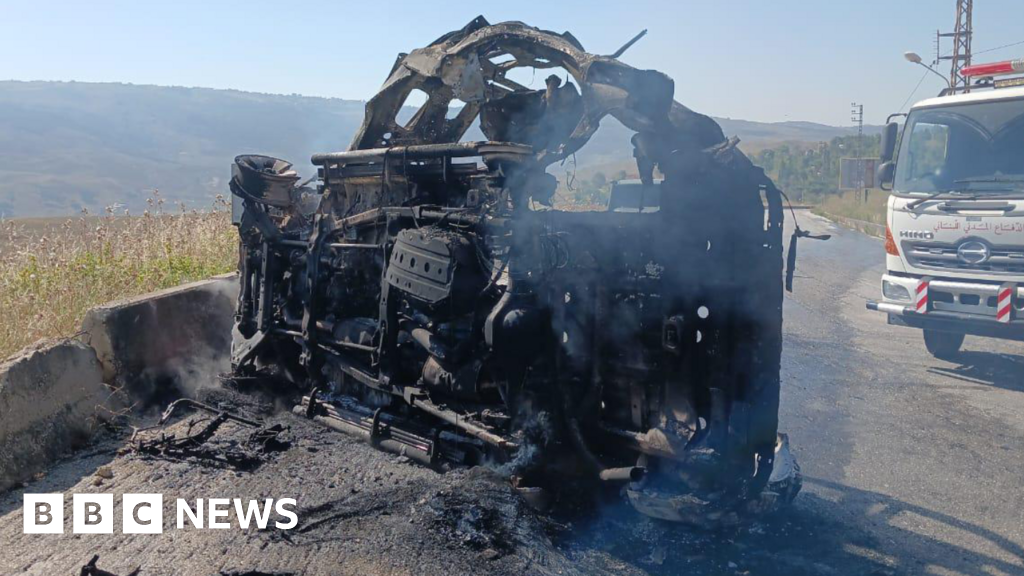
Israeli Military Investigates South Lebanon Incident Amid Hezbollah Conflict
The Israeli military (IDF) is investigating operational incidents in south Lebanon, a process reflecting the high-stakes nature of its conflict with Hezbollah. These investigations typically focus on friendly fire or civilian casualties, aiming to maintain operational legitimacy under international law while battling a decentralized guerrilla force in dense terrain.
Military investigations during active combat aren’t just about paperwork. They’re about survival and strategy. When the IDF probes an incident in south Lebanon, it’s often reacting to the chaotic reality of asymmetric warfare. Hezbollah doesn’t fight like a traditional army; they use “nature reserves” (hidden bunkers) and civilian infrastructure, which complicates every strike and every ground movement.
Why do IDF investigations in south Lebanon matter for the broader conflict?
These probes serve as a critical feedback loop for military command. According to reporting from Reuters, the IDF utilizes a formal mechanism to review operational failures. This is vital because errors in south Lebanon don’t just cost lives—they risk triggering a wider regional war involving Iran.
If a strike hits a non-combatant target or a friendly unit, the investigation determines if the failure was intelligence-based or a breakdown in communication. In a conflict where Hezbollah utilizes sophisticated anti-tank guided missiles (ATGMs), a single tactical error can lead to a cascade of losses. By auditing these incidents, the IDF attempts to refine its “target bank” and reduce the friction of war.
This process also acts as a diplomatic shield. By investigating itself, Israel attempts to preempt accusations of war crimes from international bodies. It’s a calculated move to maintain the support of Western allies, particularly the United States, which provides the munitions necessary for these operations.
How does Hezbollah’s asymmetric strategy force changes in Israeli military tactics?
Hezbollah has spent decades preparing for a ground invasion. They’ve built a subterranean city of tunnels and reinforced bunkers. This forces the IDF to shift from traditional “combined arms” maneuvers to a more cautious, intelligence-led approach. The military can’t simply roll tanks into a village; they have to clear every basement and tunnel entrance.
We’re seeing a trend toward “micro-targeting.” Instead of leveling blocks, there’s an increasing reliance on precision-guided munitions and drone surveillance. However, as noted by analysts at the Institute for the Study of War, this precision is often undermined by Hezbollah’s use of human shields and civilian camouflage.
Operational Contrast: IDF vs. Hezbollah
| Feature | IDF Approach | Hezbollah Approach |
|---|---|---|
| Accountability | Formal internal investigations; public reports. | Opaque; internal loyalty-based reviews. |
| Infrastructure | Heavy armor and air superiority. | Hidden tunnels and civilian blending. |
| Goal | Degrade capabilities and secure borders. | Attrition and political leverage. |
What happens when military accountability meets the pressures of active warfare?
There’s a natural tension between the need for speed and the need for accuracy. In the heat of battle, commanders make split-second decisions. When an investigation happens after the fact, it often reveals a “fog of war” gap—where the information the commander had at the time didn’t match the reality on the ground.
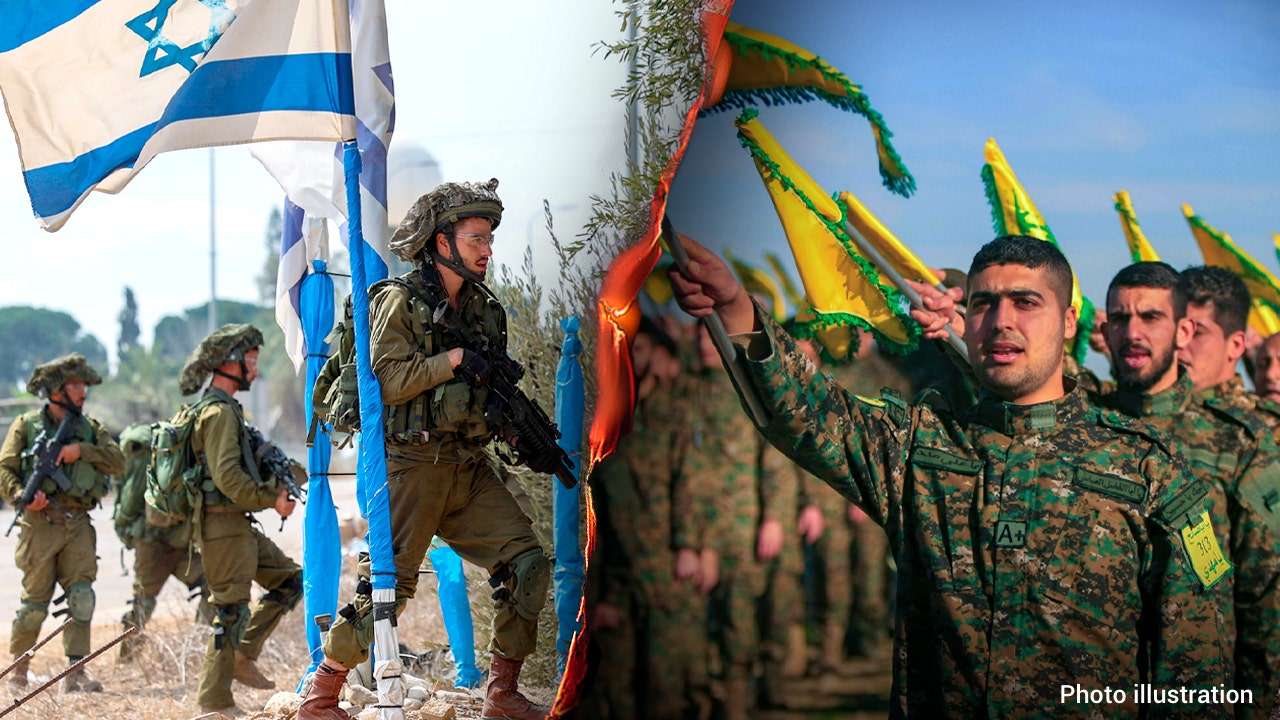
This creates a psychological burden on soldiers. If the investigation leads to disciplinary action, it can affect morale. Conversely, if the probes are seen as “whitewashes,” it erodes trust within the ranks. This mirrors a precedent seen in previous conflicts in Gaza, where the balance between operational necessity and legal accountability remained a point of fierce internal debate.
The consequence of these investigations often manifests in updated “Rules of Engagement” (ROE). If a probe finds that a specific type of drone strike is causing too much collateral damage, the ROE are tightened. This slow evolution of tactics is the only way a conventional army can adapt to a guerrilla insurgency.
Will the “Blue Line” ever return to a state of stability?
Stability depends on more than just a ceasefire. It requires a credible deterrent. The current trend suggests that the “buffer zone” concept is returning. Israel wants a south Lebanon that is devoid of Hezbollah infrastructure, while Hezbollah seeks to maintain its presence as a leverage tool against Israel.

The role of UNIFIL (United Nations Interim Force in Lebanon) is increasingly precarious. According to official UN reports, UNIFIL often lacks the mandate or the hardware to actually stop Hezbollah from arming the south. Without a stronger enforcement mechanism, the Blue Line remains a line on a map rather than a physical barrier to war.
Looking forward, the integration of AI-driven surveillance will likely dominate. We’ll see more autonomous sensors and AI-analyzed satellite imagery to detect tunnel digging in real-time. The war is shifting from a battle of manpower to a battle of algorithms.
Frequently Asked Questions
What is the purpose of an IDF investigation in a combat zone?
To identify tactical errors, prevent friendly fire, and ensure compliance with international law to maintain diplomatic support.
How does Hezbollah avoid Israeli detection?
By utilizing deep underground bunkers, blending into civilian populations, and using low-tech communication methods that bypass electronic surveillance.
Why is the Blue Line significant?
It serves as the unofficial border between Israel and Lebanon. Any crossing of this line is viewed as a violation of sovereignty and a potential act of war.
Stay Ahead of the Curve
Geopolitical shifts happen fast. Want deep-dive analyses on the Middle East and global security trends delivered to your inbox?
Or join the conversation in the comments below: Do you think military investigations actually change the outcome of asymmetric wars?