
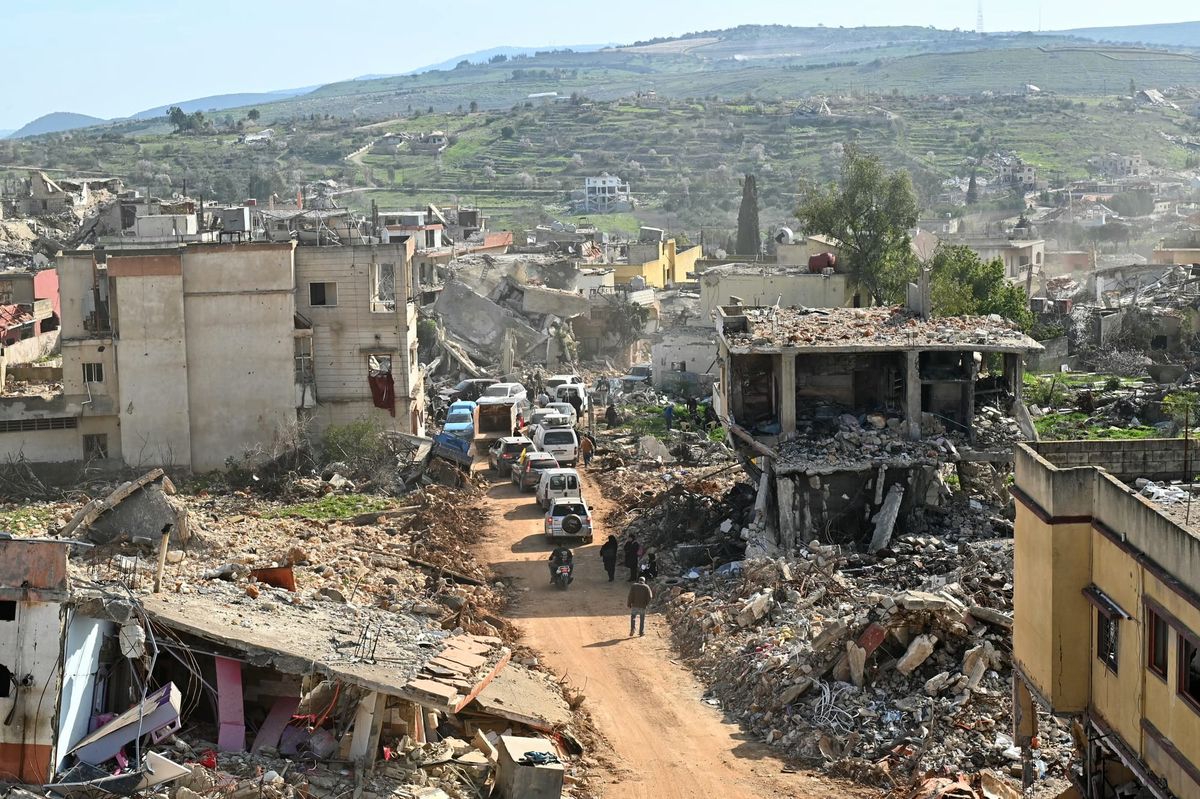
Israel’s Ongoing War in South Lebanon: The Human Impact of Aggression
The Buffer Zone Doctrine: How Regional Conflicts Are Reshaping Lebanon’s South
The geopolitical landscape of the Middle East is undergoing a tectonic shift. As tensions between Iran, Israel, and regional proxies escalate, the southern reaches of Lebanon have become the epicenter of a new, grim doctrine: the forced creation of “buffer zones.” For those watching from afar, it may appear as a sudden flare-up, but for residents living south of the Litani River, this is the continuation of a long-standing struggle for survival.
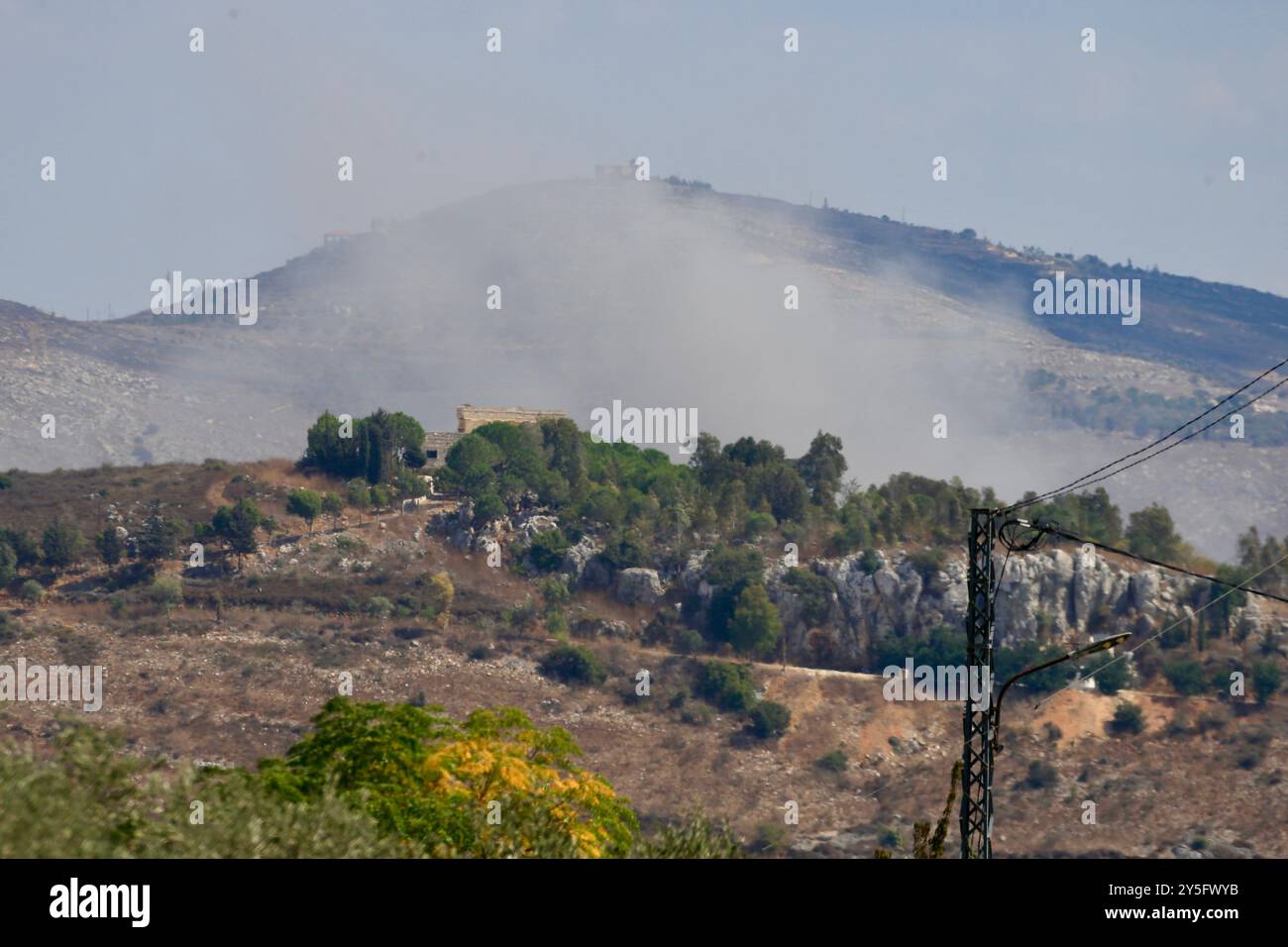
The strategic objective—to clear border infrastructure and prevent the return of displaced populations—mirrors tactics seen elsewhere in the region. As defense planners prioritize territorial control over humanitarian stability, the human cost is becoming increasingly difficult to quantify.
The concept of a “buffer zone” in international conflict is often used to neutralize security threats, but it frequently results in long-term demographic displacement, making the eventual reconstruction of civilian infrastructure significantly more complex.
The Human Cost of “De Facto” Occupation
Behind the military maps and strategic briefings lie the lived experiences of thousands of families. Recent reports, such as those detailed in “Our Compass is Broken,” highlight the reality on the ground: villages transformed into ghost towns, homes vandalized, and an entire population left in a state of indefinite displacement.
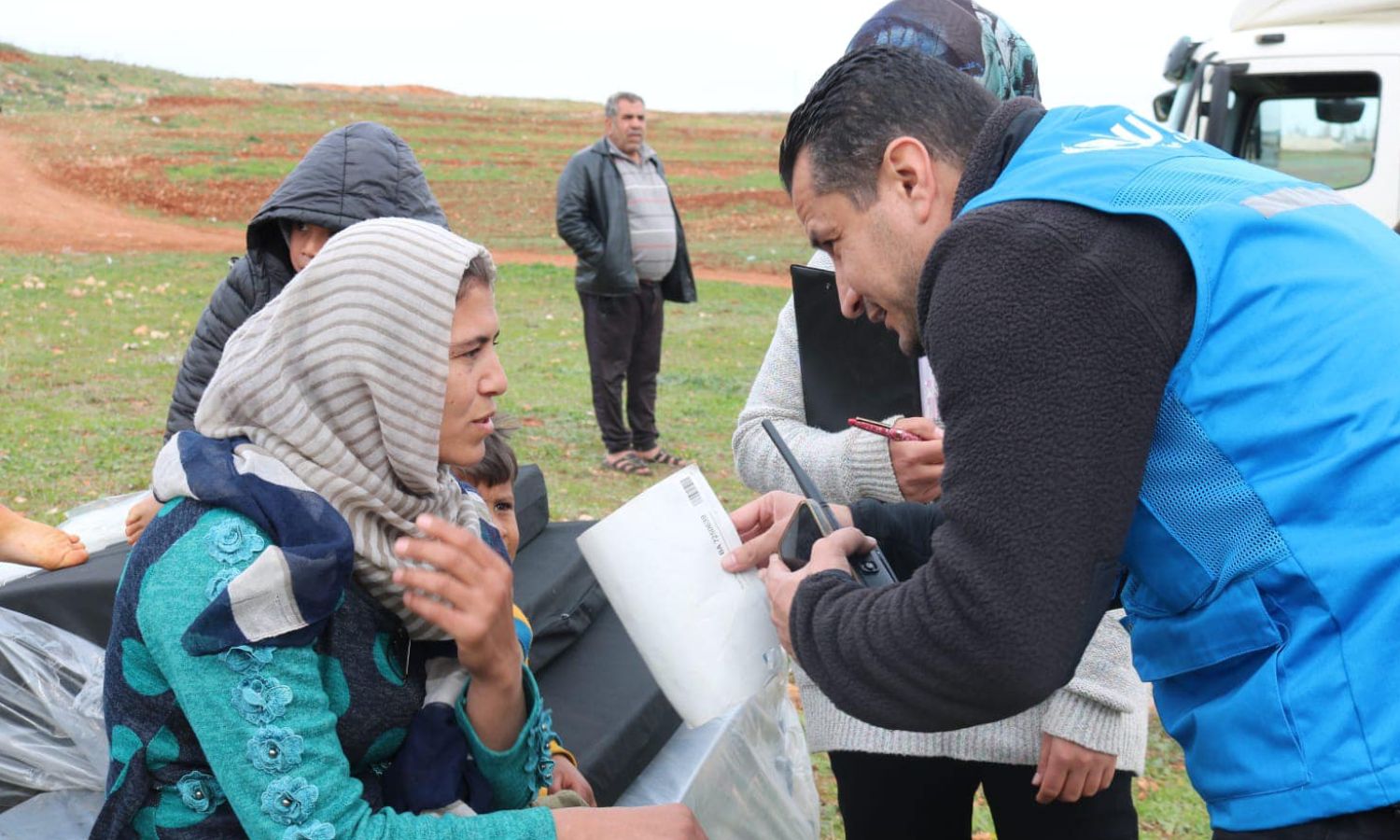
When the state apparatus—specifically the national army—is unable or unwilling to provide security, the burden of survival falls on local communities. This creates a vacuum where civilians are not just witnesses to history, but the primary casualties of a war that lacks a clear exit strategy.
Future Trends: Strategic Realignment in the Levant
Looking ahead, several key trends are likely to define the security architecture of the region:
- Permanent Militarization: The shift from temporary incursions to long-term “buffer” maintenance suggests that border regions will remain high-risk zones for the foreseeable future.
- Infrastructure Destruction as Deterrence: We are seeing a move toward the systematic destruction of civilian infrastructure to prevent the return of residents, a tactic that complicates post-conflict recovery.
- Regional Proxy Dynamics: As long as broader regional tensions remain high, Lebanon’s south will likely remain a theatre for larger power struggles, limiting the agency of local stakeholders.
To better understand the historical context of these events, explore the MERIP primer on Lebanon. Understanding the long-term history of resistance is essential to grasping why current events are unfolding as they are.
Frequently Asked Questions
- What is the strategic purpose of a buffer zone?
- A buffer zone is intended to create a physical distance between a state’s territory and opposing forces, theoretically reducing the effectiveness of short-range attacks and providing early warning capabilities.
- How does this impact civilian return?
- The destruction of homes, utilities, and agricultural infrastructure makes it nearly impossible for displaced residents to return, effectively leading to permanent demographic shifts.
- Why is the Lebanese Army often absent in these areas?
- The Lebanese state faces significant political and economic constraints, which often limit the military’s capacity to deploy or engage in contested border regions.
Stay Informed: The Importance of Independent Reporting
In an era of rapid-fire news cycles, the stories of those on the ground often get lost in the noise of grand strategy. Deep dives into the political dynamics of the region—such as those found in the MERIP Podcast—are vital for understanding the nuances of these conflicts.
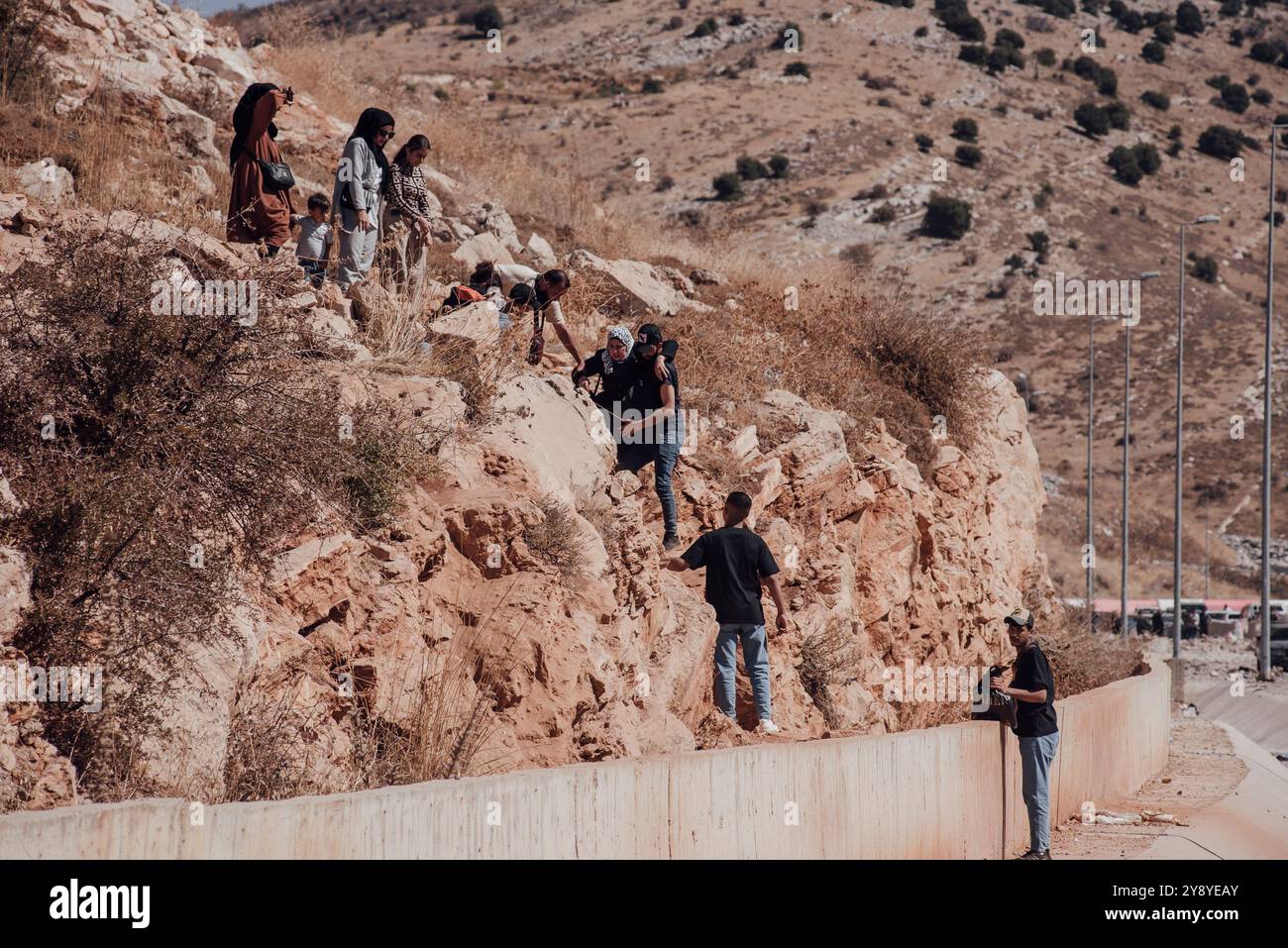
If you value independent, rigorous analysis of the Middle East, consider supporting our mission. Your contributions allow us to document the underreported and the overlooked. Donate today to help us continue providing the context that matters.
What do you think is the most overlooked aspect of the current situation in South Lebanon? Share your thoughts in the comments below or join the conversation on our social media channels.