
Italy Showcases Biotech Excellence at BIO International Convention 2026
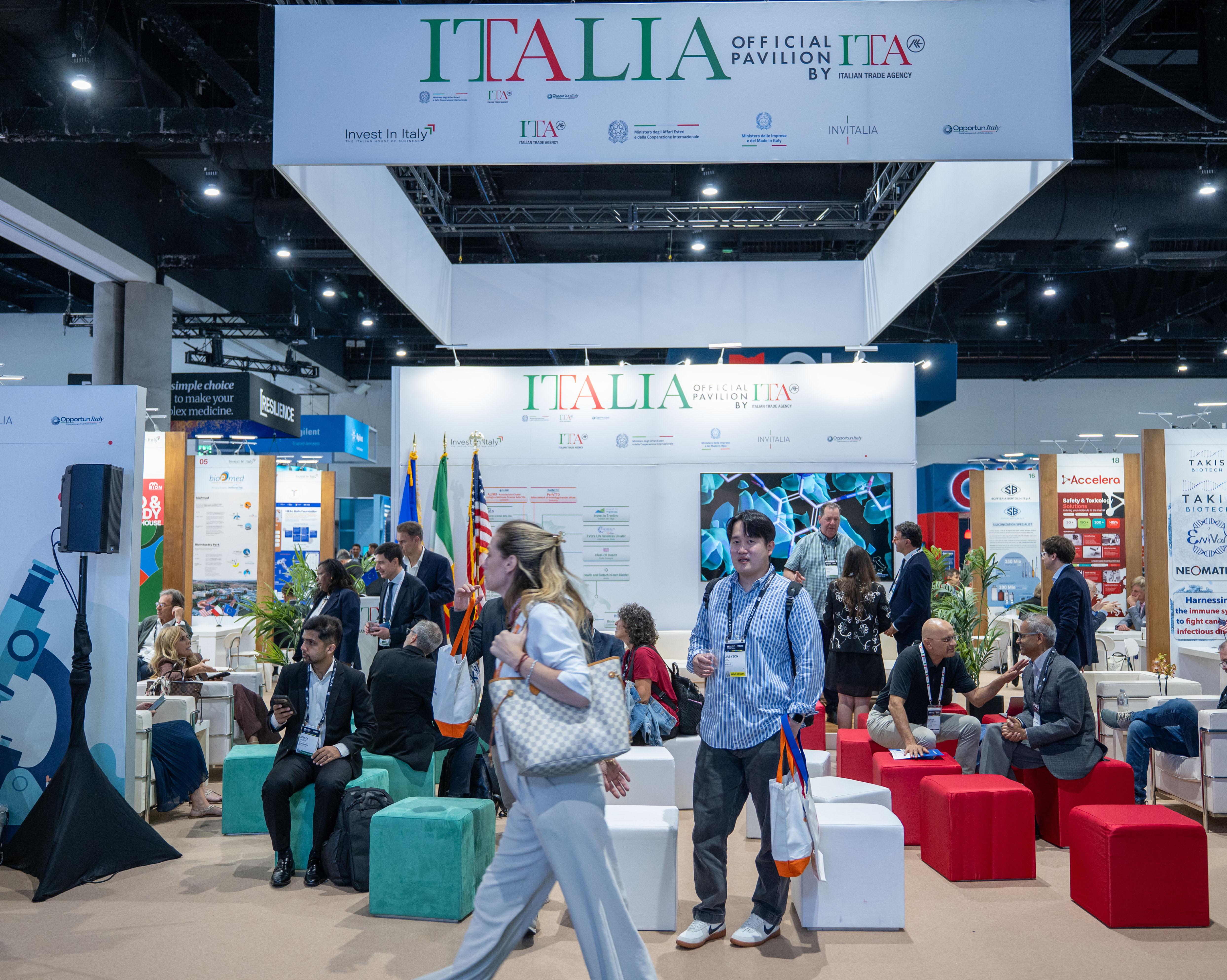
Italy is showcasing its life sciences and biotechnology sector at the BIO International Convention 2026 in San Diego, highlighting an industry that contributes over 10% to the nation’s GDP. The delegation, coordinated by the Italian Trade Agency (ICE) alongside the Ministry of Foreign Affairs and the Ministry of Enterprises and Made in Italy, aims to strengthen commercial ties with the U.S. through June 25.
The Italian Biotech Presence
The Italian national pavilion features a diverse array of organizations, ranging from Contract Research Organizations (CROs) and Contract Development and Manufacturing Organizations (CDMOs) to specialized biotech firms. According to the organizing agencies, the exhibit emphasizes technical expertise in drug discovery, organ-on-a-chip technology, and artificial intelligence-driven decision-making systems.

Participating companies include Accelera, BiomimX, Butterfly Decisions, Euromed Pharma, Fondazione Ri.MED, InSilicoTrials, IRBM, Masotti Cassella, Menarini Biotech, Regulatory Pharma Net, Società Italiana Brevetti, Soffieria Bertolini, and Takis. These firms are joined by regional clusters such as the Life Sciences Cluster Friuli-Venezia Giulia, Invest in Lombardy, and Bioindustry Park Silvano Fumero, which provide support for startups and international investment.
Italy holds a leading position in the European Union for pharmaceutical CDMO manufacturing, accounting for 24% of the total, and ranks second globally in patent productivity according to data from the European Patent Office.
Economic Significance and Trade Relations
The life sciences sector represents a critical component of Italy’s international trade strategy. Official data shows that exports in this segment grew by 60% over the last five years, reaching 52 billion euros annually. The United States remains the primary market for Italian pharmaceuticals, with exports reaching 15.7 billion euros in 2025, a 54% increase over the previous year.
Biotech exports to the U.S. totaled 3.2 billion euros, making the sector the largest component of Italian high-tech exports to the American market at 36.8%. This participation is part of the “OpportunItaly” program, an initiative designed to connect international buyers and distributors with Italian industrial expertise through a dedicated digital platform.
Samantha Carter notes that the heavy reliance on the U.S. as a destination market for Italian high-tech exports underscores the strategic necessity of events like the BIO International Convention. By focusing on both manufacturing capacity and high-end research, Italy is attempting to shift from a traditional manufacturing partner to an integrated innovation hub for global biotech players.
Future Outlook and Commercial Integration
As the convention continues through June 25, the focus remains on fostering long-term partnerships between Italian research institutions and international investors. The integration of the Montalcini Global Biotech Tour and the Day of Italian Research in the World suggests a long-term strategy to align the Italian biotech ecosystem with U.S. innovation hubs.
Analysts may expect that the formalization of these connections will likely lead to increased collaborative clinical trials and shared intellectual property ventures. The success of this mission could serve as a baseline for future efforts to increase Italy’s share of the global biotech market, particularly in the fields of gene therapy and personalized medicine.
Frequently Asked Questions
What is the primary goal of the Italian delegation at BIO 2026?
The delegation aims to showcase Italian expertise in biotechnology and life sciences, facilitate business connections for Italian companies, and attract international investment through the “OpportunItaly” program.
How significant is the life sciences sector to the Italian economy?
The sector accounts for over 10% of Italy’s national GDP, with exports reaching 52 billion euros annually.
What specific technologies are being highlighted at the Italian pavilion?
The pavilion features advancements in preclinical research, organ-on-a-chip models, digital twin simulations, AI-assisted decision-making, and specialized services for clinical trials and intellectual property protection.
How do you view the potential for future cross-border biotech partnerships between Italy and the U.S.?