
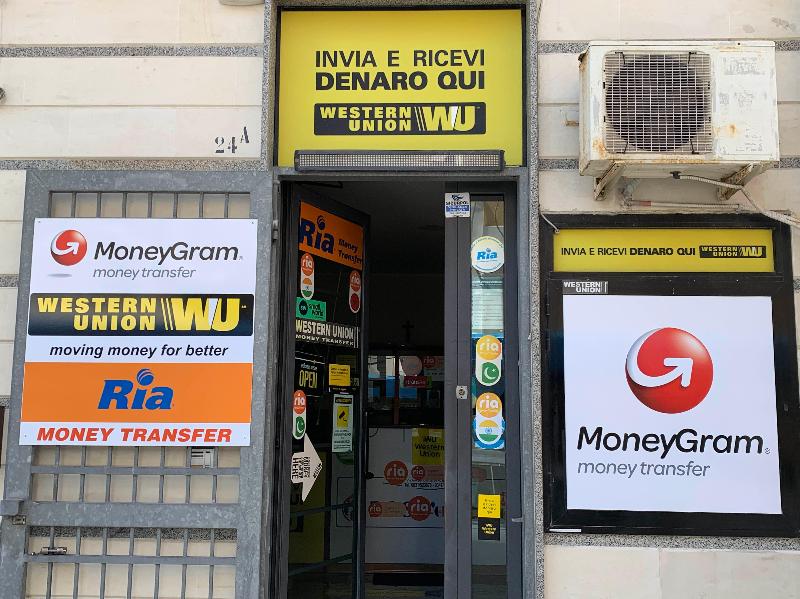
Italy’s Migrant Remittances Hit Record High Amid Shift in Prato-China Flows
Remittances from Chinese immigrants in Prato to China dropped from €53 million in 2016 to €7,000 in 2025, according to a report by the Migranti e Banche association. This decline marks a shift toward formal banking and local investment, while Italy’s total national remittances reached a record €8.6 billion.
Why have remittances to China collapsed in Prato?
The contraction stems from a reclassification of financial flows and stricter regulatory oversight. Daniele Frigeri, director of Cespi, explains that previous statistics included commercial operations, such as import-export payments and merchandise purchases, which were incorrectly labeled as remittances.
Authorities subsequently required money transfer operators to distinguish between family support and business transactions. Frigeri notes that higher commissions for China-bound transfers and more rigorous controls also pushed these flows toward the formal banking system.
Additionally, the Chinese community in Italy is stabilizing. Frigeri observes that a growing portion of resources is now invested within Italy, reducing the need to send funds to families in the home country.
How does Tuscany’s remittance data compare to national trends?
Tuscany sent €667.7 million abroad in 2025, accounting for approximately 7.7% of the national total. This regional figure rose by €3.3 million compared to 2024, though it remains below the 2023 record of €673 million.
Florence is the region’s primary hub, transferring €247.3 million. Pisa follows with €87.9 million, and Prato ranks third with €56.8 million. While Florence, Pisa, Livorno, and Lucca saw growth, Prato, Siena, and Pistoia experienced contractions.
What is the new geography of money transfers in Italy?
Bangladesh has emerged as the leading destination for remittances both regionally and nationally. In Tuscany, Bangladesh received over €104.7 million, followed by Georgia with €91.3 million and Pakistan with €52.4 million.
Nationally, transfers to Bangladesh reached nearly €1.7 billion, representing about 20% of the total. India and Morocco followed with €594 million and over €579 million, respectively.
Specific provincial shifts are also evident. In Grosseto, transfers to Bangladesh quintupled over a decade, rising from €1.5 million to more than €7.5 million.
What may happen next for these financial corridors?
The trend toward banking digitalization could further erode the use of traditional money transfer shops for commercial purposes. If the Chinese community continues its economic rooting in Italy, remittance volumes to China may remain near zero.

The growing economic weight of the Bangladeshi community suggests that its financial corridor could continue to expand. This may lead to a further increase in the national share of funds flowing toward South Asia.
Frequently Asked Questions
What was the total amount of remittances sent from Italy in 2025?
Total remittances exceeded €8.6 billion, the highest level ever recorded, marking an increase of nearly €323 million over 2024.
Why are business payments no longer counted as remittances?
According to Daniele Frigeri, business operations are now primarily conducted via bank transfers and ordinary banking channels, which are subject to anti-money laundering rules and are not classified as remittances.
Which three countries receive the most remittances from Tuscany?
The primary beneficiaries are Bangladesh, Georgia, and Pakistan, which together receive nearly half of the region’s total outward flow.
Do you think the shift toward formal banking will increase the overall volume of international transfers?