
It’s painful to watch’: Kirstenbosch decline sparks concern
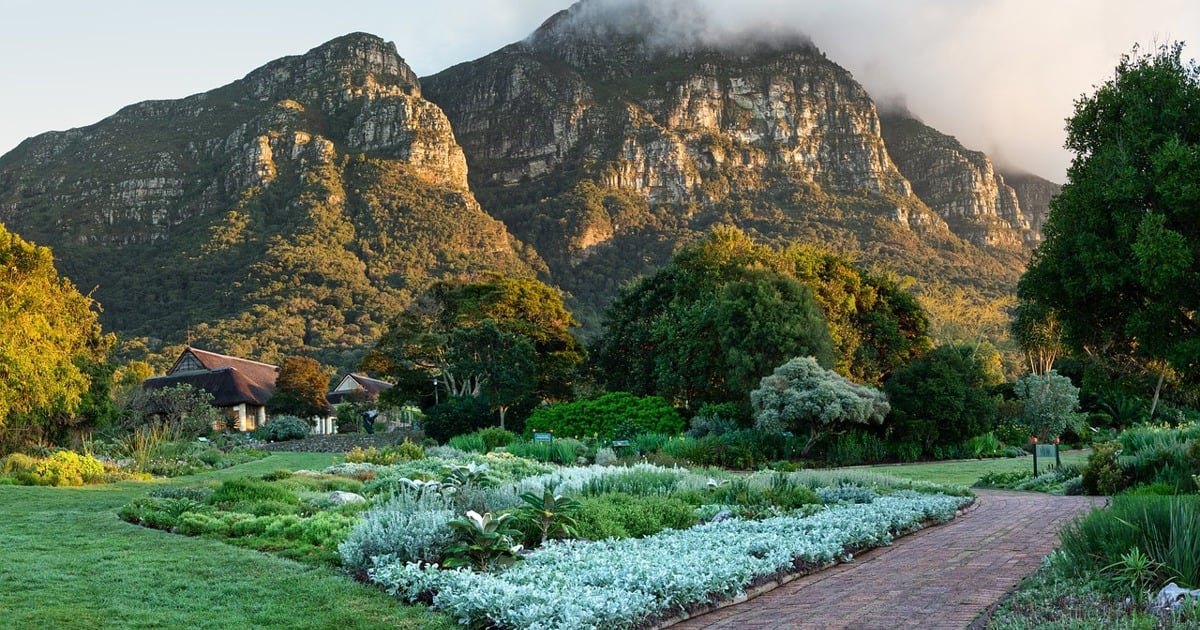
Kirstenbosch National Botanical Garden, a landmark long celebrated for its mountain views and iconic canopy walkway, is currently the subject of a growing public debate. While the garden remains a popular destination for families and tourists, concerns regarding its maintenance and botanical standards have reached a new level of visibility.
The conversation was reignited by a widely shared social media post from long-time supporter James Deacon. After observing changes at the site for years, Deacon stated he could no longer remain silent, noting, “I love the gardens so much. They’ve given me so much experience and memories over the years, and just to see them suffering the way they are at the moment, I just couldn’t keep silent.”
Concerns Over Botanical Integrity
Deacon argued that while the grounds may appear green to the casual observer, the deeper botanical value of the institution has diminished. He pointed to a decline in plant diversity, specifically citing a lack of rare species, proteas, and ericas. He highlighted practical maintenance issues, such as missing or incorrect signage, stating, “The garden can’t even make labels for its plants outside, to tell the public what the plant names are.”
Institutional Challenges and Leadership
The critique extends beyond day-to-day gardening to the structural operations of SANBI. Deacon attributed the perceived decline to procurement delays, staff shortages, and what he described as detached leadership. He claimed that horticultural staff often face obstacles in acquiring basic supplies like pots and soil, which hampers their ability to maintain the garden.

“There’s a procurement policy which doesn’t work in a situation like a garden constantly needing new supplies,” Deacon said. “It takes ages to get new pots, new soil, whatever, and that just makes it so difficult for the horticulturists to do their job.” He further suggested that the organization is experiencing structural warning signs similar to other struggling state entities, where high-level positions may be prioritized over essential ground staff and scientists.
Looking Ahead
The discussion regarding the state of the gardens is not a recent development, as reports indicate conversations about these standards have persisted for more than a year. Kirstenbosch curator Werner Voigt has previously acknowledged that the gardens had fallen short of expected standards.
the current public discourse could pressure leadership to address procurement and operational bottlenecks. Future developments may depend on whether the institution can reconcile its international acclaim with the concerns raised by local advocates who hope to see the garden restored to its former condition. Deacon emphasized that his goal is to see the gardens “functioning properly” and “flourish like they used to.”
Frequently Asked Questions
What are the primary concerns regarding the garden’s condition?
Critics point to a perceived decline in plant diversity, including fewer rare species, proteas, and ericas, as well as poor maintenance standards such as missing or incorrect plant labels.
Why does the critic believe the garden is struggling?
The decline is attributed to internal structural issues at SANBI, including procurement delays that prevent staff from accessing necessary supplies, staff shortages, and leadership that is perceived as detached from the daily needs of the garden.
Is this a new issue for Kirstenbosch?
No, the debate has been ongoing for more than a year, and Kirstenbosch curator Werner Voigt has previously acknowledged that the gardens had fallen short of expected standards.
What role do you believe public feedback should play in the management of national botanical institutions?